Washington is intensifying its economic strategy against Moscow, urging the Group of Seven (G7) nations to impose significant new tariffs on India and China. The primary objective of this proposed move is to curtail financial flows supporting Russia’s ongoing war in Ukraine and compel Moscow to enter peace negotiations. Finance ministers from the G7 – comprising Canada, France, Germany, Italy, Japan, the United Kingdom, and the United States – are slated to convene for a crucial video conference to deliberate on this American proposal.
The American Initiative: Escalating Economic Pressure
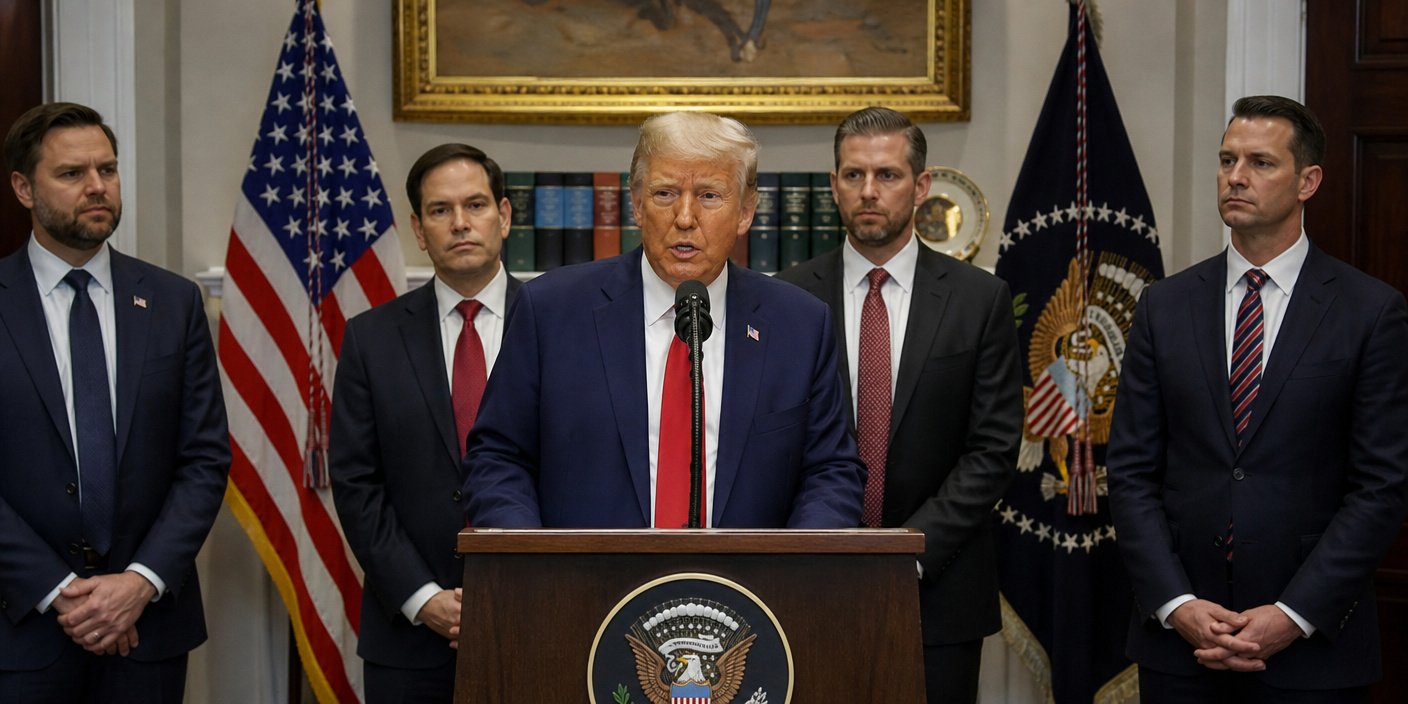
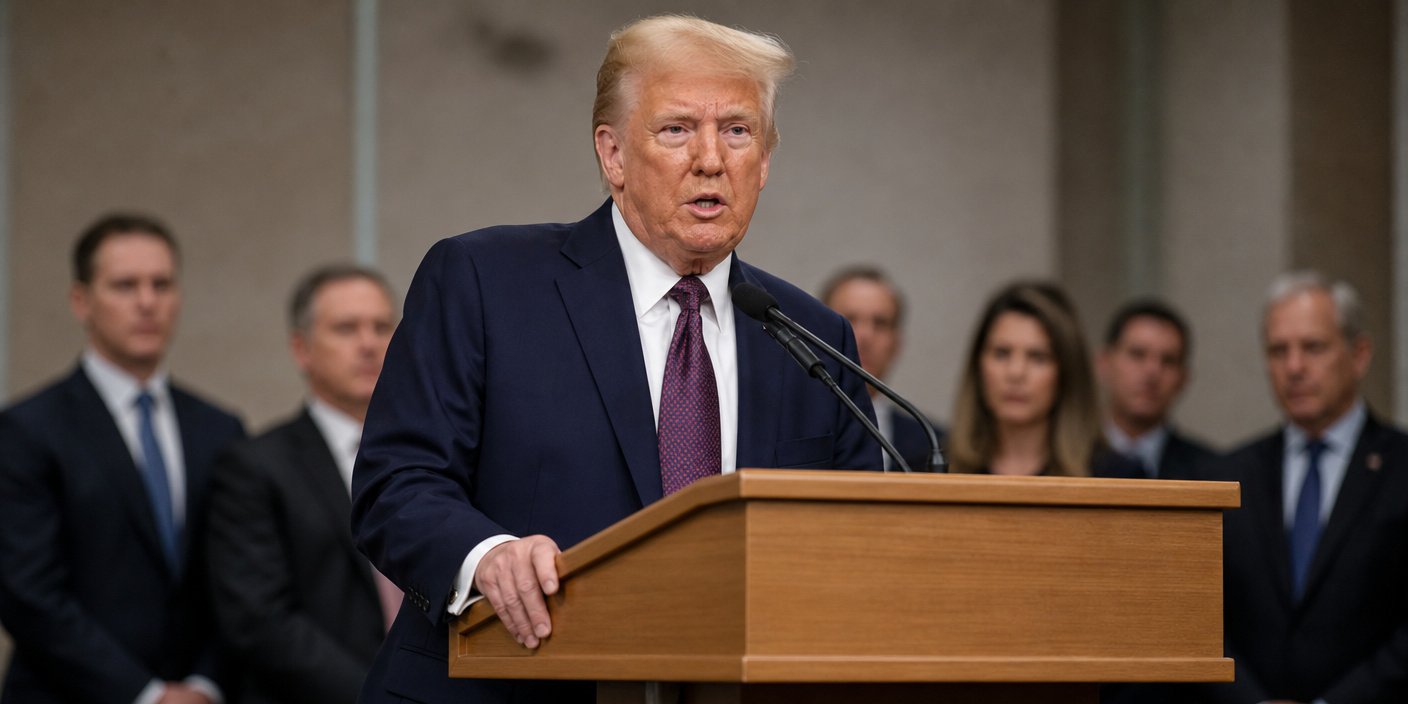
The Trump administration’s latest push, as reported by the Financial Times, advocates for tariffs ranging between 50% and 100% on goods originating from India and China that are linked to their continued purchases of Russian oil. This initiative is framed as a critical component of President Trump’s broader strategy to isolate Russia economically and achieve a resolution in the Ukrainian conflict. A spokesperson for the U.S. Treasury Department articulated the administration’s stance, stating that “Chinese and Indian purchases of Russian oil are funding Putin’s war machine and prolonging the senseless killing of the Ukrainian people.” The message conveyed to European allies earlier this week was clear: a call for “meaningful tariffs that will be rescinded the day the war ends.” This coordinated action aims to leverage the economic leverage of the world’s leading industrialized democracies to choke off a vital revenue stream for the Russian government.

The U.S. has already demonstrated its willingness to enact such measures. Last month, the Trump administration levied a 50% tariff on certain Indian imports, a package that included a 25% reciprocal duty and an additional 25% punitive levy specifically targeting India’s Russian oil procurement. This move has notably strained bilateral trade relations between the two nations. While the U.S. has not imposed direct tariffs on China specifically for its Russian oil imports, President Trump had previously increased tariffs on Chinese goods in April, though some were later rolled back following significant market backlash.
India and China: Targeted Nations Respond
India, a major importer of discounted Russian crude, has defended its procurement as a matter of national energy security and economic necessity. New Delhi has pointed out that other major economies, including the European Union and China, also continue to import substantial amounts of Russian energy, questioning the selective pressure applied by the U.S. The Indian government has previously described the increased tariffs as “unfortunate.” U.S. Treasury Secretary Scott Bessent has specifically accused India of “profiteering” from the conflict, alleging that Indian refiners have made approximately $16 billion in excess profits by buying discounted Russian oil and reselling refined products, a practice he termed “Indian arbitrage” and deemed “unacceptable.” He contrasted India’s increased reliance (now around 42% of its oil imports, up from under 1% pre-war) with China’s, whose Russian oil imports have risen less dramatically to 16% from 13%, noting China’s long-standing role as a buyer.
China, Russia’s largest oil buyer, has strongly criticized the U.S. policy, with its Foreign Ministry deeming it part of Trump’s “America First” agenda that could trigger a global trade war. The opacity of China’s energy trade makes it more challenging to target with precision compared to India’s more overt dealings. The prospect of high tariffs on Chinese imports also carries the risk of significant retaliation, potentially shattering global supply chains and causing inflationary shocks.
G7 Deliberations and European Caution
Canada, currently holding the G7 presidency, has confirmed that the group will convene to discuss “further measures to increase pressure on Russia and limit their war machinery.” This confirms the urgency and focus on Russia’s financial capabilities. However, European allies have expressed considerable hesitation regarding the proposed steep tariffs. Officials in Brussels are wary of the potential economic repercussions, including retaliatory measures from Beijing and New Delhi, both of whom are significant trading partners. Instead, the EU is reportedly favoring a strategy that includes accelerating its 2027 deadline to phase out Russian energy imports and implementing stricter sanctions on Russian energy producers.
Sources indicate that the EU finds imposing such sweeping trade penalties difficult, especially as it is simultaneously engaged in ongoing trade negotiations with India, including a Free Trade Agreement, which could be jeopardized. While the U.S. is pushing for a unified front, Europe appears to be seeking alternative diplomatic and economic avenues to achieve similar pressure without risking substantial trade disruptions and economic instability.
Broader Implications and the Path Forward
The U.S. proposal underscores a significant geopolitical and economic challenge. It highlights the complex balancing act faced by nations reliant on Russian energy for their security and economic stability, while also being allies or partners of the U.S. and its European allies. The potential for increased tariffs could reshape global energy markets, disrupt established trade flows, and lead to a broader fragmentation of the global economy. The existing U.S. tariffs on Indian goods, which are currently facing legal challenges that could lead to billions in refunds if overturned by the Supreme Court, add another layer of complexity. This top American story underscores the intense pressure being applied by the United States to dismantle Russia’s wartime economy through a coordinated international effort, but the outcome of the G7 discussions remains uncertain amidst differing national interests and economic considerations.