Global diplomatic efforts and judicial actions dominated international headlines on July 9, 2025, as a potential Gaza ceasefire progressed through delicate proximity talks, while simultaneously, high-profile investigations into alleged international crimes were initiated by Spain’s National Court and the International Criminal Court (ICC). Adding to the complex geopolitical landscape, the United States signaled a potential escalation in trade tensions with a key bloc of emerging economies, and regional violence continued in the Middle East.
The developments underscore a day marked by intertwined political, legal, and security challenges across multiple continents, demanding the attention of policymakers and international observers alike. From the intricate negotiations aimed at de-escalating conflict in the Gaza Strip to the assertion of universal jurisdiction by a European court and the pursuit of accountability for alleged atrocities in Afghanistan, the events of July 9, 2025, highlight the dynamic and often volatile nature of global affairs.
Gaza Ceasefire Negotiations Show Progress
A glimmer of hope emerged regarding a potential de-escalation in the Gaza Strip, as US Special Envoy for Peace Missions Steve Witkoff expressed optimism that a crucial 60-day ceasefire agreement could be reached by the end of the week. Witkoff’s comments, made on July 9, 2025, pointed to significant progress in ongoing proximity talks involving mediators and parties to the conflict. According to the special envoy, negotiators have successfully navigated complex issues, with only one remaining unresolved point standing between the current stage and a potential agreement.
The proposed 60-day ceasefire is a central element of a broader potential deal aimed at pausing hostilities and facilitating humanitarian efforts in the embattled territory. A key component of the reported proposal includes a framework for the exchange of captives. Specifically, the agreement under discussion encompasses the release of 10 living individuals held captive, alongside the repatriation of the remains of nine deceased individuals. The successful conclusion of these negotiations would mark a significant, albeit temporary, reduction in the violence that has plagued the region, providing much-needed relief and an opportunity for further diplomatic engagement on July 9, 2025, and beyond.
Special Envoy Witkoff’s role in these sensitive proximity talks underscores the sustained international effort to broker a resolution. The fact that only one issue remains unresolved suggests that the core components of a potential agreement, including the duration of the ceasefire and the parameters for the exchange of captives, have largely been settled or are nearing finalization. The coming days, leading up to the end of the week target mentioned by Witkoff, will be critical in determining if this potential breakthrough can be fully realized.
The stakes of these negotiations are immensely high. A 60-day ceasefire would provide a substantial window for increased humanitarian aid delivery, repairs to infrastructure, and potentially open pathways for more substantive discussions on the future of the region. Conversely, a failure to bridge the gap on the final unresolved issue could see a continuation or escalation of the conflict, with devastating consequences for the civilian population in the Gaza Strip and heightened instability across the wider Middle East. The world watches closely on July 9, 2025, awaiting the outcome of these pivotal talks.
Spanish Court Launches War Crimes Investigation
Adding another layer of legal scrutiny to international conduct, Spain’s National Court announced on July 9, 2025, that it has launched a criminal investigation into alleged war crimes and crimes against humanity. The probe specifically targets Israeli Prime Minister Benjamin Netanyahu, Foreign Minister Israel Katz, and several unnamed senior military officials. This significant legal action stems from an incident that occurred on June 1, when a humanitarian aid ship, the Madleen, was raided while en route to the Gaza Strip.
The investigation was initiated following a case filed by Spanish citizen Sergio Toribio and the Committee for Solidarity with the Arab Cause. These parties invoked the principle of universal jurisdiction, a legal doctrine that allows national courts to prosecute individuals for certain egregious international crimes, such as war crimes and crimes against humanity, regardless of where the crimes were committed or the nationality of the suspect or victim. This principle asserts that some crimes are so universally condemned that any state has a duty or right to prosecute them.
The June 1 raid on the Madleen has drawn international attention and controversy. The ship was reportedly attempting to deliver humanitarian aid to Gaza, which has been under significant restrictions. The specific allegations being investigated by Spain’s National Court relate to actions taken during this raid that are alleged to constitute violations of international law amounting to war crimes and crimes against humanity.
This move by Spain’s National Court, leveraging the principle of universal jurisdiction, is a notable development. While the investigation is in its early stages, its initiation against such high-profile political and military figures underscores the increasing willingness of national courts to assert jurisdiction over alleged international crimes, particularly when domestic legal avenues are perceived as unavailable or insufficient. The case filed by Sergio Toribio and the Committee for Solidarity with the Arab Cause provides the specific legal basis for the court’s action on July 9, 2025.



The potential implications of this investigation are far-reaching, raising complex questions about international accountability, the limits of state sovereignty, and the application of universal jurisdiction in politically charged contexts. The individuals targeted, including Prime Minister Benjamin Netanyahu and Foreign Minister Israel Katz, hold key leadership positions, making this probe particularly sensitive on the global stage.
ICC Issues Arrest Warrants for Taliban Leaders
In a separate but equally significant development concerning international justice, the International Criminal Court (ICC) in The Hague announced on July 9, 2025, that it has issued arrest warrants for two senior figures within the Taliban regime in Afghanistan. The warrants target Taliban supreme leader Hibatullah Akhundzada and Chief Justice Abdul Hakim Haqqani.
The charges specified in the ICC warrants relate to alleged crimes against humanity and systemic gender-based persecution that have reportedly occurred in Afghanistan since the Taliban’s return to power in 2022. The ICC, which prosecutes individuals for international crimes including genocide, war crimes, crimes against humanity, and the crime of aggression, asserts jurisdiction over alleged atrocities committed on the territory of member states or by their nationals.
Hibatullah Akhundzada holds the highest authority within the Taliban, serving as its supreme leader and effectively the head of state in the government formed after the withdrawal of international forces and the collapse of the previous Afghan government in 2021. Abdul Hakim Haqqani serves as the chief justice, overseeing the judicial system under Taliban rule.
The accusations of systemic gender-based persecution highlight concerns raised by numerous international bodies and human rights organizations regarding the severe restrictions imposed on women and girls in Afghanistan since 2022. These restrictions, affecting education, employment, freedom of movement, and other fundamental rights, are central to the allegations facing Akhundzada and Haqqani at the ICC.
The issuance of these arrest warrants by the ICC on July 9, 2025, is a powerful statement regarding accountability for alleged crimes committed in Afghanistan. While the practical challenges of executing such warrants against leaders of a ruling regime are significant, the legal action serves to document alleged atrocities and maintain pressure on the individuals named. It reinforces the principle that even those in positions of power can potentially be held responsible under international law for the gravest crimes.
Trump Threatens Tariffs on BRICS Nations
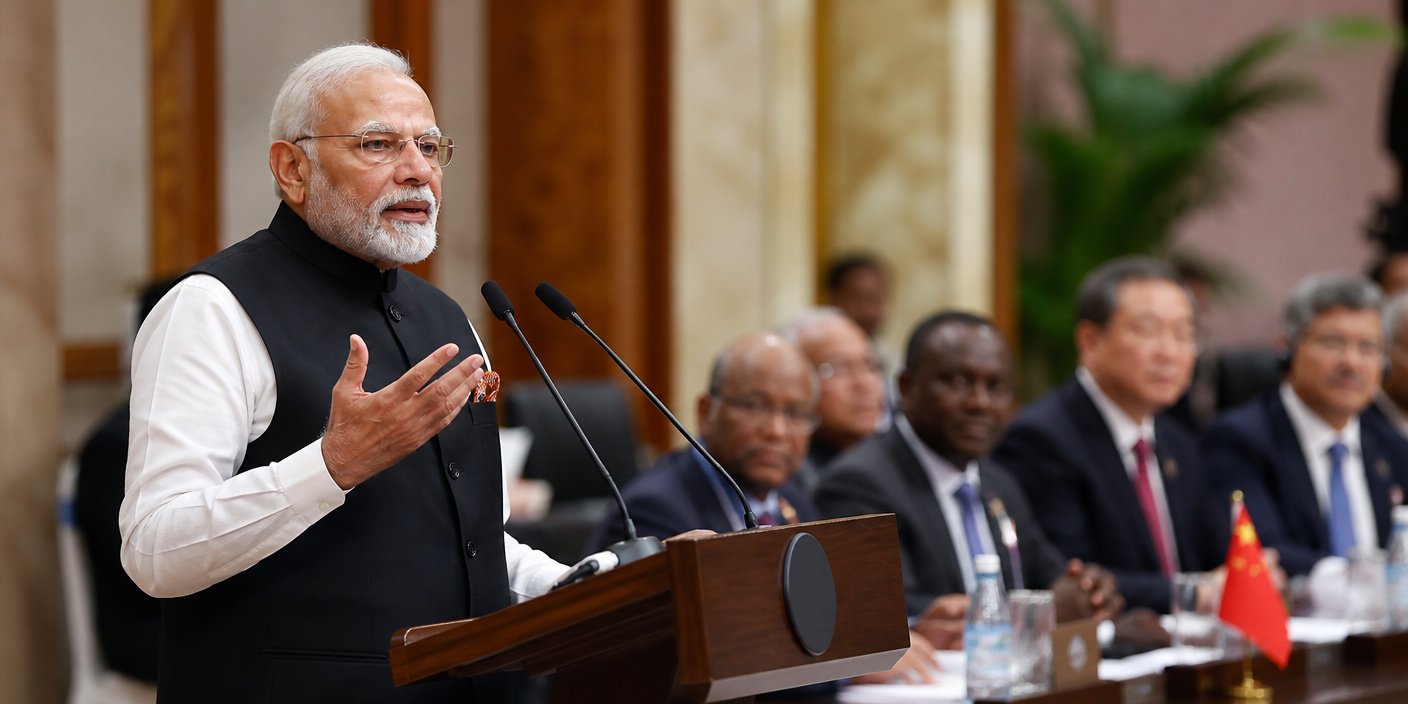
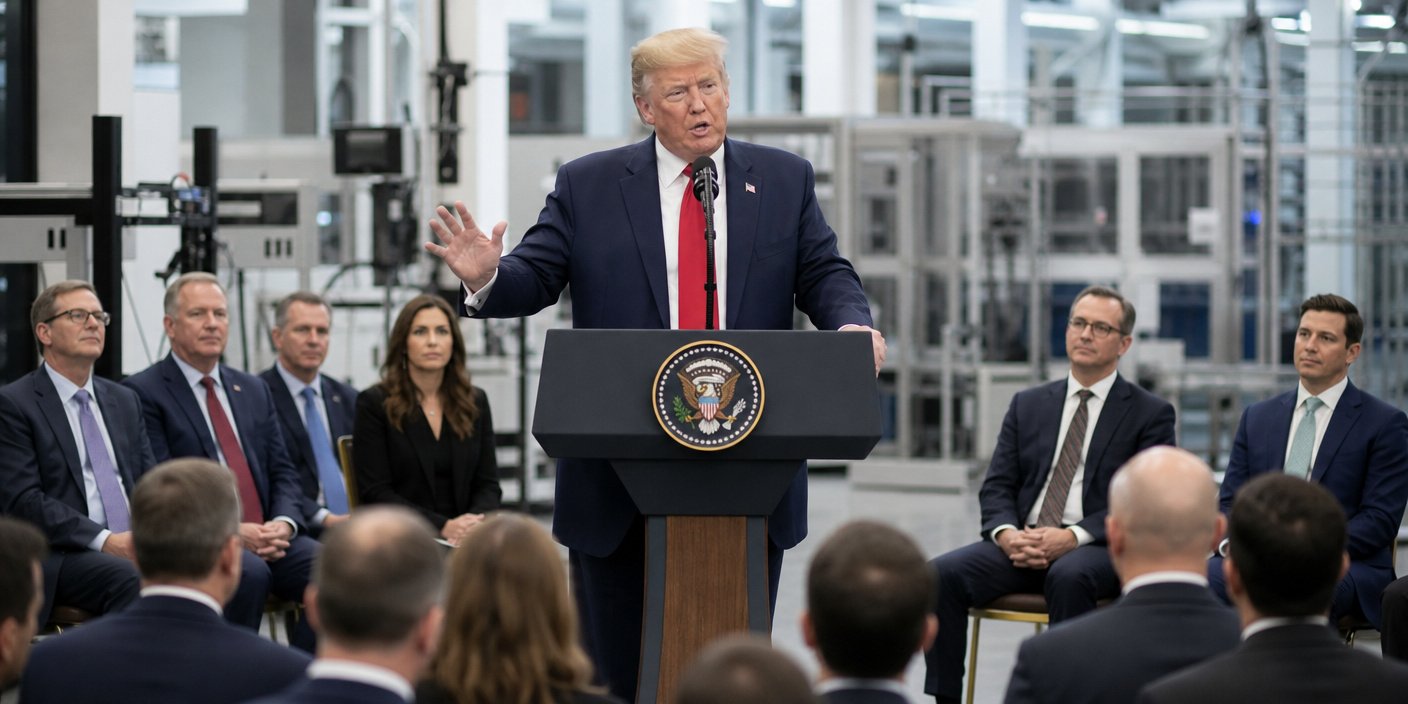
On the economic front, global trade dynamics were put on notice on July 9, 2025, as US President Donald Trump issued a threat to impose a 10% tariff on goods originating from BRICS nations. The BRICS group, an association of five major emerging national economies—Brazil, Russia, India, China, and South Africa (with potentially expanded membership)—has been increasingly assertive on the global economic stage.
President Trump explicitly stated his rationale for the proposed tariff, asserting that the BRICS group was “set up to hurt” the United States. This declaration signals a potential escalation in trade tensions between the US and this influential bloc, which collectively represents a significant portion of the world’s population and economic output.
The threat of a blanket 10% tariff on imports from all BRICS member states, including major trading partners like China and India, could have substantial repercussions for global supply chains, consumer prices, and international trade relations. President Trump’s language suggests a view of the BRICS collaboration as an economic challenge or threat to US interests, rather than merely an independent geopolitical or economic alignment.
Coming on July 9, 2025, this statement introduces uncertainty into international trade forecasts and could prompt reactions from the BRICS nations, potentially leading to retaliatory measures. The economic implications of such a tariff policy would be widely felt, affecting businesses, investors, and consumers across the globe.
Regional Conflict Continues in Lebanon
Amidst these significant political, legal, and economic developments, regional security concerns remained prominent. On Tuesday evening, an Israeli strike near Tripoli in northern Lebanon resulted in casualties, further highlighting the persistent tensions along the border.
The strike, which occurred adjacent to the city of Tripoli, a major port city in northern Lebanon, resulted in the deaths of three individuals and left 13 others injured. While the specific target and context of the strike near Tripoli were not immediately detailed in the summary information available on July 9, 2025, the incident underscores the ongoing exchanges of fire and the risk of escalation in southern Lebanon spilling over into other areas.
Such incidents near densely populated areas like Tripoli raise concerns about civilian safety and the potential for broader regional conflict. The casualties reported—three killed and 13 injured—are a stark reminder of the human cost of the persistent hostilities that continue to affect the region.
Conclusion: A Day of Global Significance
July 9, 2025, proved to be a day laden with pivotal international events, each carrying significant weight for global peace, justice, trade, and security. From the cautiously optimistic reports on Gaza ceasefire talks and a potential hostage deal to the unprecedented legal challenges launched by Spain’s National Court and the ICC, the actions of international bodies and national judiciaries are shaping the landscape of accountability for alleged crimes.
Simultaneously, major power dynamics are shifting, highlighted by President Trump’s direct economic threat to the BRICS group and the tragic continuation of regional violence in Lebanon. These disparate events, occurring simultaneously, paint a picture of a world grappling with complex, interconnected crises on July 9, 2025, demanding careful diplomatic maneuvering, the pursuit of international law, and vigilant attention to simmering conflicts.