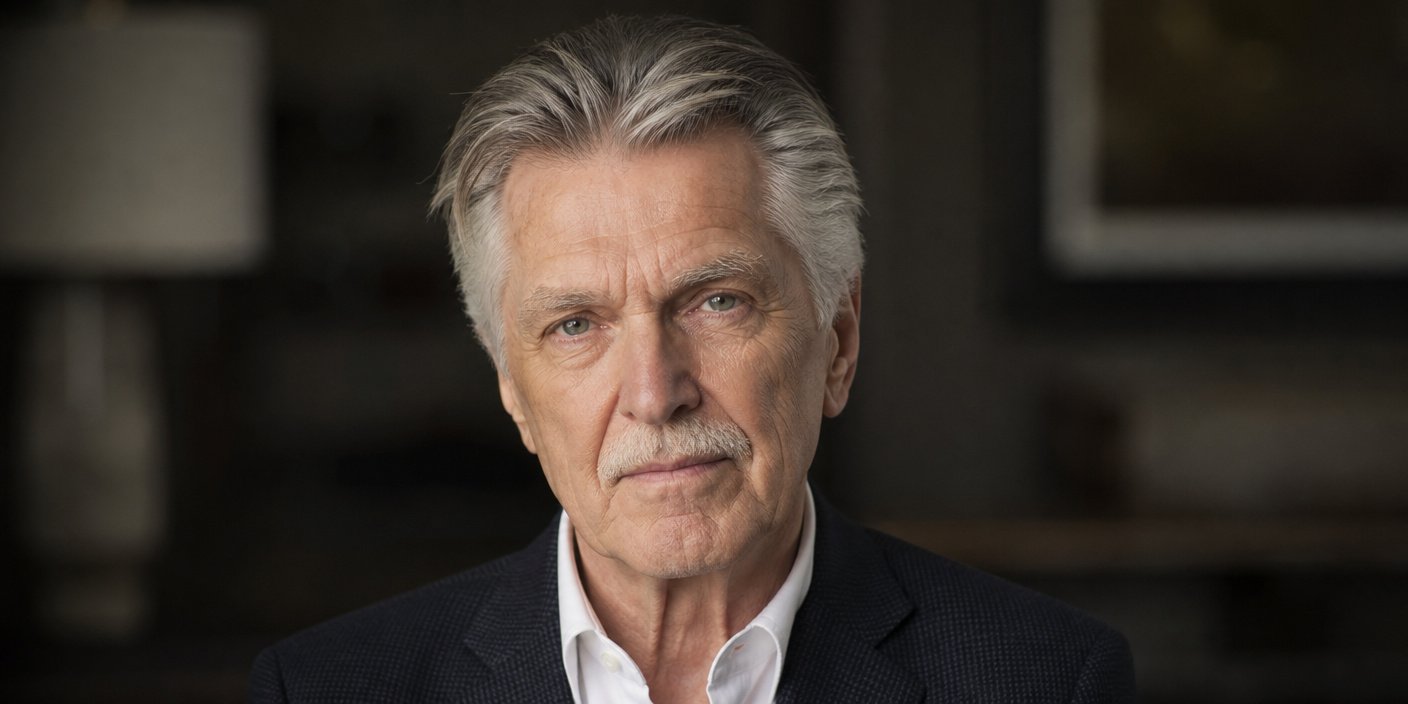
In a significant policy shift, Germany and several of its NATO allies have reportedly lifted restrictions on Ukraine’s ability to use long-range weapons to strike targets located within Russia. The decision, announced by German Chancellor Friedrich Merz, marks a notable evolution in the stance of key Western partners regarding the parameters of Ukraine’s defense against the ongoing conflict.
Key Development
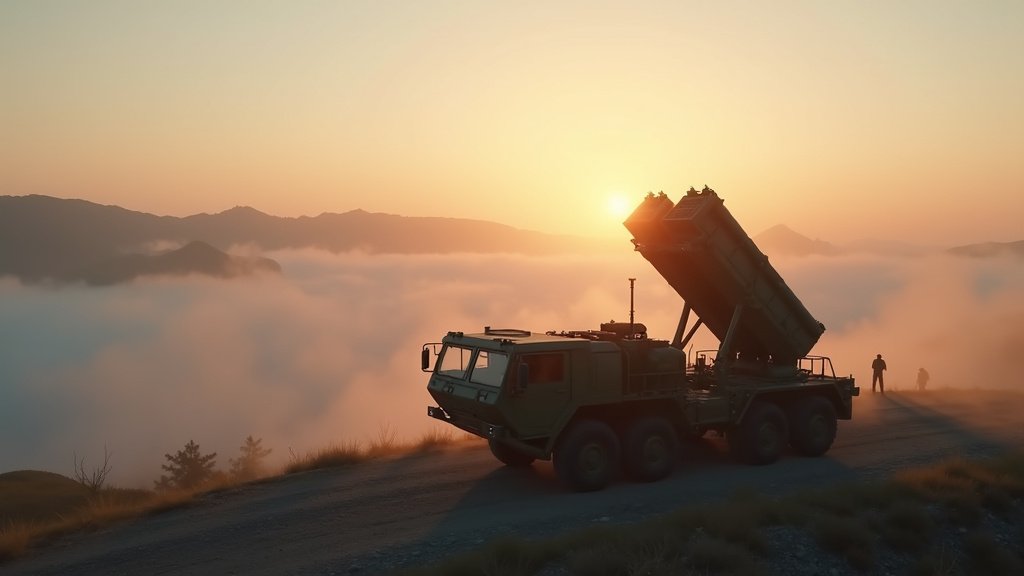
The announcement, conveyed by German Chancellor Friedrich Merz, specifies that Germany, alongside several other member nations of the North Atlantic Treaty Organization (NATO), has removed what were previously considered limitations on the operational use of certain advanced weaponry supplied to Kyiv. Specifically, the lifted restrictions pertain to Ukraine’s deployment of long-range weaponry, enabling its forces to engage military targets situated inside Russia. This move comes after considerable debate among Ukraine’s international supporters regarding the strategic and political implications of such strikes.
For months, discussions have unfolded within NATO and other allied circles concerning the boundaries of military aid to Ukraine, particularly regarding the use of Western-supplied arms against targets within Russian territory. Concerns about potential escalation have previously led some nations to impose limitations on how the provided weaponry could be employed. The decision by Germany and several allies signals a collective reassessment of these restrictions, presumably aimed at bolstering Ukraine’s capacity for self-defense and potentially disrupting Russian logistical and operational capabilities that support the front lines.
Strategic Implications
The ability for Ukraine to lawfully and effectively strike targets within Russia using longer-range systems supplied by its allies could have varied strategic implications. Until this policy change by Germany and others, Ukraine’s use of some advanced Western arms was often implicitly or explicitly limited to targets within Ukrainian sovereign territory, including occupied areas. Lifting these all restrictions allows Ukraine greater operational depth to target, for example, military staging areas, supply depots, command centers, or infrastructure supporting Russian forces engaged in the conflict.
Military analysts suggest that removing these constraints could potentially alter the dynamics of the conflict by making certain Russian rear areas, previously considered safe zones from specific Ukrainian capabilities, vulnerable. This could compel Russia to relocate assets, complicate logistics, or potentially reduce the intensity of assaults originating from Russian territory. However, the practical impact will depend on the specific long-range systems made available to Ukraine and the scale of their deployment.
Kremlin’s Reaction



Unsurprisingly, the announcement drew a swift and critical response from Moscow. Kremlin Press Secretary Dmitry Peskov issued a statement addressing the decision by Germany and its allies. According to Peskov, the lifting of these restrictions runs counter to efforts aimed at reaching a political settlement to end the conflict.
Peskov’s remarks underscore Russia’s consistent position that providing advanced weaponry to Ukraine and allowing its use against Russian territory represents an escalation that hinders diplomatic resolution. The Kremlin has repeatedly warned of potential consequences for nations supplying such capabilities or permitting their use in this manner, viewing it as direct involvement in the conflict.
Broader Context
The policy shift by Germany and several other NATO allies reflects an evolving consensus, or at least a growing faction, within the alliance regarding the necessity of granting Ukraine greater flexibility in employing defensive measures. While some allies may have permitted limited strikes into Russia previously, the explicit statement from Germany, a major provider of aid and a nation that had historically been more cautious regarding the use of its supplied weapons, is particularly significant.
This development places increased focus on other allied nations and whether they will follow suit in removing similar restrictions. It also reignites debate about the principle of proportionality and the potential for reciprocal actions from Russia.
Escalation Concerns
The decision, while framed by allies as necessary for Ukraine’s self-defense, inherently carries risks of escalation. Allowing strikes deeper into Russian territory could provoke a stronger reaction from Moscow, potentially leading to an expansion of the conflict in unforeseen ways. Peskov’s statement regarding the disruption of ‘political settlement’ efforts highlights the diplomatic fallout and underscores Russia’s view that this action pushes the prospect of negotiations further out of reach.
Allied nations lifting restrictions appear to have weighed these risks against the perceived benefits of enabling Ukraine to better defend itself and inflict costs on Russia’s military apparatus supporting the invasion.
Rationale and Support
The rationale behind this policy shift from Germany and several NATO allies is primarily centered on the concept of self-defense. Proponents argue that Ukraine cannot effectively defend itself if it is prevented from striking military targets and infrastructure within Russia that are directly supporting attacks on Ukrainian territory and forces. They assert that it is a fundamental aspect of defensive warfare to be able to neutralize threats originating from the aggressor’s territory.
This position is supported by international legal interpretations that generally allow a state subjected to armed attack to take necessary and proportionate measures in self-defense, which may include striking military targets in the territory of the attacking state.
Outlook
The decision by Germany and several NATO allies to lift all restrictions on Ukraine’s use of long-range weaponry inside Russia marks a pivotal moment in the international support for Kyiv. It grants Ukraine potentially enhanced capabilities on the battlefield but simultaneously raises the diplomatic and strategic stakes of the conflict. The reaction from Russia, as voiced by Dmitry Peskov, indicates that this move is viewed critically and could complicate future prospects for de-escalation or negotiation towards a political settlement. The coming weeks will likely reveal the practical impact of this policy change on military operations and the broader geopolitical landscape.