Belém, Brazil – The world convened for the COP30 Climate Summit, a pivotal event that concluded in Belém on November 22, 2025. While leaders reached a significant climate finance agreement and made strides in adaptation, the COP30 Climate Summit controversially omitted any explicit commitment to a fossil fuel phase out. This outcome, hammered out after marathon negotiations, has elicited a wide range of responses, from cautious optimism regarding increased funding for vulnerable nations to sharp criticism from environmental advocates and certain national delegations who lamented the lack of decisive action on the root causes of global warming.
COP30 Climate Summit: A Landmark Deal for Climate Finance and Adaptation
The central outcome of the COP30 Climate Summit, often referred to as the “Belém Package” or “Mutirão text” (from the Portuguese word for collective work), signals a substantial financial commitment to bolster climate action globally. Nations agreed to mobilize at least $1.3 trillion annually by 2035 for climate initiatives, a figure intended to unlock unprecedented investment in mitigation and adaptation efforts worldwide. This package also includes a crucial tripling of adaptation finance by 2035, aiming to significantly bolster the capacity of developing countries to cope with the escalating impacts of climate change, such as extreme weather events, rising sea levels, and resource scarcity. While the deadline for this tripling was pushed back from the initially desired 2030 to 2035, it represents a major financial uplift for nations on the front lines of the climate crisis. Furthermore, the deal confirmed the operationalization of the Loss and Damage Fund, established at COP28, and outlined a new Climate Finance Work Programme to guide future efforts. These financial agreements were underpinned by the “Baku to Belém Roadmap to $1.3 Trillion,” a framework designed to coordinate public and private finance mobilization. This significant climate finance agreement represents a key COP30 outcome.
Beyond finance, the COP30 Climate Summit launched initiatives like the Global Implementation Accelerator and the Belém Mission to 1.5°C, designed to help countries accelerate the implementation of their Nationally Determined Contributions (NDCs) and adaptation plans, thereby keeping the Paris Agreement’s goal of limiting global warming to 1.5 degrees Celsius within reach. The conference also saw the adoption of 59 voluntary indicators for tracking progress on the Global Goal on Adaptation and, for the first time, included dialogues on climate-related trade measures within the UNFCCC process. A Gender Action Plan was also finalized, emphasizing the integration of gender perspectives in climate policy. The Belém Package climate discussions at the COP30 Climate Summit focused heavily on these vital areas.
The Fossil Fuel Phase-Out Omission: A Point of Contention at COP30
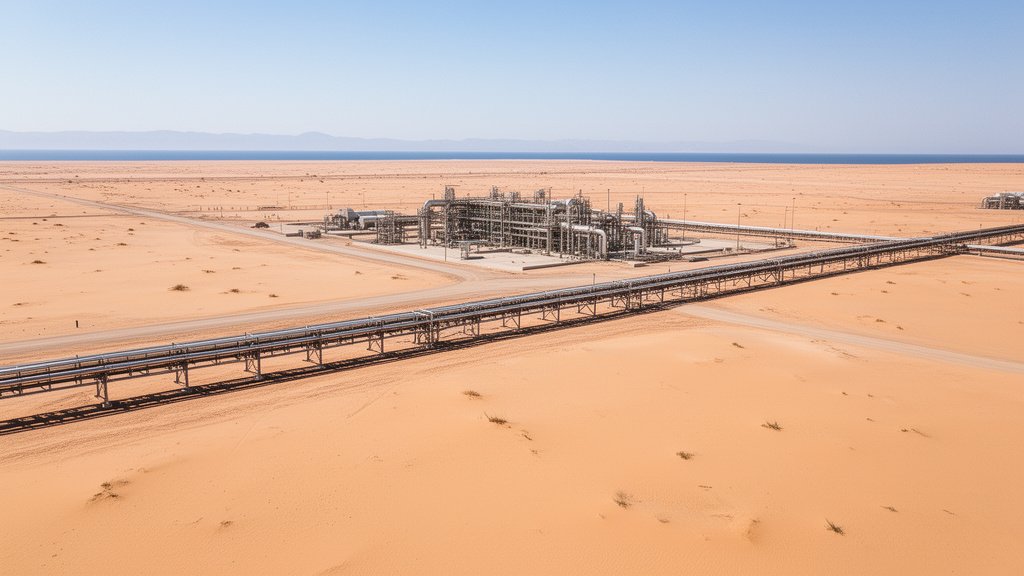
Despite these advances, the most significant point of contention, and a major source of disappointment, was the omission of any explicit language mandating a fossil fuel phase-out or even a clear roadmap for transitioning away from fossil fuels in the final negotiated text of the COP30 Climate Summit. The summit had seen considerable momentum, with over 80 countries advocating for a formal commitment to phase down or out coal, oil, and gas – the primary contributors to greenhouse gas emissions. However, this push faced staunch opposition from a coalition of major fossil fuel-producing nations, including Saudi Arabia, Russia, and some emerging economies like India, who argued against binding timelines for a fossil fuel phase-out.
In a bid to salvage consensus, the final “Belém Political Package” reiterated the “UAE Consensus” from COP28, which called for “transitioning away from fossil fuels” without specifying a timeline or concrete measures. This compromise left many nations and observers feeling that the core of the climate crisis had been deliberately overlooked. The COP30 President, André Corrêa do Lago, acknowledged the high ambitions that were not fully met, stating, “We know some of you had greater ambitions for some of the issues at hand.” As a voluntary initiative outside the formal UNFCCC process, Brazil’s presidency committed to creating separate roadmaps for transitioning away from fossil fuels and halting deforestation, a move that was seen by some as a sign of the presidency’s intent but lacking the binding power of an international agreement. Colombia, which is organizing a global conference on fossil fuel phase-out, also expressed its commitment to advancing this agenda.
World Leaders React: A Spectrum of Views on the COP30 Climate Summit


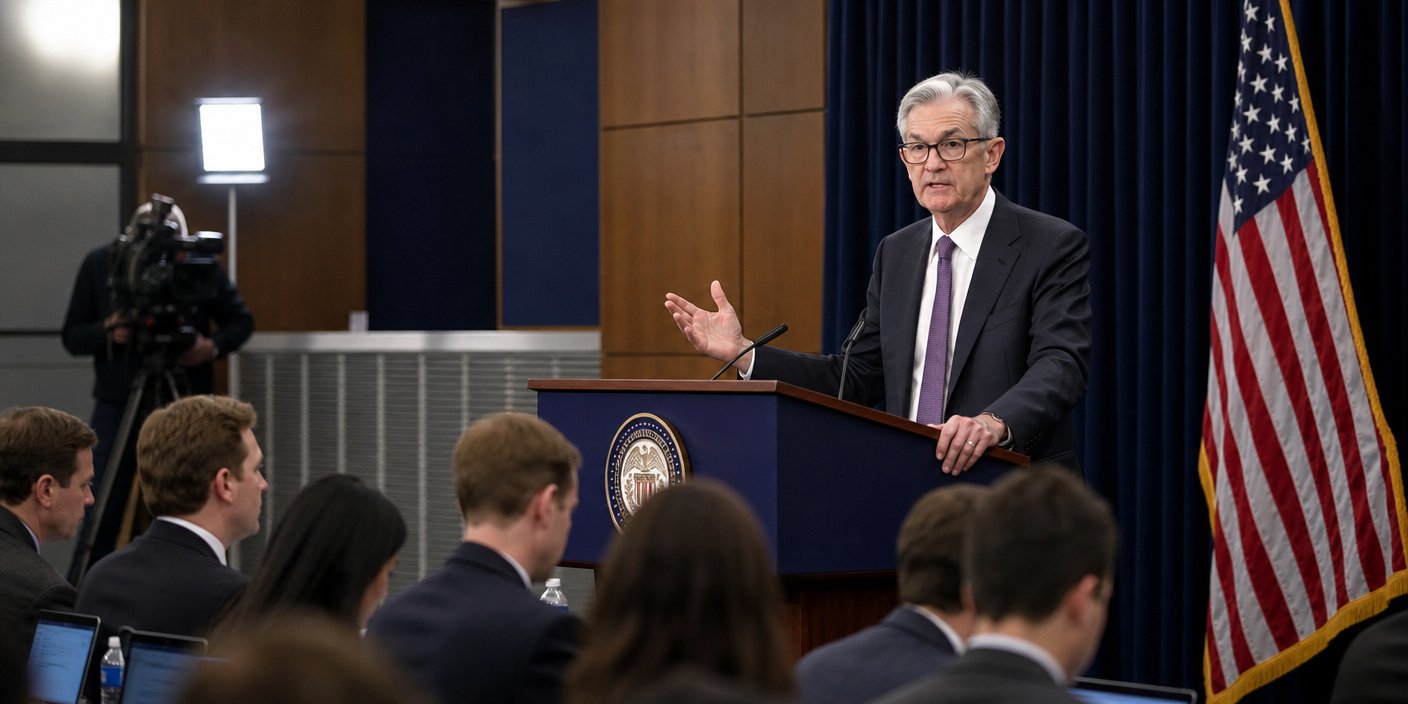
Reactions from world leaders and international bodies reflected the complex nature of the COP30 outcome. UN Climate Chief Simon Stiell acknowledged the “stormy political waters” and divisions, but emphasized that “COP30 showed that climate cooperation is alive and kicking, keeping humanity in the fight for a livable planet”. He highlighted the progress made in accelerating implementation and the commitments toward a just energy transition, while admitting that “COP30 has delivered everything that is needed” was not the case. The global climate debate continues following this summit.
Leaders from nations pushing for stronger fossil fuel language expressed disappointment. The European Union’s climate commissioner, Wopke Hoekstra, stated that while the deal was a step in the right direction, it fell short. “I fear the world still fell short on more rapid-release grants for developing countries responding to loss and damage,” he noted. Colombian delegates were particularly vocal, with the Minister of Environment accusing the summit of failing its core mission and stating, “Colombia will not accept a text that denies science, prevents the achievement of the 1.5°C target, and turns its back on people and life”. The absence of the United States, with the Trump administration declining to send a delegation, was noted by several observers as potentially emboldening opposition from petrostates.
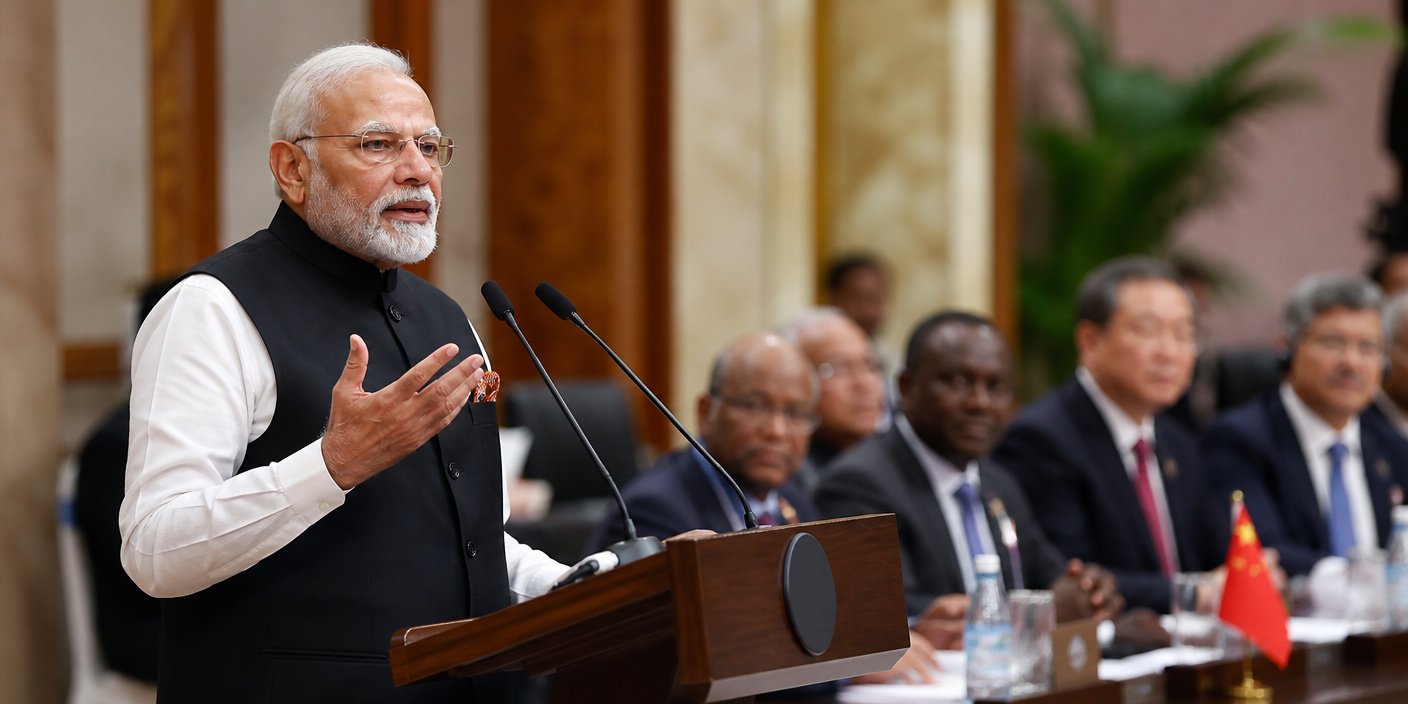
Developed nations were urged to increase their financial support, a sentiment echoed by many. India welcomed the outcome of the COP30 Climate Summit, praising the presidency’s focus on climate finance and reiterating its stance on equity, emphasizing that “those who have least responsibility in causing the problem must not be loaded with the burden of climate change mitigation”.
Rights Groups and Civil Society: Wins Amidst Disappointment at the COP30 Climate Summit
Environmental organizations and rights groups offered a similarly mixed assessment. While some hailed breakthroughs in specific areas, many voiced strong criticism over the failure to address fossil fuels directly. Tasneem Essop, Executive Director of Climate Action Network International, called the adoption of a Just Transition mechanism a “win for justice” carved out through “struggle, persistence, and the moral clarity of those living on the frontlines of climate breakdown.” However, she also stressed that governments must honor this mechanism with real action, noting that “without adaptation finance and a just, equitable, and fully funded plan to transition away from fossil fuels, governments are not confronting the root cause of the crisis”. An adaptation finance surge was hoped for, but was not fully realized.
Critics lambasted the outcome on adaptation finance, calling it an “insult” to communities already suffering from climate impacts, particularly as the increased funding target was pushed back to 2035 without clear funding sources. Jasper Inventor, a former negotiator now with Greenpeace International, described the deal as “weak” and “inadequate,” with Panama negotiator Juan Carlos Monterrey Gomez asserting, “A climate decision that cannot even say ‘fossil fuels’ is not neutrality, it is complicity”. The omission was seen by some as a sign of “global conservative influence”.
Despite the overall disappointment, other initiatives garnered praise, including the Tropical Forests Forever Fund, which raised $5.5 billion and directs funds to Indigenous Peoples and local communities, and the Belém Health Action Plan, a new initiative targeting climate-related health threats. These efforts demonstrate continued climate action implementation.
Broader Implications and the Road Ahead from the COP30 Climate Summit
The COP30 Climate Summit, held in Belém near the Amazon rainforest, was intended to be the “COP of implementation”. While it delivered on certain implementation aspects, particularly in finance, the failure to secure a fossil fuel phase-out roadmap overshadowed many of its achievements. The decision to focus on voluntary initiatives and separate roadmaps underscores the deep divisions that persist in global climate negotiations, exacerbated by geopolitical tensions and the withdrawal of the United States from active participation. Reaching the Paris Agreement goals remains a challenge.
The outcome leaves the world facing continued reliance on fossil fuels, a situation many scientists warn is incompatible with limiting warming to 1.5°C. The commitment to triple adaptation finance and the establishment of the Just Transition Mechanism offer pathways for crucial action, but the absence of a binding phase-out plan for fossil fuels means the world remains on a trajectory that many consider perilous. As negotiations shift towards COP31, to be hosted by Turkey and presided over by Australia, the debates ignited in Belém over finance, justice, and the fundamental energy transition will undoubtedly continue to shape the global climate agenda.
The top news from COP30 is a complex narrative of progress and paralysis. While the world has collectively agreed to significantly ramp up financial support for climate action and adaptation, the critical step of dismantling dependence on fossil fuels remains deferred, leaving the planet’s future hanging precariously in the balance.