The strategic landscape of the Caribbean has seen a significant shift with the recent arrival of five advanced U.S. F-35 fighter jets at the former Roosevelt Roads military base in Ceiba, Puerto Rico. This deployment, part of a broader U.S. military buildup in the region, underscores the escalating tensions between the United States and Venezuela, adding a new chapter to the ongoing geopolitical stories shaping the hemisphere.
Advanced Air Power Arrives in the Caribbean
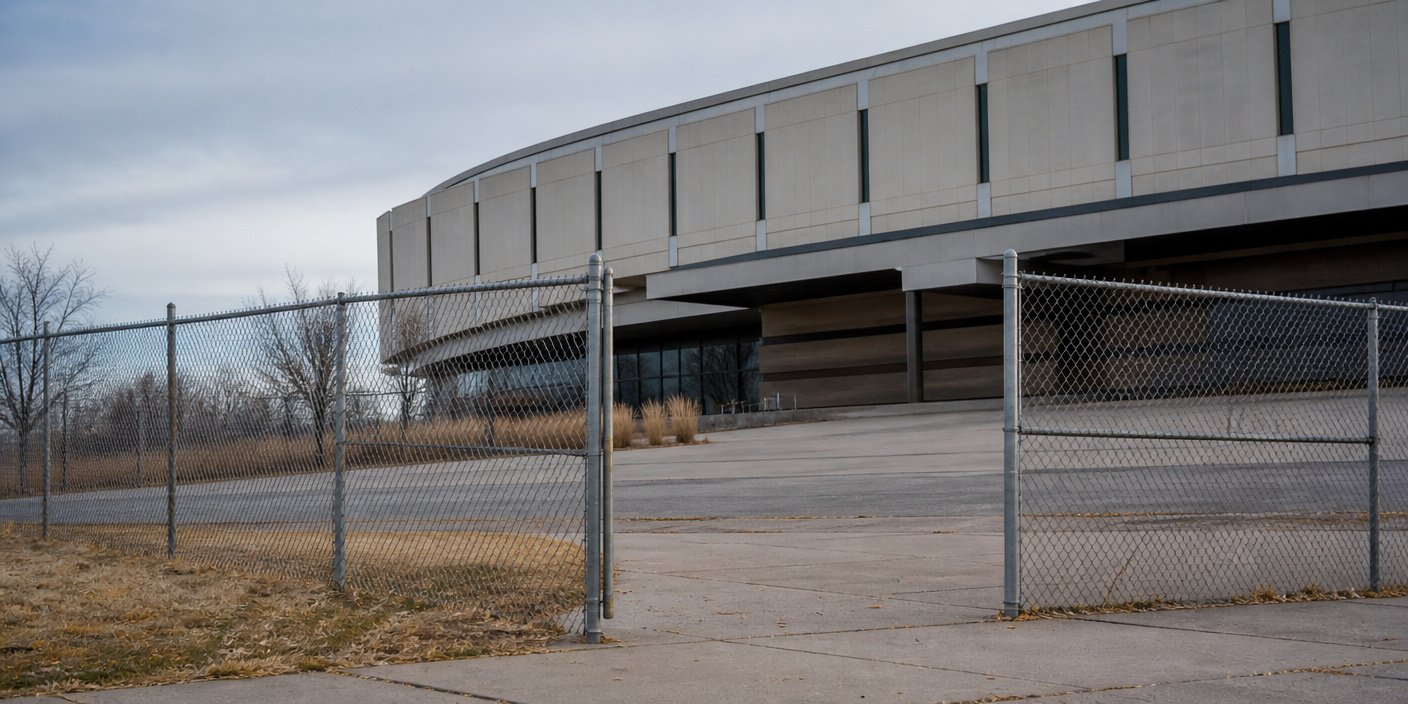
The arrival of the F-35B stealth fighters, among the world’s most sophisticated combat aircraft, marks a notable increase in American military posture in the Caribbean. These fifth-generation jets, originating from Marine Corps Air Station (MCAS) Yuma, made a stopover in Florida before reaching Puerto Rico. Video footage captured the aircraft landing at the former naval station, a site that has seen increased military activity in recent days, with helicopters, Osprey aircraft, and transport planes also observed. Notably, some of the F-35s were seen without unit markings, a potential security measure in this sensitive deployment.
This move is in direct response to President Donald Trump’s order to deploy ten F-35s to the Caribbean as part of an enhanced operation. The U.S. administration views these deployments as crucial for combating drug cartels that fuel the nation’s drug crisis. The F-35’s capabilities in intelligence, reconnaissance, and strike missions are seen as vital assets in this ongoing effort.
The Shadow of Venezuela Tensions
The backdrop to this military buildup is the increasingly strained relationship between Washington and Caracas. The United States has intensified its pressure on Venezuelan President Nicolás Maduro, designating him and his associates as leaders of a “narco-terrorist” cartel and placing a substantial bounty on his head. This has been met with strong condemnation from Venezuela, which accuses the U.S. of seeking regime change through military intimidation.


Recent incidents have heightened the confrontational atmosphere. The U.S. military conducted a strike on a Venezuelan vessel in the Caribbean, claiming it was transporting narcotics and resulting in the deaths of 11 individuals. Venezuela has disputed these claims, asserting that none of the deceased were drug traffickers and accusing the U.S. of committing an “extrajudicial killing.” Furthermore, Venezuela reported that a U.S. destroyer illegally boarded and occupied a Venezuelan tuna fishing vessel for several hours within its exclusive economic zone, labeling the act as “hostile.”
In response to the U.S. naval presence, Venezuela has conducted defensive exercises and mobilized its military and militias, viewing the American deployments as a direct threat to its sovereignty and regional peace.
F-35s: A Message of Deterrence and Capability
The deployment of the F-35s to Puerto Rico, located approximately 465 nautical miles from Venezuela, positions these advanced aircraft strategically. Their stealth capabilities and sophisticated sensor suites allow them to penetrate contested airspace and gather critical intelligence, far outperforming Venezuela’s aging air fleet. Analysts suggest their presence serves as a powerful deterrent, signaling American resolve and its capacity to project force rapidly in the region. This move is part of a trending narrative of heightened U.S. military engagement in Latin America.
Broader U.S. Strategy and Regional Ramifications
While the immediate justification for the F-35 deployment is counter-narcotics operations, the strategic implications extend further. The U.S. is also bolstering its presence in the Caribbean to protect emerging energy interests, particularly in Guyana, which has seen a rapid expansion of its offshore oil industry and faces territorial claims from Venezuela.
The White House has consistently stated that the current operations are not aimed at regime change in Venezuela but are focused on disrupting drug trafficking networks. However, Venezuelan officials maintain that the U.S. military actions are designed to provoke conflict and destabilize the region. The increased American military presence and the assertive posture from both nations have heightened concerns about potential miscalculations and direct confrontations.
Official Statements and Unconfirmed Details
When questioned about the F-35 arrivals, a Pentagon duty press officer offered a standard response: “We have no force posture changes to announce currently.” This official statement contrasts with the visible deployment of advanced weaponry, highlighting the deliberate but often unconfirmed nature of such military signaling.
The exact variant of the F-35s deployed and their precise mission parameters remain subjects of ongoing observation. However, their presence at a strategically important base in Puerto Rico, coupled with the ongoing diplomatic and military friction, firmly places the Caribbean at the center of current international security discussions.
Conclusion
The landing of U.S. F-35 fighter jets in Puerto Rico is more than just a logistical maneuver; it represents a significant escalation in American military projection within the Caribbean. As tensions with Venezuela continue to simmer, this deployment serves as a potent symbol of deterrence and a strategic commitment to regional security and counter-narcotics efforts. The unfolding stories from the region suggest a complex geopolitical situation that warrants close monitoring, as both nations navigate a delicate balance between defense and potential conflict.