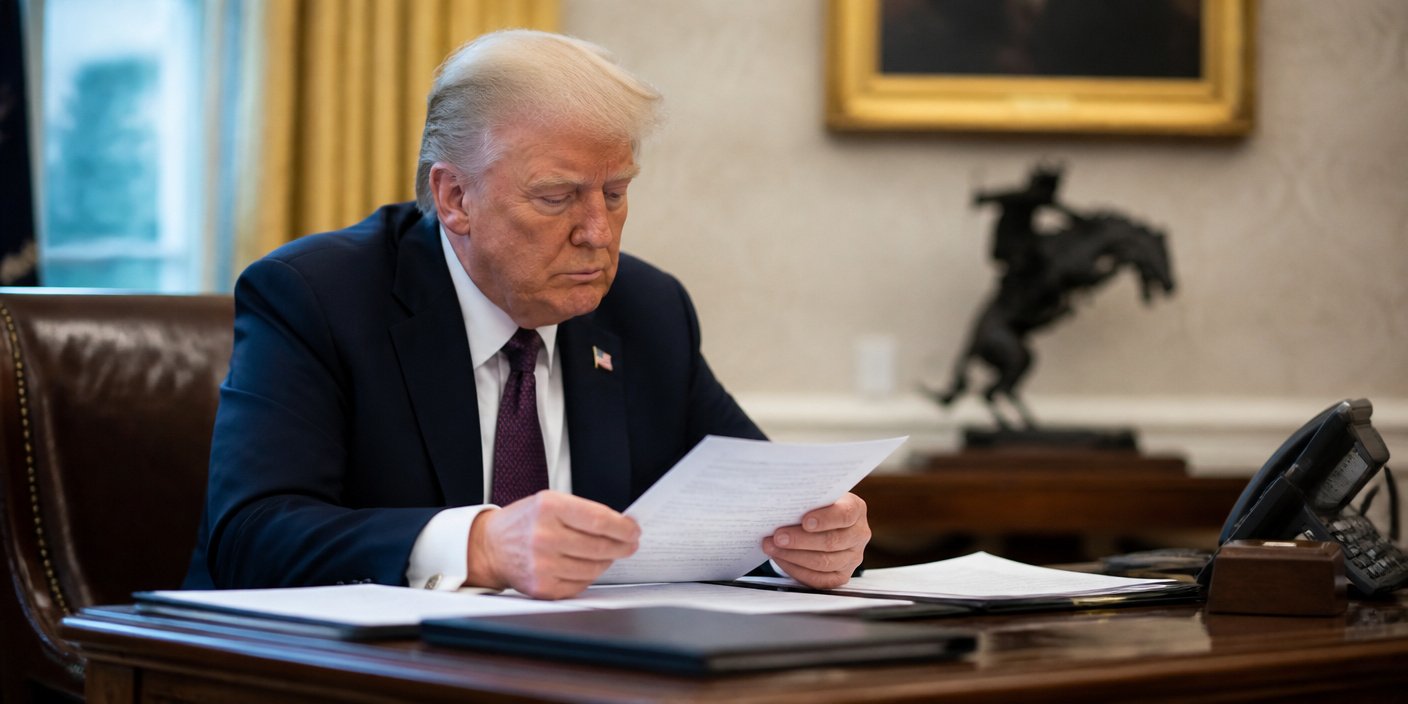
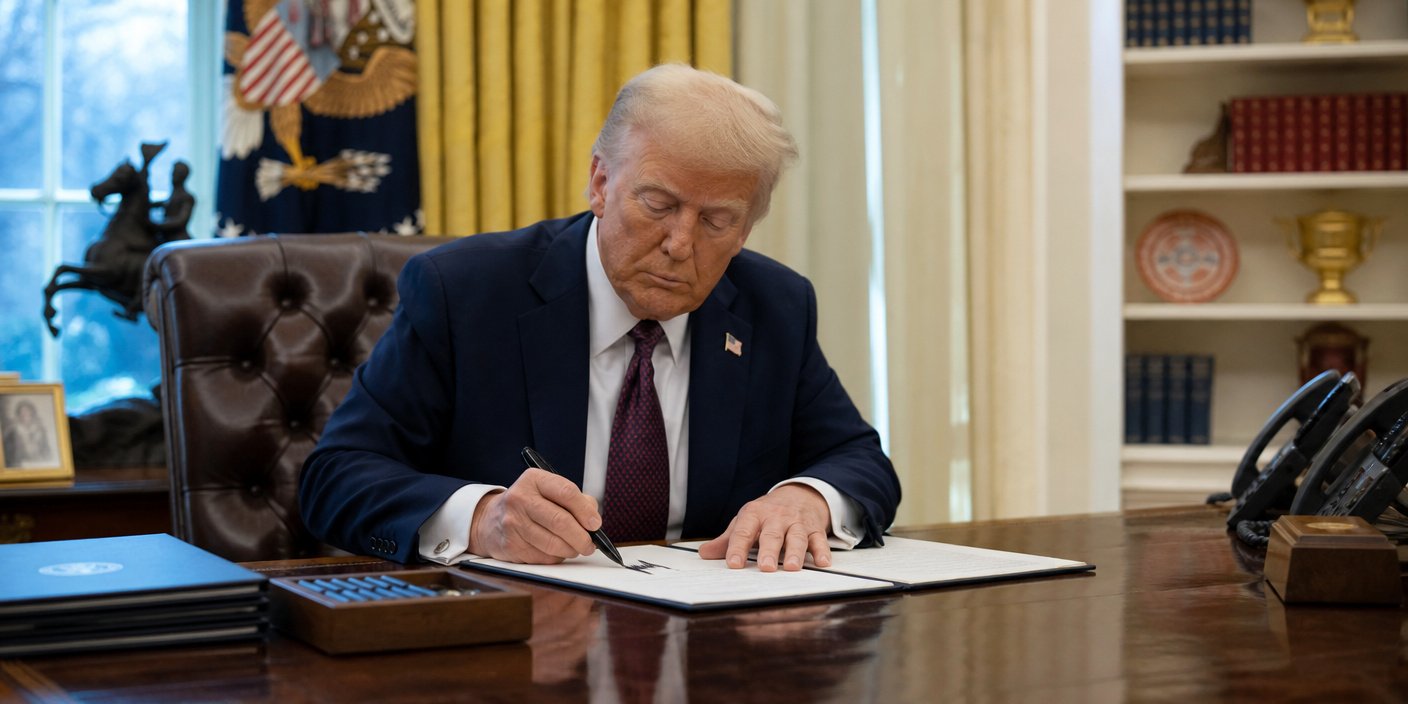
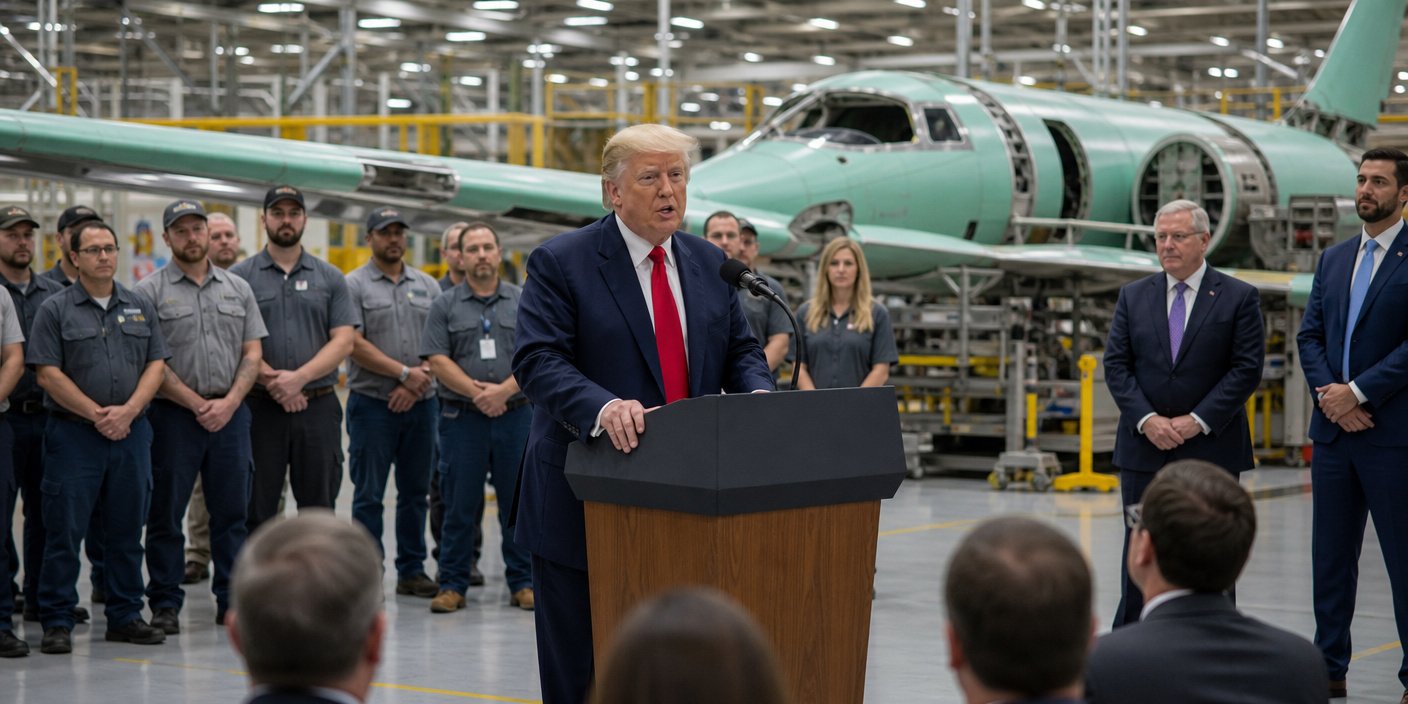
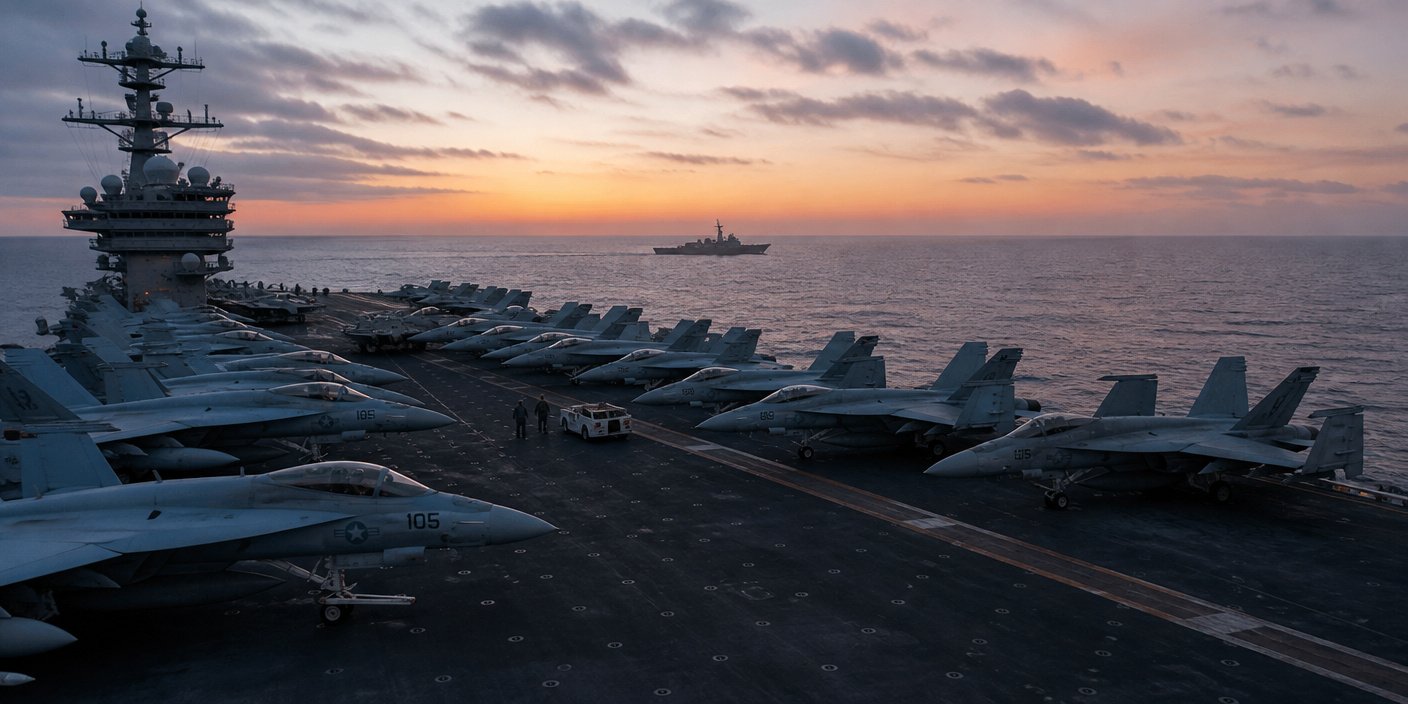
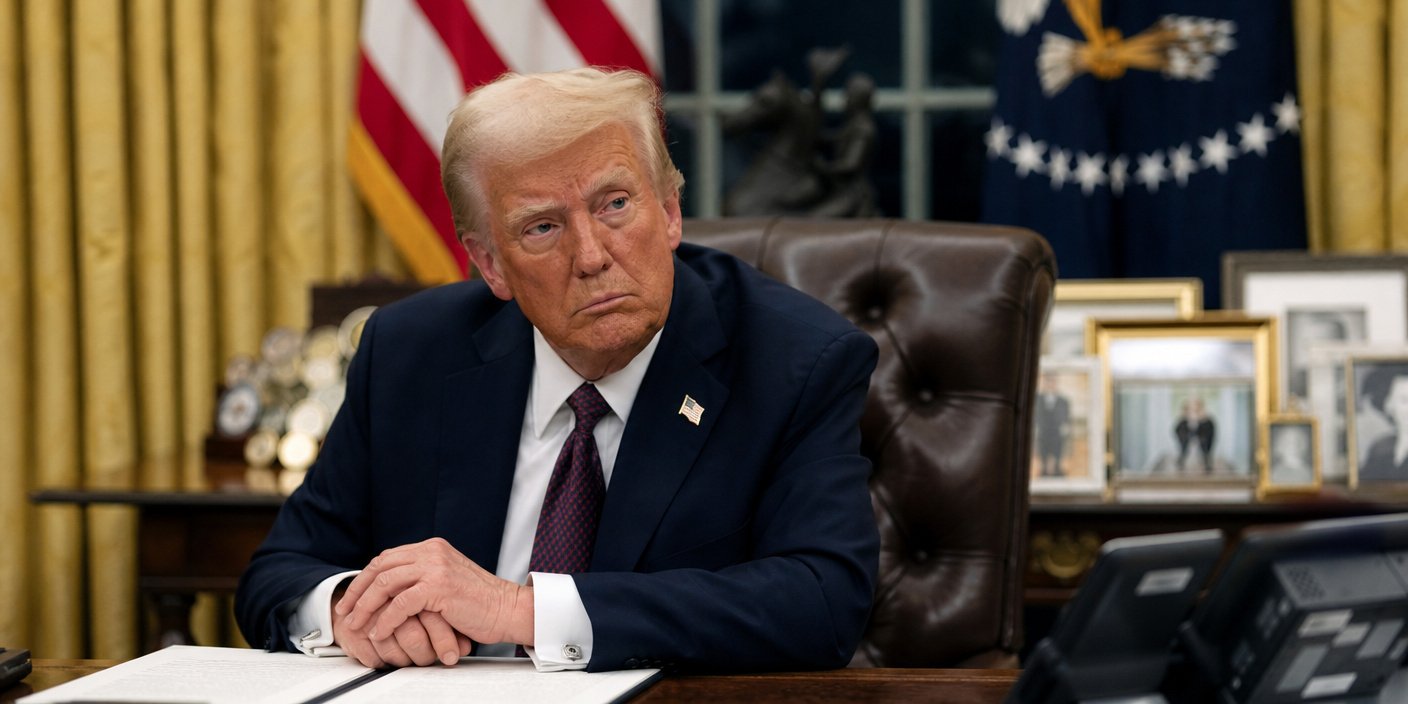
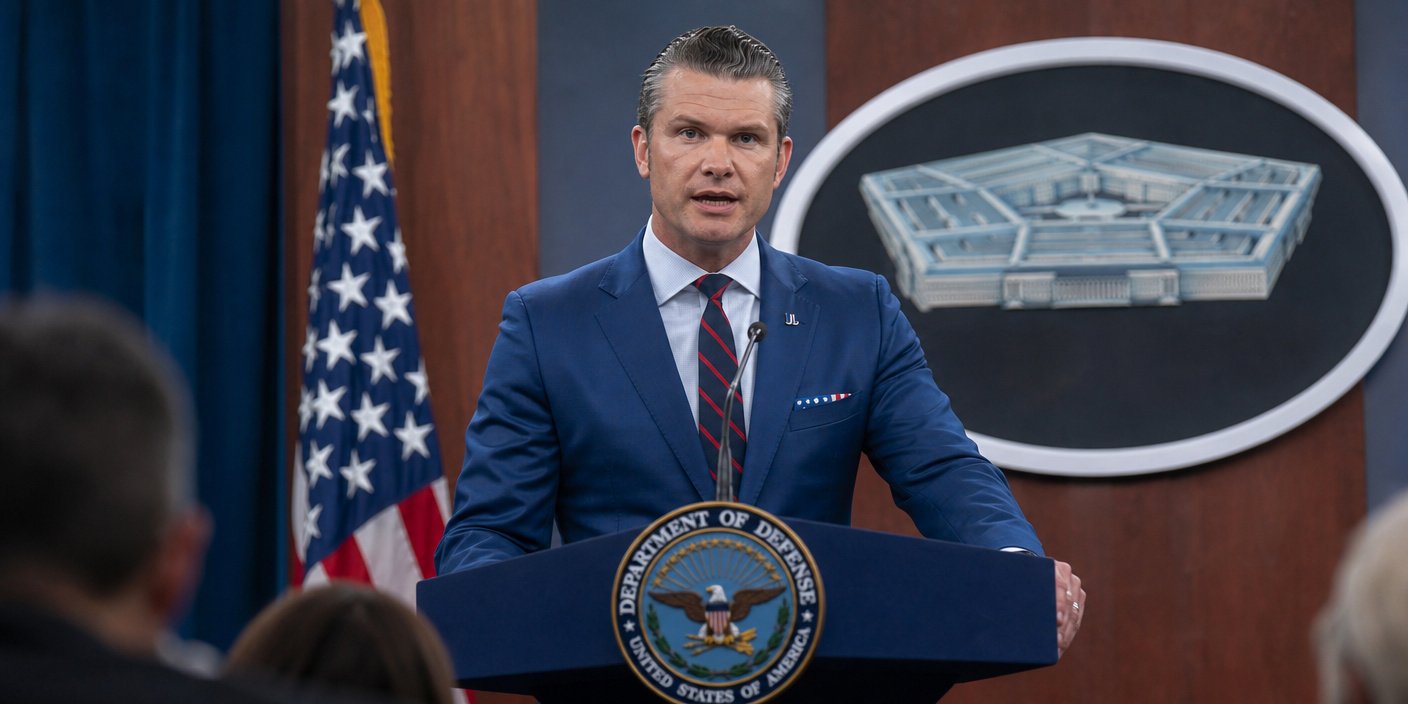
President Donald Trump announced today that he has called off further military strikes against Iran, citing significant progress in ongoing diplomatic efforts to de-escalate tensions and secure a peace deal. The decision marks a significant pivot in U.S.-Iran relations, moving away from a path of military confrontation towards a potential diplomatic breakthrough.
Key Highlights:
- President Trump confirmed the cancellation of imminent military actions against Iran.
- The decision is based on “tangible progress” in ongoing peace negotiations.
- This move signals a de-escalation of tensions and a focus on diplomatic solutions.
- International reactions are cautiously optimistic, emphasizing the need for sustained dialogue.
Diplomatic Breakthrough on the Horizon
President Trump’s unexpected announcement today has sent ripples through international diplomacy, as the United States appears to be stepping back from the brink of military conflict with Iran. In a statement released this morning, the President declared that “progress has been made on a peace deal that is beneficial for all parties,” leading him to halt further planned strikes against Iranian targets. This strategic shift underscores a commitment to resolving the long-standing hostilities through dialogue rather than force, a move that has been met with a mixture of relief and cautious optimism from global leaders and analysts.
The Path to De-escalation
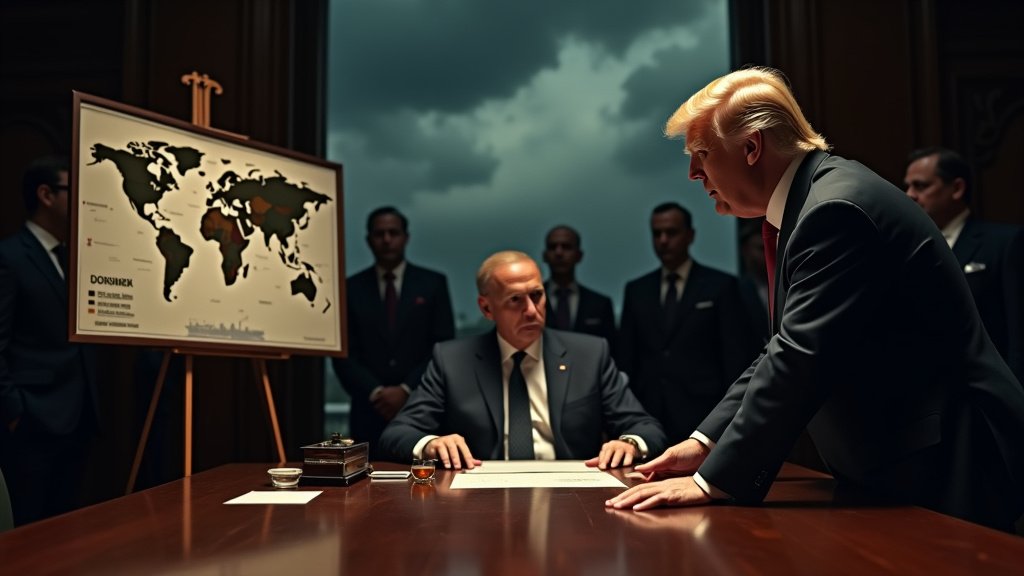

The decision comes after a period of heightened tensions, including the downing of a U.S. drone and retaliatory cyberattacks. Sources close to the White House indicate that a series of back-channel communications, facilitated by intermediaries, had been underway for several weeks. These discussions reportedly focused on a range of issues, including Iran’s nuclear program, regional stability, and sanctions relief. The “progress” mentioned by President Trump is believed to stem from these confidential talks, which have apparently yielded concessions from both sides, creating an environment conducive to a broader peace agreement.
International Reactions and Implications
Global reaction has been swift, with many nations commending the President’s decision to prioritize diplomacy. The United Nations Secretary-General, António Guterres, issued a statement calling the move “a crucial step towards averting wider conflict” and urged all parties to “seize this opportunity for sustained and meaningful dialogue.” European allies, who have consistently advocated for a diplomatic resolution, have expressed their support and offered to assist in facilitating further negotiations. However, some hardline factions within both countries have voiced skepticism, emphasizing the deep-seated mistrust and the long road ahead in achieving a lasting peace.
Looking Ahead: The Future of U.S.-Iran Relations
The implications of this diplomatic pivot are far-reaching. A successful peace deal could reshape the geopolitical landscape of the Middle East, potentially leading to increased regional stability and economic cooperation. It could also involve the easing of international sanctions on Iran, which have had a significant impact on its economy. The focus now shifts to the specifics of the proposed peace deal and the ability of both nations to navigate the complex challenges that lie ahead. The success of this initiative will hinge on continued communication, transparency, and a mutual commitment to de-escalation.
FAQ: People Also Ask
What led to the initial tensions with Iran?
Recent tensions have been fueled by a variety of factors, including Iran’s nuclear program, its ballistic missile development, support for regional proxy groups, and specific incidents like the downing of a U.S. drone and alleged attacks on oil tankers.
Who were the intermediaries in the peace talks?
While details remain scarce due to the confidential nature of the negotiations, reports suggest that Oman and other neutral third-party nations played a role in facilitating communication between the U.S. and Iran.
What are the potential benefits of a peace deal?
A successful peace deal could lead to de-escalation of military tensions, improved regional stability, potential economic benefits through sanctions relief for Iran, and a renewed focus on diplomatic solutions for other complex issues.
What are the risks associated with this diplomatic approach?
Risks include the potential for stalled negotiations, the possibility that concessions might be perceived as weakness by hardliners, and the complex challenge of verifying compliance with any agreement. There is also the risk of setbacks if specific incidents reignite tensions.
What is the U.S. government’s official stance on Iran’s nuclear program?
The official U.S. stance has historically been to prevent Iran from acquiring nuclear weapons, often through diplomatic means, sanctions, and international cooperation, while also addressing concerns about its missile program and regional activities.