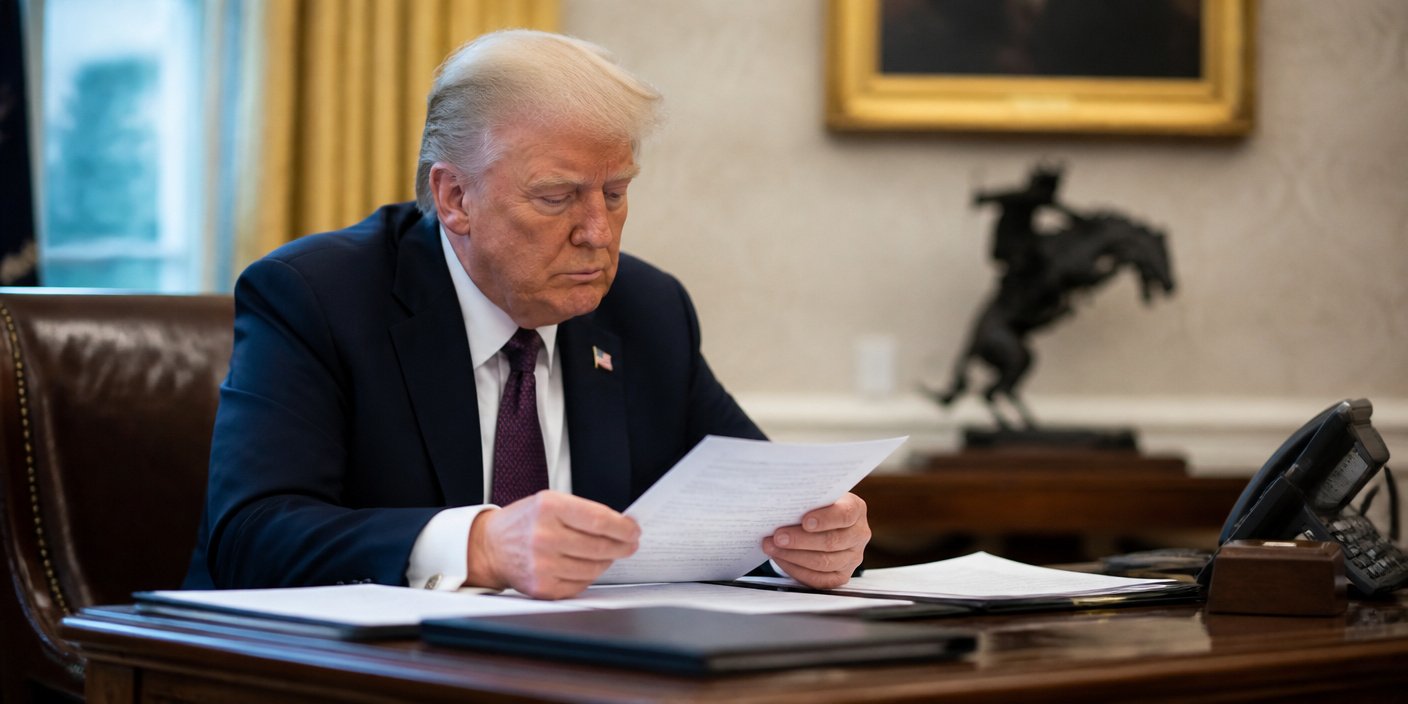
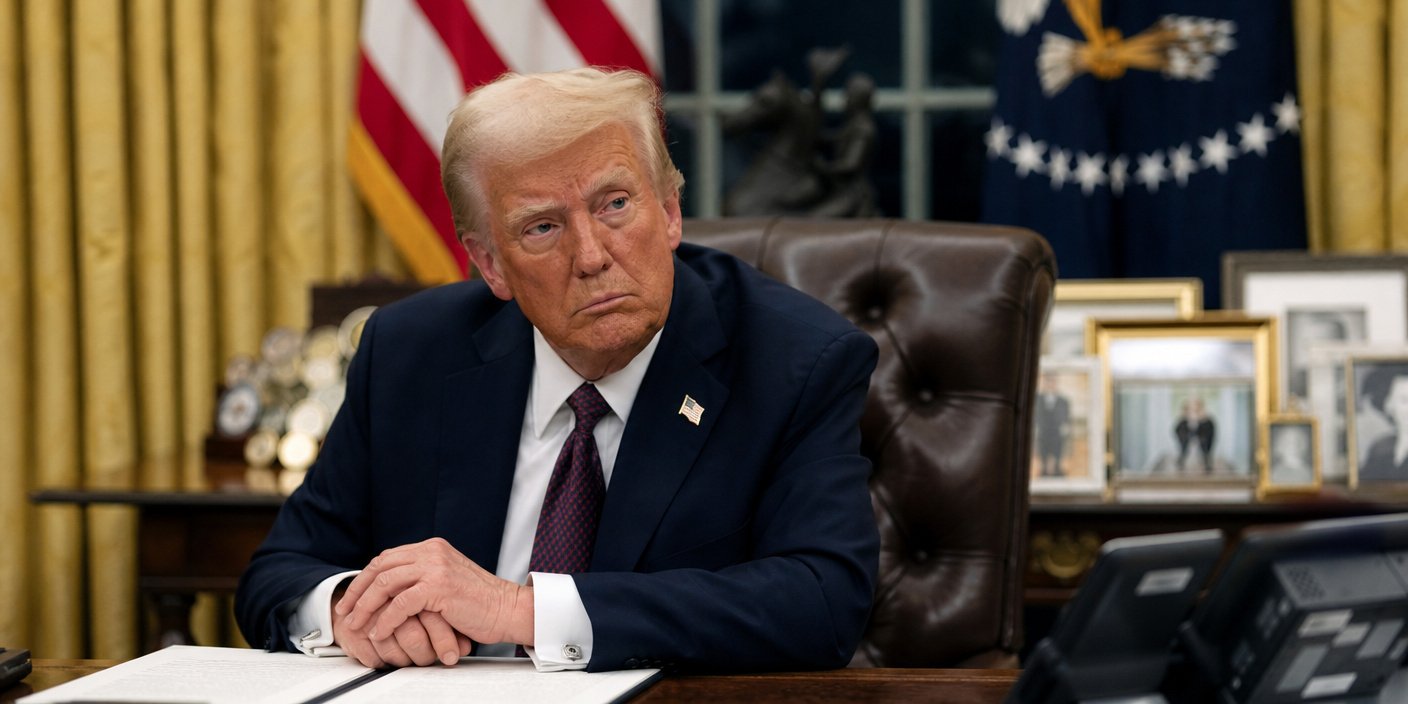
Washington D.C. — Addressing a joint session of Congress on March 5, 2025, former President Donald Trump used the prominent platform to forcefully articulate his stance on cultural issues, including sharp rhetoric regarding transgender rights. The address unfolded against a backdrop of mounting national anxiety over rising concerns about inflation, a pressing economic challenge that polls suggest remains a top priority for many Americans.
In his speech, Mr. Trump reiterated his long-held position asserting the existence of only two genders. He went further, declaring his explicit intention to pursue legislation aimed at criminalizing sex changes for children. This focus on socially conservative policies signals a strategic emphasis on mobilizing key segments of his political base, even as economic indicators point to growing consumer and market pressures.
Cultural Battle Lines Drawn
The decision to prominently feature cultural flashpoints, particularly transgender rights and the medical treatment of minors, underscores a persistent theme in Mr. Trump’s political messaging. By framing these issues in stark terms – specifically calling for the criminalization of sex changes for children and reiterating his belief in only two genders – the former president appeared to be doubling down on debates that animate his core supporters and spark significant public debate.


Supporters view this stance as a defense of traditional values and parental rights, arguing that medical interventions related to gender identity for minors are inappropriate. Critics, however, contend that such rhetoric and proposed policies infringe upon the rights of transgender individuals and their families, potentially harming vulnerable youth.
The Shadow of Economic Anxiety
The backdrop to the President’s culturally focused address was the widely reported environment of rising concerns about inflation. Throughout late 2024 and early 2025, economists and consumers alike have voiced increasing unease regarding the persistent upward trajectory of prices for goods and services across the economy. This economic climate often demands a strong focus from political leaders on fiscal and monetary strategies aimed at stabilization and relief for households facing shrinking purchasing power.
Despite the prevailing economic mood, Mr. Trump’s speech dedicated significant time and emphasis to the cultural issues previously outlined. While he did touch upon economic matters, the prominent placement and passionate delivery of his remarks on social topics suggested a deliberate choice in prioritizing his message.
Economic Proposals Meet Skepticism
When addressing the economy, the former president outlined proposals that have been central to his past and present platforms. These included calls for increasing energy drilling and implementing significant cutting taxes. The argument typically put forward is that boosting domestic energy production reduces costs, while tax reductions stimulate economic activity and growth.
However, according to analysis surrounding the speech, there appears to be considerable public skepticism regarding Trump’s proposed solutions to inflation. Many voters, reportedly, express doubting his focus on rising prices. This perceived disconnect between the former president’s proposed remedies and the public’s primary economic concern – the direct impact of inflation on their daily lives – represents a potential challenge to the resonance of his economic message.
Critics of his economic approach argue that simply increasing energy drilling might not swiftly or significantly reduce consumer energy costs in the short term, given global market dynamics and energy infrastructure constraints. Similarly, concerns are often raised that broad cutting taxes, particularly without corresponding spending adjustments, could potentially exacerbate inflationary pressures by increasing the money supply or government debt.
A Campaign Focus Defined?
The March 5, 2025, address to Congress, therefore, served as a key moment for Mr. Trump to articulate his vision. The speech highlighted a strategy that seemingly prioritizes cultural issues, such as transgender rights and the proposal to criminalize sex changes for children, as central tenets of his platform, even as the nation grapples with the tangible economic burden of rising concerns about inflation.
The reported public skepticism and voter doubt regarding his focus on the immediate problem of rising prices, despite his proposals for increasing energy drilling and cutting taxes, suggest that the effectiveness of this blended message – heavily leaning on culture during an economic downturn – will be a significant factor in the ongoing political landscape heading deeper into 2025.