Vice President JD Vance has touched down in Islamabad for urgent, high-level talks with Iranian representatives, signaling a desperate U.S. push to stabilize a fracturing Middle East ceasefire. The meeting, brokered by Pakistani authorities, represents the most significant diplomatic encounter between the two nations since the conflict erupted more than a month ago. As security forces lockdown the Pakistani capital, the global community watches closely to see if the U.S. delegation can secure a durable peace or if the current pause in hostilities is destined to collapse.
Key Highlights
- Diplomatic Intervention: U.S. Vice President JD Vance leads a high-level delegation in Islamabad to mediate with Iranian officials, including Parliament Speaker Mohammad Bagher Qalibaf.
- Fragile Ceasefire: The talks arrive at a critical tipping point as the ceasefire—brokered by Pakistan—faces immense pressure from ongoing skirmishes on the Lebanon border.
- Make-or-Break Negotiations: Pakistani Prime Minister Shehbaz Sharif has described the current situation as a defining “difficult phase,” emphasizing that the discussions serve as a final effort to shift from temporary fighting pauses to a permanent settlement.
- Strict Preconditions: Iranian delegates have conditioned their participation on the release of blocked assets and an immediate, comprehensive ceasefire in Lebanon, setting a high bar for the U.S. team.
The Islamabad Summit: Navigating a Fragile Peace
The choice of Islamabad as the neutral ground for these pivotal negotiations is not merely logistical; it is a calculated geopolitical move. Pakistan, having emerged as a key mediator in this conflict, is leveraging its diplomatic capital to bridge the vast divide between Washington and Tehran. As JD Vance lands in a city that has effectively ground to a halt under a massive security blanket, the weight of the moment is palpable. The streets, usually teeming with life, are under a virtual curfew, reflecting the gravity of the discussions occurring behind closed doors.
The Anatomy of the Standoff
At the core of the impasse is a fundamental divergence in objectives. The United States is seeking a verifiable, long-term ceasefire that limits regional escalation and protects its allies in the Middle East. Conversely, the Iranian delegation, led by Parliament Speaker Mohammad Bagher Qalibaf, has adopted a hardline stance. Qalibaf has explicitly stated via public channels that any meaningful progress is predicated on two non-negotiable demands: a total cessation of hostilities in Lebanon and the release of frozen Iranian financial assets.
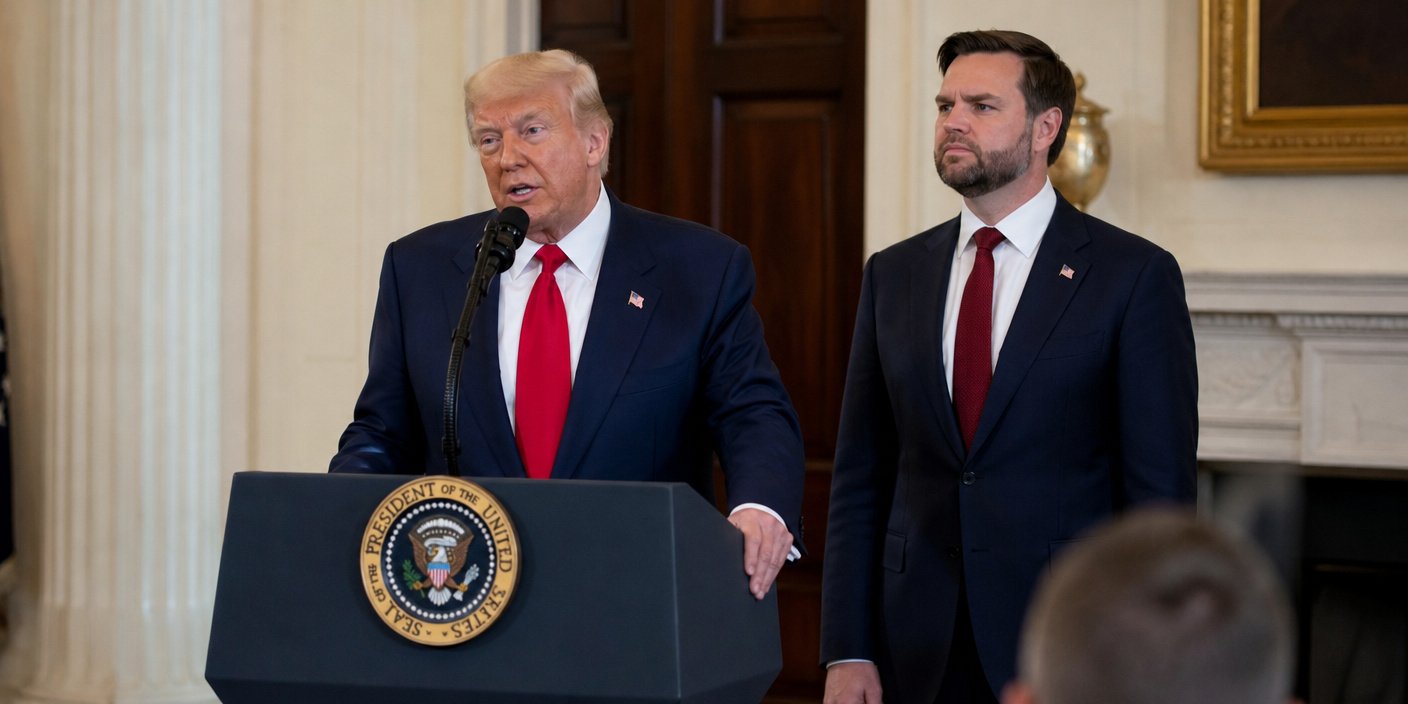
This “all-or-nothing” approach creates a claustrophobic negotiating environment. Vance’s challenge is to navigate these demands without appearing weak or yielding too much ground, particularly under the scrutiny of President Donald Trump, who has already signaled his skepticism regarding the negotiations. The President’s public comments—wishing Vance luck while simultaneously calling the opposition “militarily defeated”—underscore the internal pressure Vance faces to deliver results without compromising American leverage.
Pakistan’s Strategic Role as Mediator
Pakistan’s Prime Minister Shehbaz Sharif has characterized this moment as a “make-or-break” threshold. For Islamabad, facilitating these talks is a delicate balancing act. By hosting the U.S. and Iranian delegations, Pakistan is attempting to position itself as a stabilizing force in South Asia and the broader Middle East. However, the risk is substantial. If the talks fail, the regional instability could spill over into Pakistan’s own borders, which are already strained by internal economic challenges and regional security threats.


Historians and political analysts observing the event note that Pakistan has played this role before, yet rarely with such high stakes. The success of these talks depends on whether Pakistan can convince both parties that a frozen conflict is better than an open war. This requires intense pressure on both Washington to address the economic demands and Tehran to curtail its influence over regional militant proxies, specifically along the Lebanese border.
The Impact of Regional Instability
Beyond the diplomatic table, the reality on the ground remains volatile. As the talks convene, clashes continue along the Lebanon-Israel border. These skirmishes serve as a grim reminder of why this meeting is necessary. The violence acts as a thermometer for the ceasefire’s health; every rocket fire and retaliatory strike erodes the trust required for these diplomatic maneuvers.
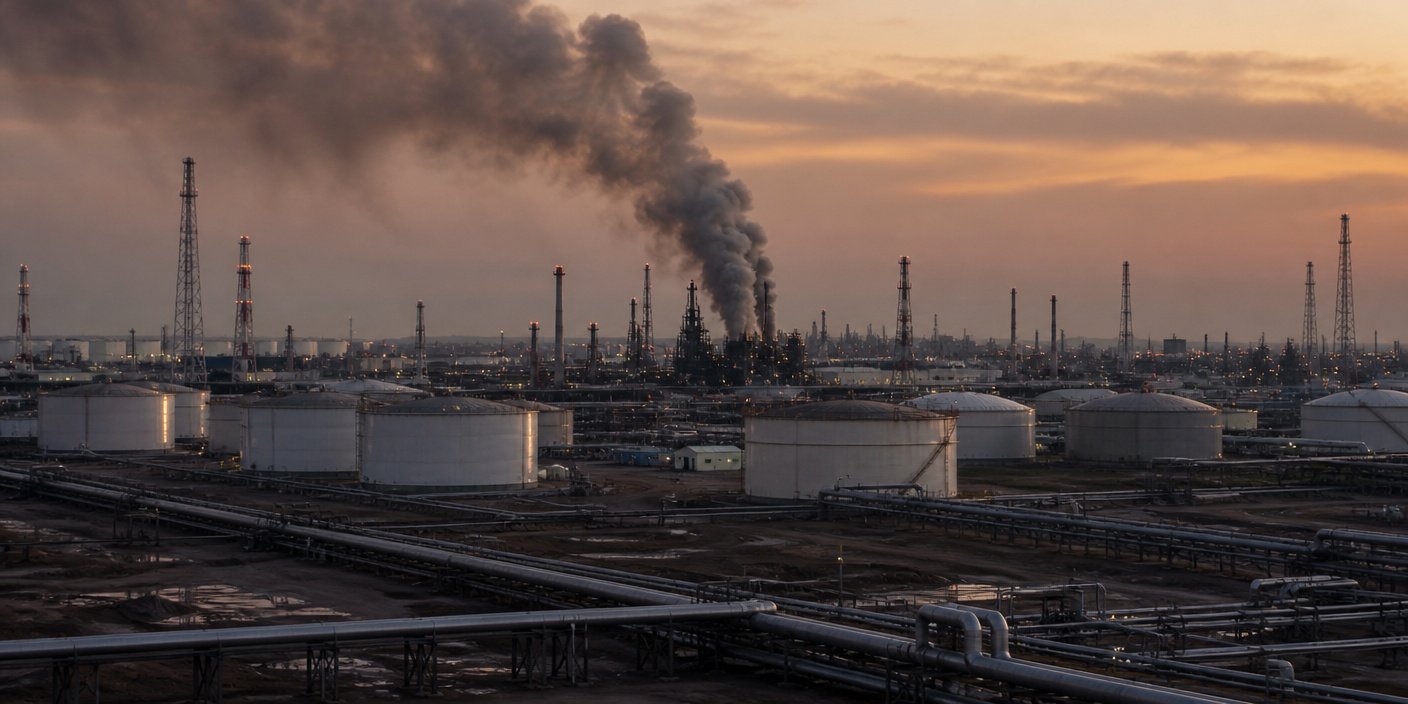
Economic implications are also looming large. Global energy markets remain jittery, reacting to every snippet of news emanating from Islamabad. A failure to secure peace would likely trigger a surge in oil prices and further destabilize an already fragile global supply chain. For the U.S., securing a ceasefire is not just a moral or strategic imperative, but an economic one, aimed at calming the markets and preventing a broader, more costly engagement in the Middle East.
Looking Toward the Future: The Prognosis
As the delegations settle into the discussions, the question remains: is a lasting peace achievable? The current posture of both the U.S. and Iranian teams suggests that they are entering the talks with significant reservations. Vance’s warning that the negotiating team is “not that receptive” to being “played” signals a U.S. desire to maintain a position of strength.
If the Islamabad summit concludes without a clear path forward, the risk of a regional conflagration increases exponentially. The international community is watching for signs of compromise—perhaps a phased release of assets in exchange for verifiable steps to demilitarize the border. However, in the absence of such concessions, the most likely outcome is a continuation of the status quo: a cycle of sporadic violence punctuated by failed diplomatic efforts.
This event is not just a meeting of diplomats; it is a test of the efficacy of 21st-century diplomacy. With the U.S. influence contested and Iranian resolve hardening, the outcome of this weekend’s talks will define the trajectory of Middle Eastern security for the remainder of the decade.
FAQ: People Also Ask
Q: Why was Pakistan chosen as the location for these talks?
A: Pakistan has maintained a unique position of neutrality in the current conflict, allowing it to act as a bridge between U.S. interests and Iranian diplomatic channels. Its strategic location and historical ties with both the West and Middle Eastern powers make it a viable, albeit complex, mediator.
Q: What are the primary demands of the Iranian delegation?
A: The Iranian delegation, led by Mohammad Bagher Qalibaf, has demanded a complete ceasefire in Lebanon and the unfreezing of blocked Iranian assets as prerequisites for any substantial negotiations.
Q: What is the significance of the security lockdown in Islamabad?
A: The massive security presence, including sealed roads and city-wide restrictions, highlights the high-risk nature of the summit and the intense pressure on the Pakistani government to ensure the safety of the visiting delegations and prevent any disruptive events.
Q: How has the U.S. government responded to the potential for these talks?
A: The U.S. administration, through Vice President Vance and President Trump, has expressed a cautious willingness to negotiate while maintaining a firm stance that they will not be coerced or “played” by the Iranian side.