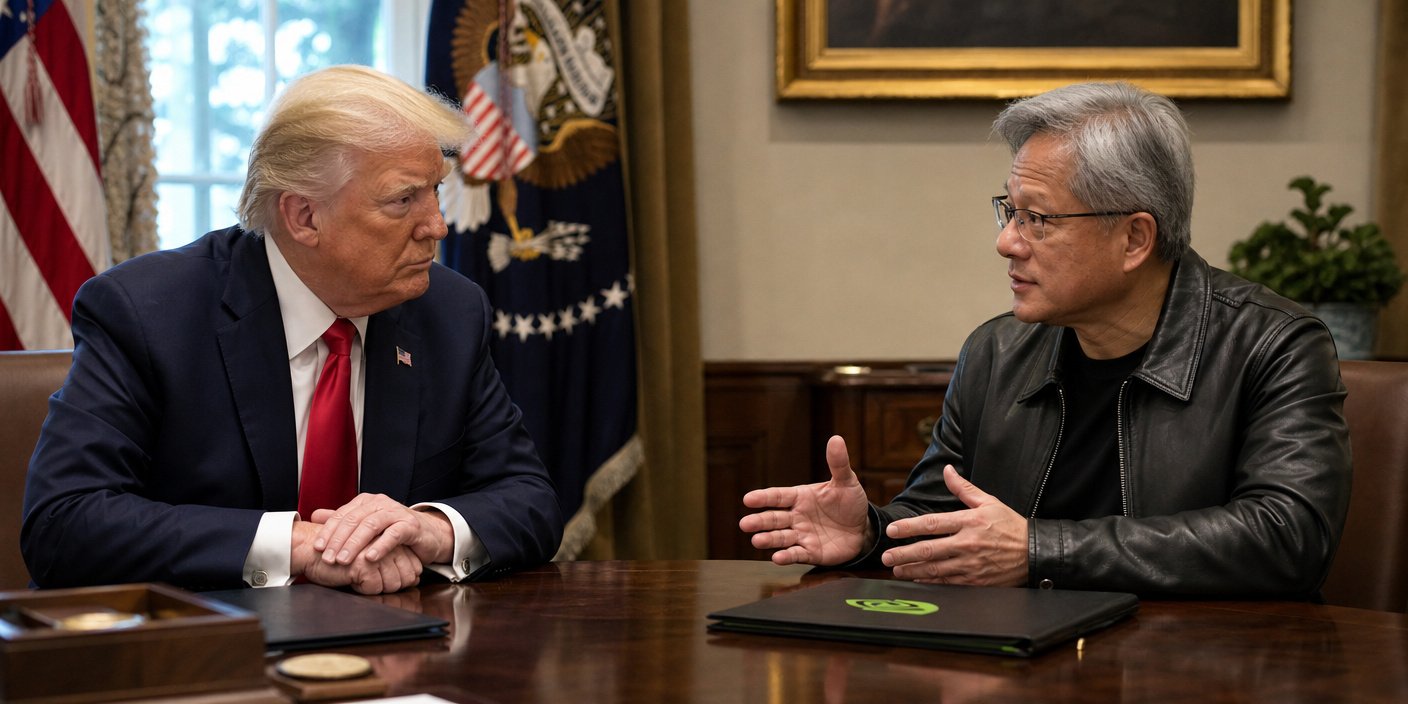
In a private ceremony held at the White House on December 11, 2020, President Donald Trump bestowed the Presidential Medal of Freedom upon former New York City Mayor Rudy Giuliani. The event served to formally recognize Giuliani’s extensive career in public service, with a specific focus on his leadership during the aftermath of the September 11 terrorist attacks. The ceremony took place during the waning weeks of the Trump presidency, highlighting the administration’s final official acts and honors.
Key Highlights
- The Award: The Presidential Medal of Freedom is the highest civilian honor in the United States, established by President John F. Kennedy in 1963 to recognize individuals who have made exceptionally meritorious contributions to the security or national interests of the U.S.
- Ceremony Details: The event occurred on December 11, 2020, within the White House, serving as a private acknowledgment of Giuliani’s decades of service to New York City and the nation.
- Public Leadership: President Trump’s citation emphasized Giuliani’s tenure as mayor (1994–2001) and his highly publicized response and stabilization efforts following the 9/11 attacks, which earned him the moniker “America’s Mayor.”
- Historical Context: The honor recognized a career that spanned roles as a U.S. Attorney, Mayor of the nation’s largest city, and, more recently, legal counsel to the President.
Examining the Legacy of Public Service and Presidential Honors
The bestowal of the Presidential Medal of Freedom has historically been viewed as a mechanism for presidents to define and canonize the legacies of figures they deem instrumental to the American story. When President Trump awarded the medal to Rudy Giuliani in December 2020, it reignited conversations about the intersection of political loyalty, public service, and executive authority.
The Architecture of the Award
Understanding the weight of this honor requires context. Since its inception via Executive Order 11085, the Presidential Medal of Freedom has been awarded to a diverse array of individuals, ranging from civil rights leaders and athletes to politicians and artists. The criteria allow for broad interpretation by the sitting president: recipients must have made an “especially meritorious contribution to the security or national interests of the United States, to world peace, or to cultural or other significant public or private endeavors.”
By selecting Giuliani, the Trump administration grounded its justification in the narrative of the post-9/11 era. Giuliani, who served as the 107th Mayor of New York City, was a defining figure in the city’s recovery efforts. Supporters of the award point to his management of New York during one of the most turbulent times in American history, citing his ability to project strength and stability in the immediate wake of the 2001 attacks. To these supporters, the medal was a fitting, if delayed, recognition of a public servant who became a global symbol of American resilience.
The NYC Tenure: Crime Reduction and Urban Management
Before the 2001 attacks, Giuliani’s mayoralty was defined by a aggressive approach to urban management. His administration implemented the “CompStat” system, a data-driven crime-tracking program that, while controversial in its methodology, is credited by many urban historians with contributing to the precipitous decline in New York City’s crime rates during the 1990s. This period of his career remains a case study in municipal governance. Giuliani focused heavily on “broken windows” policing, a theory suggesting that addressing minor infractions prevents major crimes. This policy framework arguably reshaped the landscape of American urban policing for the next two decades, making his tenure a pivotal chapter in modern administrative history.


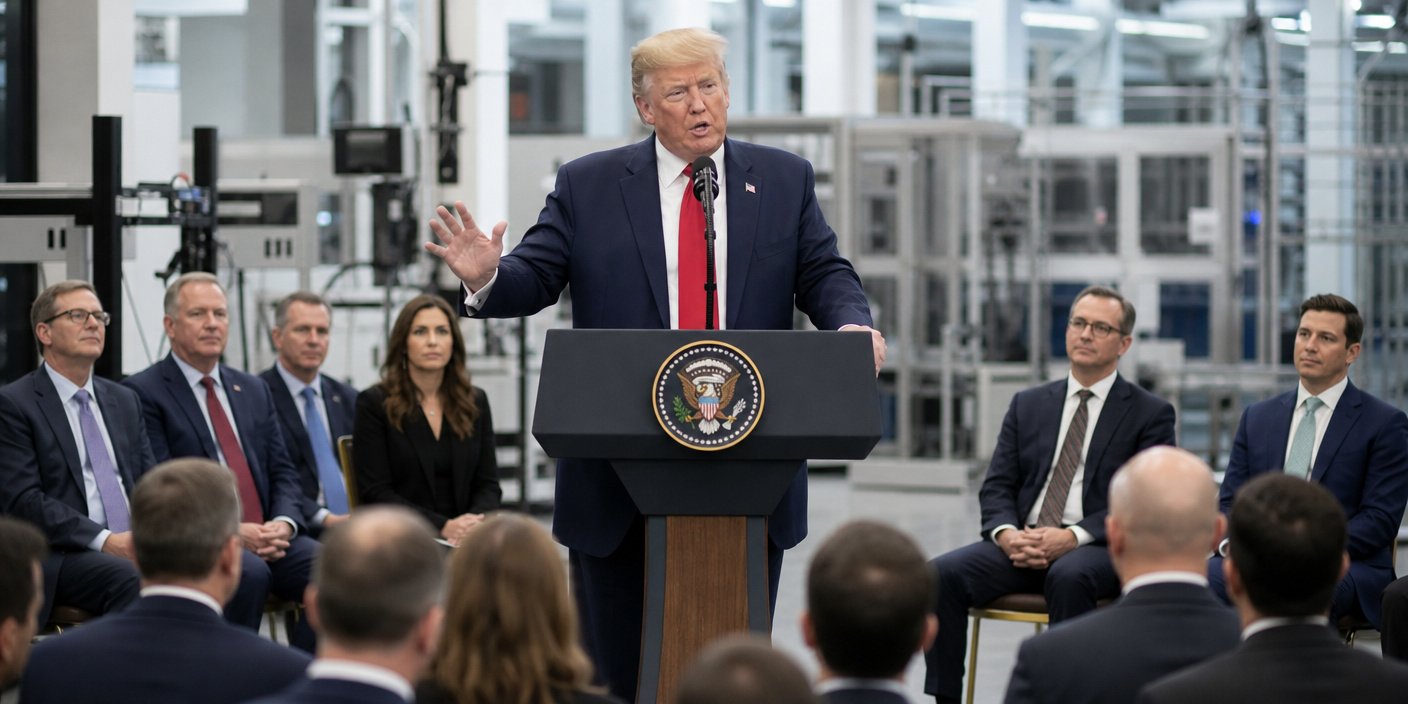
However, the legacy of this era remains a subject of intense sociological and political debate. Critics frequently cite the impact of his policies on marginalized communities and the civil liberties concerns that arose from his aggressive policing tactics. When analyzing his public service, historians must balance these statistical achievements in crime reduction against the sociopolitical friction that defined his two terms in City Hall.
The Intersection of Legal Counsel and Political Loyalty
By 2020, Giuliani’s professional role had evolved from that of a city executive to a central figure in the Trump administration’s legal and political orbit. The timing of the medal ceremony—coming amidst the high-pressure environment of the 2020 post-election period—led many analysts to view the event through a contemporary political lens rather than purely as a retrospective on his 9/11 leadership.
In Washington, presidential actions in the final weeks of a term are often scrutinized for their symbolic weight. The awarding of the medal served as a solidification of the bond between the two men. It signaled the President’s commitment to rewarding those who stood by his administration, reinforcing the concept that loyalty within the executive branch and its allies is highly valued and publicly rewarded. This dynamic underscores a persistent theme in American politics: the use of executive power not just for policy implementation, but for the curation of a specific political narrative that validates specific alliances.
A Historical Duality
Perhaps the most compelling aspect of Giuliani’s career is the stark duality it presents. For one segment of the American public, he remains the steadfast leader who walked the streets of lower Manhattan in the dust and ash of the World Trade Center, representing courage. For another segment, his subsequent legal and political advocacy on behalf of Donald Trump redefined his image entirely. The Presidential Medal of Freedom, by definition, is meant to be a historical snapshot of service. Yet, in the case of Rudy Giuliani, the timing of the award forced a collision between his past achievements and his contemporary political activities. This conflict ensures that his legacy remains complex and deeply contested, serving as a reminder that honors bestowed by the executive branch are rarely viewed in a vacuum.
Ultimately, the December 2020 ceremony remains a vital piece of the archival record for the Trump presidency. It encapsulated a worldview that prioritized decisive leadership and the rewarding of long-term political partnerships. As historians analyze the trajectory of the early 21st century, the awarding of this medal will likely be cited as a pivotal moment that highlighted the changing nature of political symbolism in the United States, bridging the gap between the crisis-management leadership of the early 2000s and the polarized partisanship that characterized the latter part of the decade.
FAQ: People Also Ask
1. What is the Presidential Medal of Freedom?
It is the nation’s highest civilian honor, awarded by the President of the United States to individuals who have made significant contributions to the security, national interests, world peace, or cultural endeavors of the country.
2. When did Rudy Giuliani receive the medal?
President Donald Trump awarded the medal to Rudy Giuliani in a private ceremony at the White House on December 11, 2020.
3. Why was Giuliani awarded the medal?
The administration cited his extensive career in public service, highlighting his time as the 107th Mayor of New York City and his leadership efforts following the September 11 terrorist attacks.
4. Is the Presidential Medal of Freedom limited to politicians?
No. It is awarded to a wide range of recipients, including athletes, actors, civil rights activists, scientists, and philanthropists, regardless of their political affiliation or professional background.