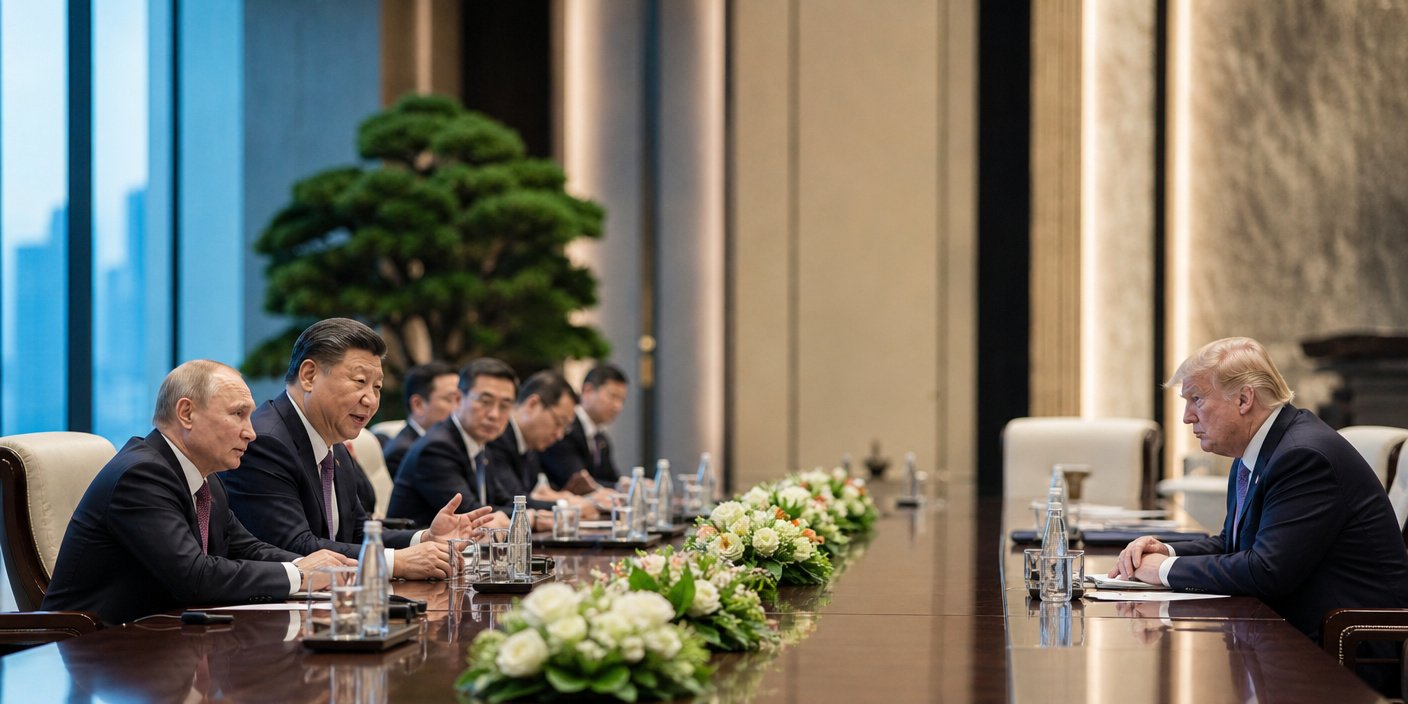
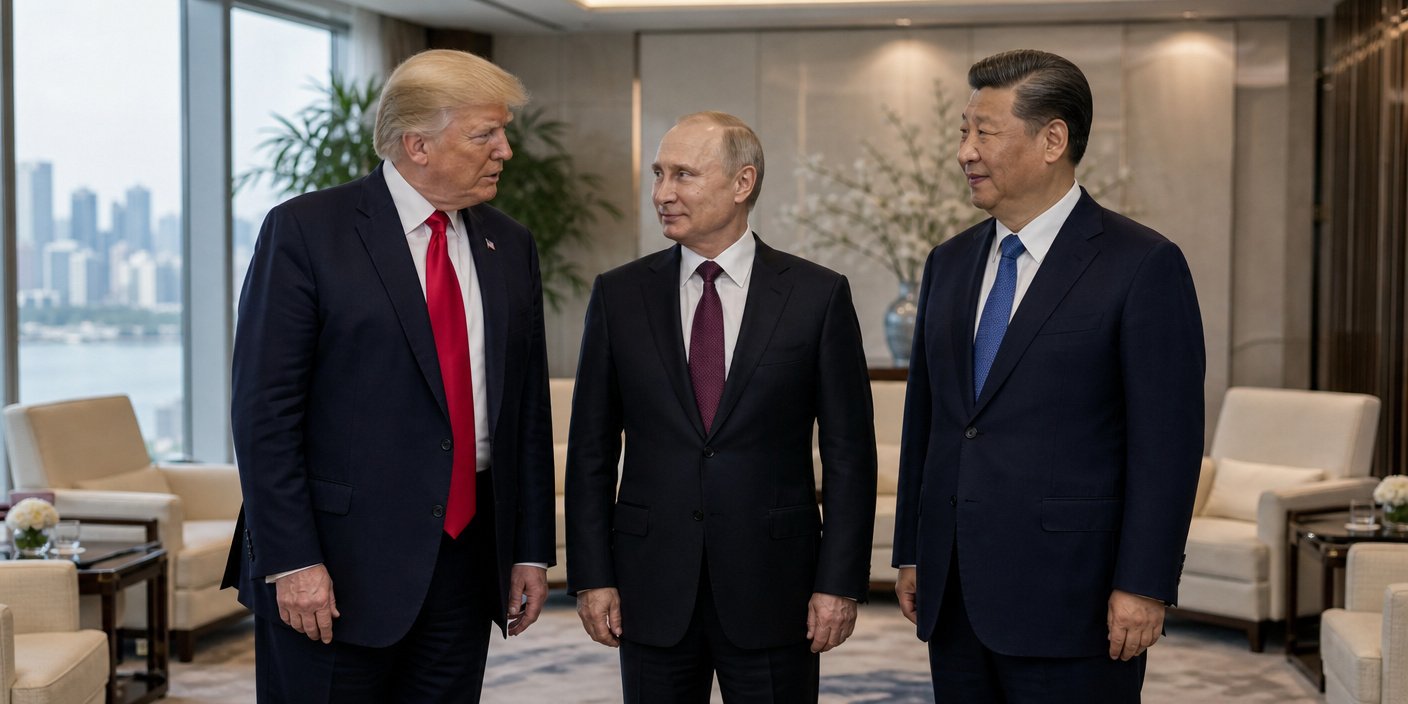
President Trump has officially paused the looming threat of 25% tariffs on Canadian imports, opting for a tactical negotiation window that prioritizes border security and trade efficiency over immediate economic penalties. This diplomatic shift is accompanied by a significant policy signal: a desire to revisit and potentially revive the Keystone XL oil pipeline project. By decoupling the immediate threat of trade barriers from ongoing negotiations, the administration is maneuvering to secure concessions on the border while simultaneously aiming to bolster North American energy independence through the controversial, long-stalled pipeline infrastructure.
Key Highlights
- Tariff Pause: The administration has suspended the planned 25% tariff on Canadian goods, contingent on progress in ongoing border security and drug interdiction discussions.
- Keystone XL Revival: President Trump has explicitly indicated his intention to review the Keystone XL pipeline project, which was halted by the Biden administration in 2021 via executive order, citing its potential to bolster North American energy output.
- Strategic Leverage: The administration is utilizing the threat of trade barriers as a mechanism to force discussions on fentanyl trafficking and unauthorized border crossings.
- Economic Integration: Analysts suggest the shift recognizes the heavy interdependency between U.S. refineries and Canadian heavy crude oil, which remains essential to regional fuel stability.
A Strategic Recalibration: Tariffs and Border Diplomacy
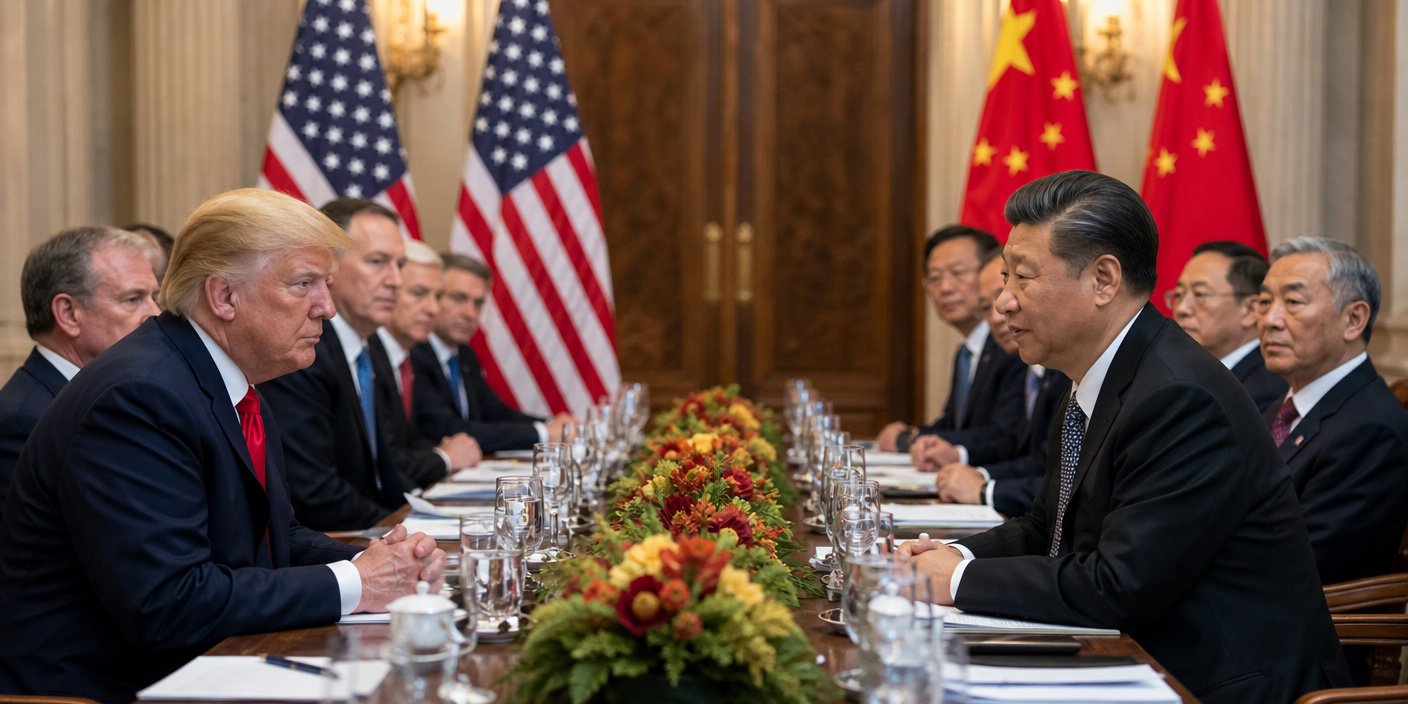
The decision to hit pause on the threatened 25% tariffs against Canada represents a nuanced pivot in the Trump administration’s ‘America First’ trade strategy. Initially, the threat was framed as a blunt instrument to address the flow of illegal narcotics, specifically fentanyl, and unauthorized individuals across the northern border. By opting for a pause rather than implementation, the White House is signaling a preference for diplomatic coercion over immediate economic disruption. This delay provides critical breathing room for Canadian officials to address U.S. concerns regarding border management, potentially avoiding a trade war that would have significantly impacted the integrated supply chains of the USMCA (United States-Mexico-Canada Agreement).
For North American manufacturing, this pause is a vital reprieve. The U.S. and Canada share one of the world’s most integrated trade relationships, with massive cross-border flows of raw materials, automotive parts, and energy commodities. A blanket 25% tariff would have likely induced inflationary pressure, raising costs for American consumers and businesses that rely on Canadian steel, aluminum, and manufacturing components. The administration’s move suggests an acknowledgment that total economic separation from a primary trading partner presents systemic risks that may outweigh the immediate political optics of protectionist tariffs.
The Keystone XL Pivot: Energy as a Geopolitical Tool
Perhaps the most consequential aspect of this news is the explicit mention of reviving the Keystone XL pipeline. The project, which was proposed by TC Energy (formerly TransCanada), has been a lightning rod for environmental policy debates for over a decade. When the Biden administration signed an executive order revoking the presidential permit for the pipeline on January 20, 2021, it effectively ended the project’s development, citing environmental concerns and a transition toward renewable energy. Trump’s interest in restarting the project marks a direct reversal of that policy, framing energy infrastructure not just as an economic endeavor, but as a pillar of national security.



The pipeline is designed to transport crude oil from the Western Canadian Sedimentary Basin—specifically the oil sands of Alberta—down to the refining hubs in the U.S. Gulf Coast. Supporters of the pipeline argue that it provides a secure, reliable source of heavy crude that U.S. refineries require, reducing reliance on oil from hostile or volatile regions. By framing the Keystone XL as an ‘energy independence’ project, the administration is tapping into a core conservative priority: increasing domestic and North American oil production to lower gas prices and insulate the economy from global energy shocks.
Economic Implications and Future Negotiations
Looking ahead, the administration’s strategy appears to involve ‘linked negotiations.’ By keeping the threat of tariffs in the background while pushing for the Keystone XL, Trump is attempting to secure wins on two fronts: the border and the energy sector. Whether these negotiations succeed depends on the Canadian government’s willingness to align with U.S. demands without sacrificing domestic sovereignty or environmental commitments.
Furthermore, the revival of Keystone XL is not a simple administrative ‘flip of the switch.’ Legal challenges, environmental reviews, and state-level permits will likely require substantial time and litigation. The pipeline’s path traverses significant ecosystems and Native American lands, ensuring that any attempt to restart construction will be met with intense scrutiny and potential court battles. Nevertheless, by bringing the topic back to the forefront, the administration has successfully shifted the media and political narrative from potential trade conflict to energy development.
Market analysts are watching the Canadian dollar (CAD) and energy sector stocks closely. The combination of potential trade stability and the prospect of massive infrastructure spending is being interpreted as a net positive for market sentiment, provided the negotiation path remains open. However, the volatility inherent in this ‘threat-and-pause’ cycle means that both investors and trade partners must remain prepared for sudden policy shifts.
FAQ: People Also Ask
Q: Why was the Keystone XL pipeline originally cancelled?
A: President Biden revoked the cross-border permit for the Keystone XL pipeline on his first day in office in 2021, citing the climate crisis and the administration’s commitment to prioritizing renewable energy over fossil fuel infrastructure expansion.
Q: What were the specific tariff threats against Canada?
A: The administration had threatened a 25% tariff on all goods entering the U.S. from Canada and Mexico. This was largely positioned as a tool to pressure the neighbors into stricter enforcement of border security protocols and stopping the flow of fentanyl.
Q: Does Canada support the revival of the Keystone XL pipeline?
A: The Canadian government’s stance has historically been supportive of the pipeline, viewing it as a vital link for the country’s energy exports. However, regional politics within Canada, particularly concerning Indigenous consultations and environmental commitments, remain complex.
Q: How does this affect gas prices in the United States?
A: While the Keystone XL would theoretically increase the supply of oil to U.S. refineries, energy prices are determined by global markets. Proponents argue it increases long-term energy security, while critics contend it would take years to complete and have a negligible impact on immediate retail gasoline prices.