Skip to content
Trending
July 21, 2025Climate Crisis Fuels Global Food Price Surge, Scientists Warn April 7, 2026Anthropic Secures Massive TPU Compute in Broadcom-Google Deal April 13, 2026Paddington Sweeps 2026 Oliviers: A Marmalade-Filled Triumph April 23, 2026Journalist Amal Khalil Killed in Southern Lebanon Strike Amid Ongoing Conflict February 21, 2025US Stocks Plunge on Policy Uncertainty, Tariff Concerns Dent Business and Consumer Confidence December 24, 2025New ‘Trump-Class’ Battleships Unveiled: A New Era for American Naval Power August 29, 2025Julia Roberts Makes Triumphant Venice Debut with #MeToo-Themed Thriller ‘After the Hunt’ November 17, 2025SpaceX Successfully Launches Joint NASA-European Sea Level Monitor Sentinel-6B from Vandenberg May 25, 2025Five Years After George Floyd: Nationwide Remembrances Highlight Stalled Police Reform Amid Policy Shifts November 1, 2025November 1st: Federal Shutdown Threatens SNAP Benefits Amidst New Truck Tariffs
  • Home
  • Top Stories
  • National News
  • Health
  • Business
  • Tech & Innovation
  • Entertainment
  • Politics
  • Culture & Society
  • Crime & Justice
  • Editorial
  • Home
  • Top Stories
  • National News
  • Health
  • Business
  • Tech & Innovation
  • Entertainment
  • Politics
  • Culture & Society
  • Crime & Justice
  • Editorial
  • Blog
  • Forums
  • Shop
  • Contact
  Politics  House Approves $1.6 Trillion Funding Bill to Avert Shutdown, Faces Uncertain Path in Senate
Politics

House Approves $1.6 Trillion Funding Bill to Avert Shutdown, Faces Uncertain Path in Senate

priya Deshpandepriya Deshpande—March 11, 20257
FacebookX TwitterPinterestLinkedInTumblrRedditVKWhatsAppEmail

Washington D.C. – The United States House of Representatives on Tuesday, March 11, 2025, successfully passed a critical spending bill aimed at funding federal agencies through the remainder of the fiscal year, forestalling a potential partial government shutdown. The measure, formally known as the “Full-Year Continuing Appropriations and Extensions Act, 2025” (H.R. 1968), cleared the House in a tight 217-213 vote and now advances to the Senate, where its prospects remain less certain.

This legislation serves as a continuing resolution (CR), largely maintaining fiscal year 2024 funding levels to ensure government operations can continue uninterrupted until the fiscal year concludes on September 30, 2025. The bill allocates approximately $1.6 trillion in discretionary spending. This total is divided with an estimated $893 billion designated for defense programs and $708 billion for non-defense initiatives.

Understanding the Funding Levels

The spending levels represent a delicate compromise, resulting in relatively flat overall funding compared to the previous year. The bill proposes a $6 billion increase for defense spending while concurrently implementing a $13 billion reduction in non-defense spending relative to 2024 appropriations. This adjustment reflects ongoing debates within Congress over spending priorities and fiscal discipline.

Political Alignment and Notable Dissents

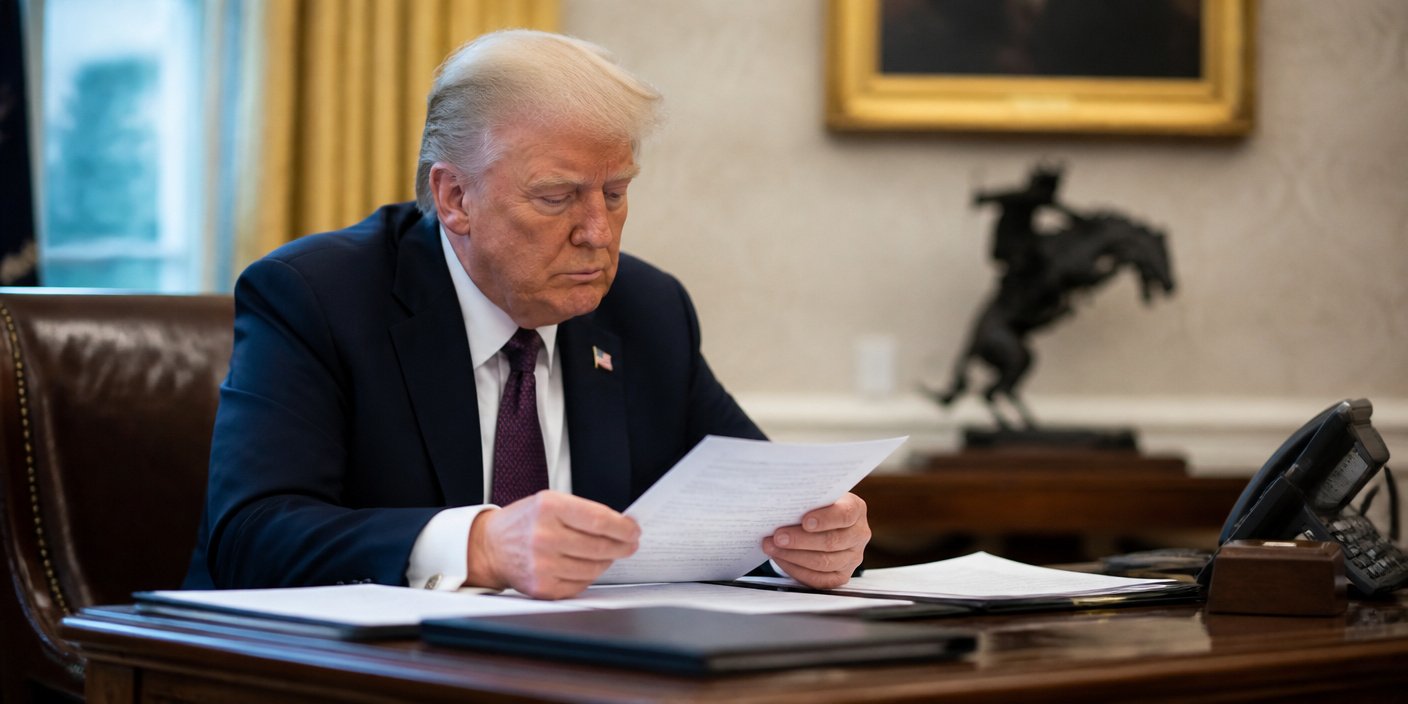
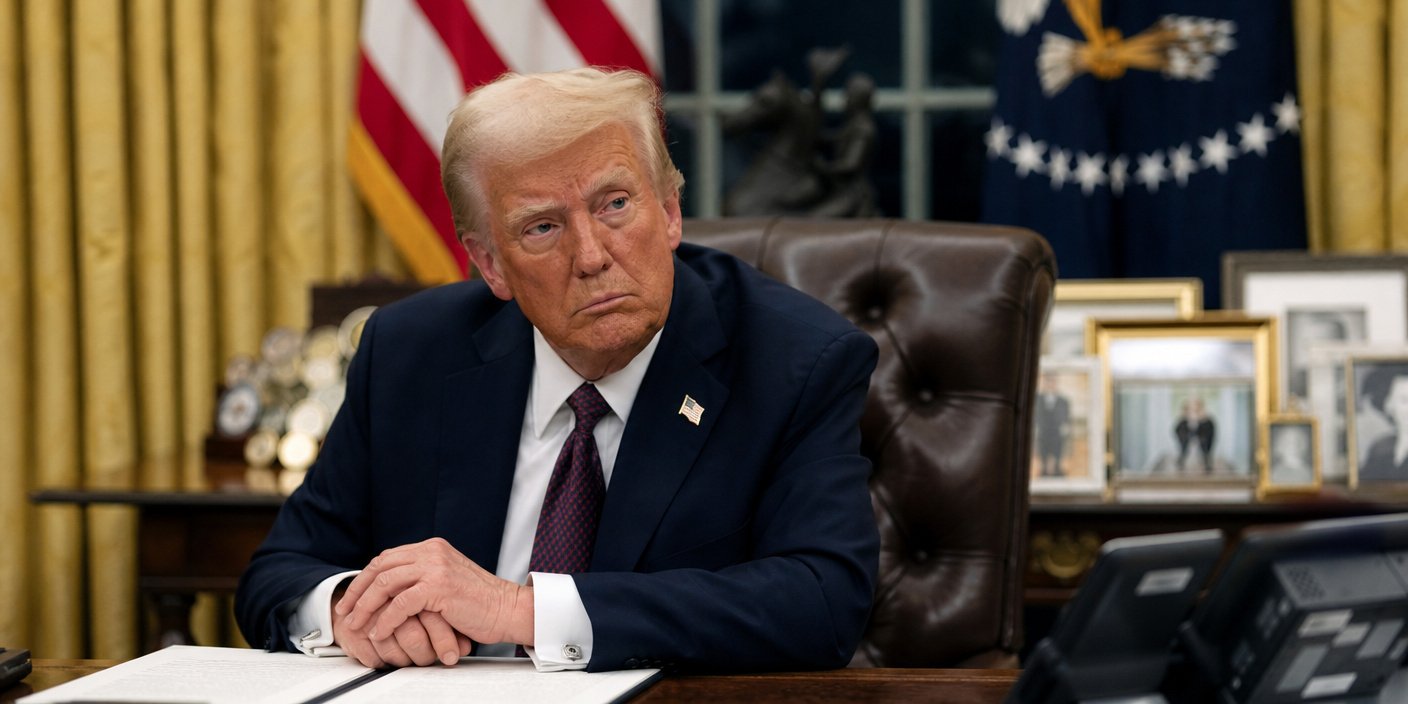
The passage in the House was a key victory for Republican leadership and President Donald Trump, who publicly supported the measure and urged Republican lawmakers to unite behind it. House Speaker Mike Johnson (R-La.) was instrumental in navigating the bill through his chamber, facing dissent from within his own party ranks as well as unified opposition from most Democrats.


More stories

Trump Administration Strips Collective Bargaining Rights from 47,000 TSA Workers

March 10, 2025

Trump-Zelenskyy White House Talks Collapse Amid Critical Minerals Standoff, Raising Questions on Ukraine Aid

February 28, 2025

President Trump Signs Bill Funding Government Through September 2025, Averting Shutdown

March 15, 2025

Trump’s ‘Big, Beautiful Bill’ Poised for Passage in House Amidst GOP Division Over Spending, Tax, and Social Program Cuts

July 3, 2025

The vote saw remarkable partisan alignment, with only two members crossing the aisle to vote against their party’s majority stance on the bill. Representative Thomas Massie, a Republican from Kentucky, voted against the measure, while Representative Jared Golden, a Democrat from Maine, also broke with his party to oppose the legislation.

Democratic Opposition and Alternative Proposals

House Democrats, including House Democratic Leader Hakeem Jeffries (D-N.Y.) and Representative Rosa DeLauro (D-Conn.), largely voiced strong opposition to H.R. 1968. They criticized it as not being a “clean CR,” arguing that it included controversial policy riders and spending adjustments they deemed harmful. Critics contended the bill could have negative impacts on various federal programs due to the non-defense spending cuts.

Some Democrats had previously advocated for and introduced an alternative bill that would have funded the government for a shorter period, specifically through April 11, 2025, providing more time for negotiating a comprehensive full-year agreement. However, that approach did not gain traction in the Republican-controlled House.

The Senate Challenge and Deadline Pressure

With the bill now moving to the Senate, the focus shifts to its ability to garner sufficient support in the upper chamber. To pass the Senate and reach President Trump’s desk before the impending Friday deadline – the critical date to avoid a shutdown – the legislation will require at least eight Democratic votes in addition to unified Republican support under the Senate’s procedural rules. This bipartisan requirement underscores the challenges ahead for the bill’s proponents.

Reportedly, Vice President JD Vance visited Capitol Hill in the days leading up to the House vote, engaging with lawmakers in an effort to rally support for the funding measure and emphasize the importance of preventing a government shutdown.

Key Policy Extensions and Exclusions

Beyond its primary function of funding agencies, H.R. 1968 includes several extensions of important government authorities and programs. These provisions, extended through September 30, 2025, include continued authority for the National Cybersecurity Protection System, the temporary scheduling of fentanyl-related substances to combat the opioid crisis, and Counter-UAS (Unmanned Aircraft Systems) authorities for the Department of Justice (DOJ) and the Department of Homeland Security (DHS).

The bill also makes specific adjustments, notably removing funding previously allocated for fiscal year 2024 Community Project Funding (often referred to as earmarks). It is important to note that critical entitlement programs such as Social Security and Medicare receive mandatory funding and are not covered or affected by the provisions of this discretionary spending bill.

The bill’s fate in the Senate hinges on delicate bipartisan negotiations under tight deadlines, leaving the ultimate resolution of government funding for the fiscal year subject to significant political maneuvering in the days ahead.

author avatar
priya Deshpande
See Full Bio
FacebookX TwitterPinterestLinkedInTumblrRedditVKWhatsAppEmail

priya Deshpande

Ontario Hits US Electricity Exports with 25% Tax Amid Rising Trade Tensions
Report: Suri Cruise, 18, Appears “Noticeably Different” During College Break, According to HELLO! Magazine
Related posts
  • Related posts
  • More from author
Politics

US Moves to Block Chinese ‘AI Distillation’ Theft

April 24, 20260
Politics

US Halts Dollar Shipments to Iraq in Militia Crackdown

April 22, 20260
Politics

US Navy Intercepts Iranian Vessel in Gulf of Oman Standoff

April 20, 20260
Load more
Read also
Top Stories

WHCD Shooter Identified: ‘Friendly Federal Assassin’ Allegations Surface

April 26, 20260
Editorial

Trump Calls for Unity Following White House Security Breach

April 26, 20260
Top Stories

Trump Deploys Kushner, Witkoff for High-Stakes Iran Talks

April 25, 20260
Culture & Society

Rooted in Community: Linda Vista Celebrates 41st Annual Multicultural Fair

April 25, 20260
Top Stories

Tensions Peak: US, Israel, and Iran Strategic Standoff

April 24, 20260
Politics

US Moves to Block Chinese ‘AI Distillation’ Theft

April 24, 20260
Load more

Recent Posts

  • WHCD Shooter Identified: ‘Friendly Federal Assassin’ Allegations Surface
  • Trump Calls for Unity Following White House Security Breach
  • Trump Deploys Kushner, Witkoff for High-Stakes Iran Talks
  • Rooted in Community: Linda Vista Celebrates 41st Annual Multicultural Fair
  • Tensions Peak: US, Israel, and Iran Strategic Standoff

Recent Comments

No comments to show.
Social networks
FacebookLikes
X TwitterFollowers
PinterestFollowers
InstagramFollowers
YoutubeSubscribers
VimeoSubscribers
Popular categories
  • Top Stories528
  • National News296
  • Editorial264
  • Business252
  • Politics249
  • Crime & Justice234
  • Entertainment230
  • Health202
  • Tech & Innovation194
  • Culture & Society190
  • Uncategorized2

WHCD Shooter Identified: ‘Friendly Federal Assassin’ Allegations Surface

April 26, 2026

Trump Calls for Unity Following White House Security Breach

April 26, 2026

Trump Deploys Kushner, Witkoff for High-Stakes Iran Talks

April 25, 2026

Rooted in Community: Linda Vista Celebrates 41st Annual Multicultural Fair

April 25, 2026

Tensions Peak: US, Israel, and Iran Strategic Standoff

April 24, 2026

Awards Season Culminates: Previewing the 97th Academy Awards and Weekend Entertainment Options

4534 Comments

S&P 500 Nears Record as Nasdaq Hits Three-Week High; Major Indexes Post Strong Weekly Gains on February 14, 2025

779 Comments

Google Introduces Premium AI Ultra Subscription Globally: Advanced Capabilities and Pricing Details Emerge

771 Comments

Trump Rallies GOP on Capitol Hill Amidst Doubt for Sweeping Domestic Policy Bill

582 Comments

Future of Telecom: How AI and 5G Convergence is Driving Innovation

542 Comments
    © Copyright 2025, All Rights Reserved
    • About
    • Privacy
    • Contact