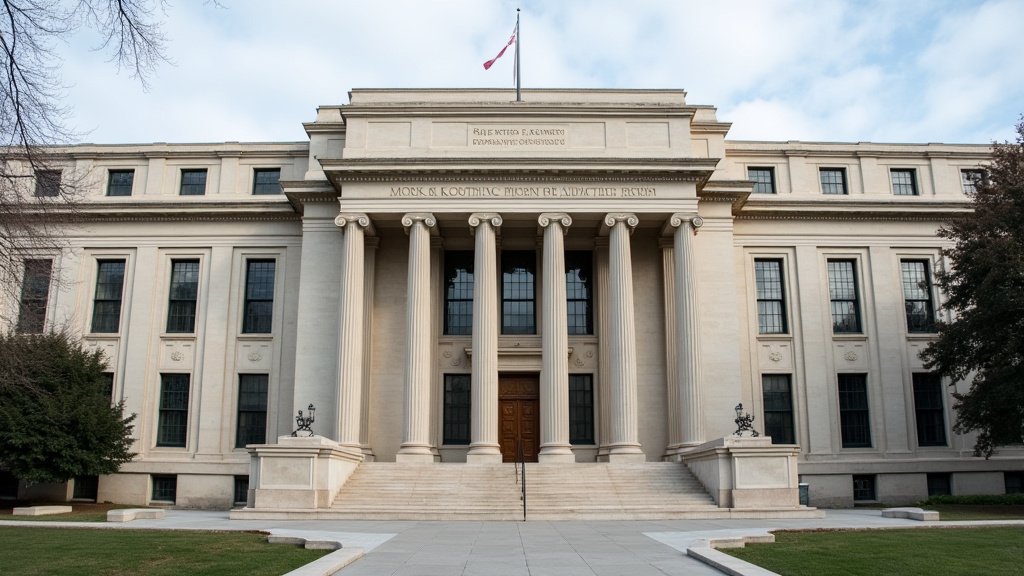
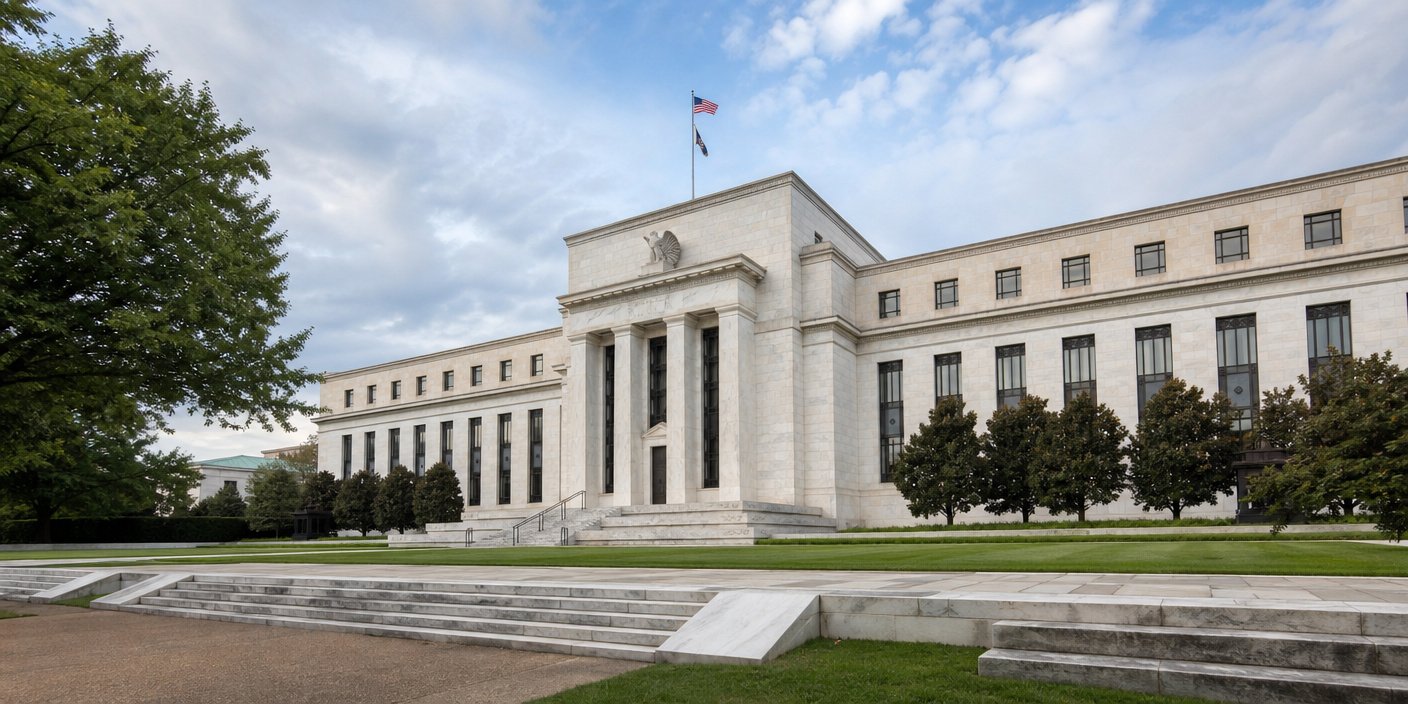
Washington, D.C. – In a significant legal challenge to executive authority over trade policy, a U.S. federal court has ruled against a substantial portion of tariffs imposed by President Donald Trump since January. The U.S. Court of International Trade, in a decision that could reshape the landscape of presidential power, found that the Trump administration exceeded its authority under the 1977 International Emergency Economic Powers Act (IEEPA) in levying these duties.
The court’s ruling delivered a sharp rebuke to the administration’s broad use of emergency powers to implement widespread tariffs, stating explicitly that the IEEPA does not grant the president unrestricted authority to impose tariffs on goods from nearly every country. This interpretation effectively nullifies those specific duties that were challenged on these grounds, marking a potential turning point in the trade disputes that characterized the Trump presidency.
Legal Basis and Constitutional Mandate
At the heart of the court’s decision was a fundamental assertion about the balance of power enshrined in the U.S. Constitution. The ruling emphasized that the power to lay and collect taxes and tariffs is primarily vested in Congress. This principle underpins the legislature’s traditional role in setting trade policy and revenue generation, suggesting the executive branch’s authority in this domain is intended to be more limited, especially under statutes like the IEEPA.

The International Emergency Economic Powers Act of 1977 was enacted to grant the president powers to deal with unusual and extraordinary threats to the national security, foreign policy, or economy of the United States, particularly during declared national emergencies. Historically, IEEPA has been used primarily for targeted sanctions against hostile foreign states, terrorists, or those engaged in illicit activities, such as blocking assets or restricting specific financial transactions. Its application to impose broad, across-the-board tariffs on a wide range of goods from numerous trading partners represented a novel and expansive interpretation of the statute by the Trump administration.
The Trump administration had justified the use of IEEPA for its tariffs by declaring trade deficits and the influx of illegal drugs into the country as national emergencies. The court’s ruling suggests that while the president has the authority to declare emergencies and use IEEPA, that power is not absolute, particularly when it impinges upon Congress’s primary constitutional functions related to trade and taxation.
Immediate Fallout and Legal Battle Ahead
The ruling by the U.S. Court of International Trade triggered swift action from the administration. The Trump administration has filed an appeal against the decision.
In a development that temporarily maintains the status quo, the U.S. Court of Appeals for the Federal Circuit has since suspended the lower court’s ruling. This means that the tariffs challenged in the case currently remain in effect while the appeal process unfolds. The suspension highlights the complexity and high stakes of this legal dispute, which pits executive claims of emergency power against judicial interpretation of statutory and constitutional limits.
Legal experts widely anticipate that this case is likely heading to the Supreme Court of the United States. The fundamental questions it raises about the separation of powers and the scope of presidential authority under emergency statutes are of significant constitutional importance, making it a prime candidate for review by the nation’s highest court.
Administration Reaction and Diplomatic Implications
The White House swiftly criticized the Court of International Trade’s decision. White House spokesperson Karoline Leavitt described the ruling as “blatantly wrong” and characterized it as an overstep of judicial authority. This reaction underscores the administration’s view that the courts were improperly interfering with the president’s foreign policy and national security prerogatives.
The ruling’s implications have also extended into diplomatic channels. U.S. officials have reportedly discussed the ruling’s potential impacts with their foreign counterparts. The uncertainty surrounding the legality of the tariffs has been a point of contention with numerous trading partners, and the court’s decision, even if temporarily suspended, adds another layer of complexity to international trade relations.
Conclusion
The U.S. Court of International Trade’s ruling striking down most Trump-era tariffs imposed since January on the grounds of exceeding IEEPA authority represents a critical moment in the ongoing debate over presidential power in trade policy. While the tariffs remain in place pending an appeal and likely Supreme Court review, the initial decision underscores the judiciary’s role in policing the boundaries of executive action, even during declared emergencies. The ultimate resolution of this legal battle will have lasting consequences for the balance of power between the executive and legislative branches and the future use of emergency statutes in shaping U.S. economic and foreign policy.