In a pivotal moment of 2019 that fundamentally altered the course of U.S.-Iran relations, the Trump administration stood on the precipice of a significant military engagement before abruptly reversing course. President Trump confirmed that the planned strikes—intended as a retaliatory response to the downing of a U.S. RQ-4 Global Hawk surveillance drone—were shelved not only due to concerns over collateral damage but significantly due to the strategic counsel of Gulf allies. This intervention highlights the intricate web of influence and the complex diplomatic balancing act that defined American policy in the Middle East during that period.
The Anatomy of the Last-Minute Stand-Down
The 10-Minute Pivot
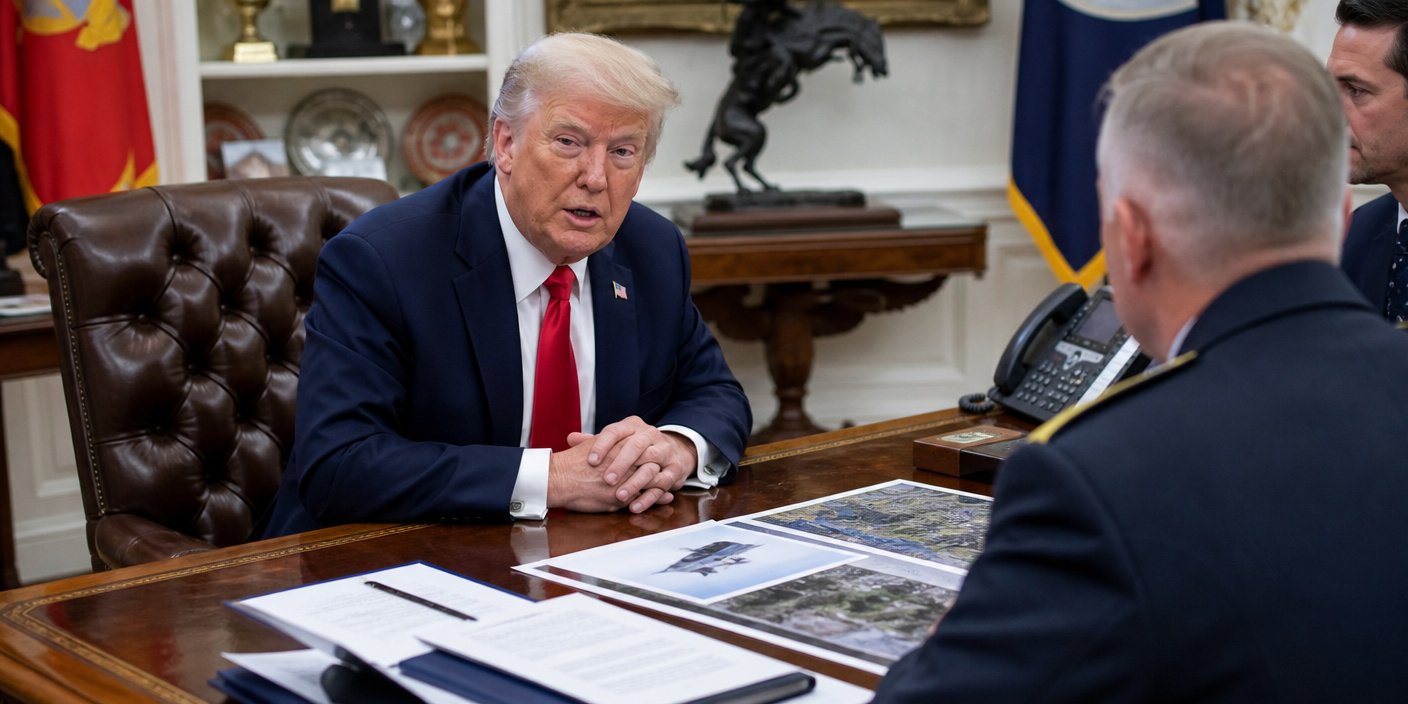
The narrative of that June day remains one of the most stark illustrations of executive military decision-making in the modern era. The administration had authorized military action targeting multiple Iranian radar and missile battery sites. According to official accounts provided at the time, the strike plans were well-advanced. The military apparatus—the Pentagon and U.S. Central Command (CENTCOM)—had positioned assets, and target packages were finalized. Trump later disclosed that he asked for an assessment of potential casualties just ten minutes before the strike was slated to commence. Upon being informed that approximately 150 Iranian individuals could lose their lives, he deemed the response disproportionate to the loss of an unmanned aerial vehicle. This moment of hesitation, however, was not a vacuum; it was filled with the voices of international partners deeply invested in regional stability.
Diplomatic Backchannels: The Role of the Gulf
While the casualty estimates provided the moral justification for the reversal, the diplomatic rationale was heavily influenced by regional heavyweights. Trump’s acknowledgement that Gulf leaders, specifically citing the input of the Saudi Crown Prince, played a pivotal role underscores the interdependence of U.S. security guarantees and regional monarchies. These leaders, cognizant that an all-out conflict would inevitably involve the incineration of their own infrastructure and destabilization of their economies, exerted significant pressure to de-escalate. The feedback loop was constant: the Gulf states, serving as a buffer and a conduit for intelligence, urged caution, effectively arguing that a kinetic military response would only invite a broader regional conflagration that would harm American and regional interests alike.
The Calculus of Collateral Damage



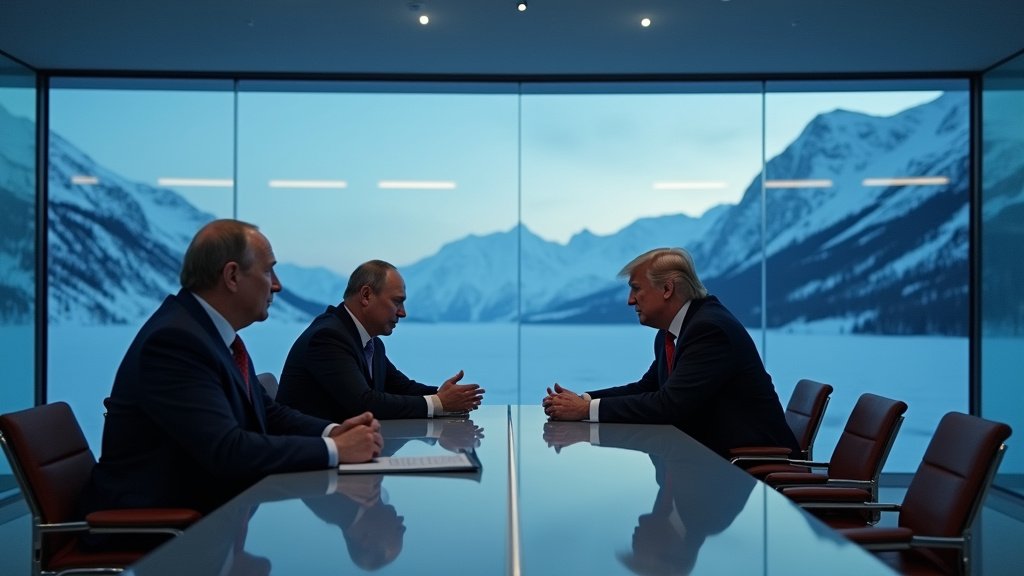
The 150-person casualty figure became the shorthand for the decision, but the reality was far more nuanced. Military strategists had designed the strike to degrade Iranian defensive capabilities, but the fog of war presented a high risk of unexpected civilian or non-combatant deaths. The President’s focus on the proportionality of the response—balancing the strategic necessity of deterrence with the political and ethical costs of a large-scale strike—demonstrated a clear preference for a policy of ‘Maximum Pressure’ over kinetic confrontation. This approach prioritized economic isolation and sanctions over military bombardment, creating a paradox where the U.S. maintained an aggressive posture without pulling the trigger.
Geopolitical Ripples and Future Implications
Maximum Pressure: A New Strategy
The cancellation of the strikes necessitated a swift pivot in administration strategy. Unable to utilize the kinetic option, the U.S. doubled down on the ‘Maximum Pressure’ campaign, which utilized a suffocating array of economic sanctions aimed at crippling Iranian oil exports and cutting off Tehran from the global financial system. This strategy was predicated on the belief that a weakened Iranian state would eventually be forced back to the negotiating table. By withholding the military option, the U.S. signaled a desire for leverage through economic attrition rather than battlefield dominance.
The Fragility of the Strait of Hormuz
The theater for these events was, and remains, one of the most critical chokepoints in the global economy: the Strait of Hormuz. Through this narrow waterway flows a significant percentage of the world’s seaborne oil. The tension was not merely about a drone; it was a test of the freedom of navigation and the viability of international maritime law. The decision to halt the strike ensured that global energy prices did not experience the massive spike that a full-scale regional war would have triggered. The Gulf leaders’ intervention was, in many respects, a form of economic self-preservation, ensuring that the critical artery of their wealth remained open and unencumbered by the chaos of war.
Strategic Autonomy vs. Alliance Dependency
The incident remains a landmark study in the evolution of U.S. alliances. It forced a dialogue regarding the ‘responsibility to protect’ and the extent to which U.S. military power is inextricably linked to the desires of its partners. Critics argued that the reversal projected indecision, while proponents championed the restraint as a triumph of strategic prudence. Ultimately, the episode underscored a shifting reality: while the United States remained the dominant military actor, its actions in the Middle East were increasingly moderated by the domestic and international realities of its key regional partners, turning the decision-making process into a multilateral negotiation rather than a unilateral executive action.
FAQ: People Also Ask
Q: Why was the strike on Iran planned in the first place?
A: The strikes were planned in retaliation for the June 2019 downing of a U.S. RQ-4 Global Hawk surveillance drone by Iranian forces, which Tehran claimed had violated its airspace, a claim the U.S. vehemently denied.
Q: How did the Gulf leaders influence the decision?
A: Gulf leaders, including the Saudi Crown Prince, communicated with the Trump administration to express deep concerns regarding the destabilizing effects of a full-scale military conflict. They emphasized the potential for catastrophic regional blowback and economic disruption, urging a diplomatic resolution over military escalation.
Q: Did the cancellation of the strike end the conflict?
A: It did not end the conflict, but it shifted the nature of the confrontation. The administration transitioned to a policy of ‘Maximum Pressure,’ relying heavily on comprehensive economic sanctions rather than military force to isolate Iran and curtail its regional activities.