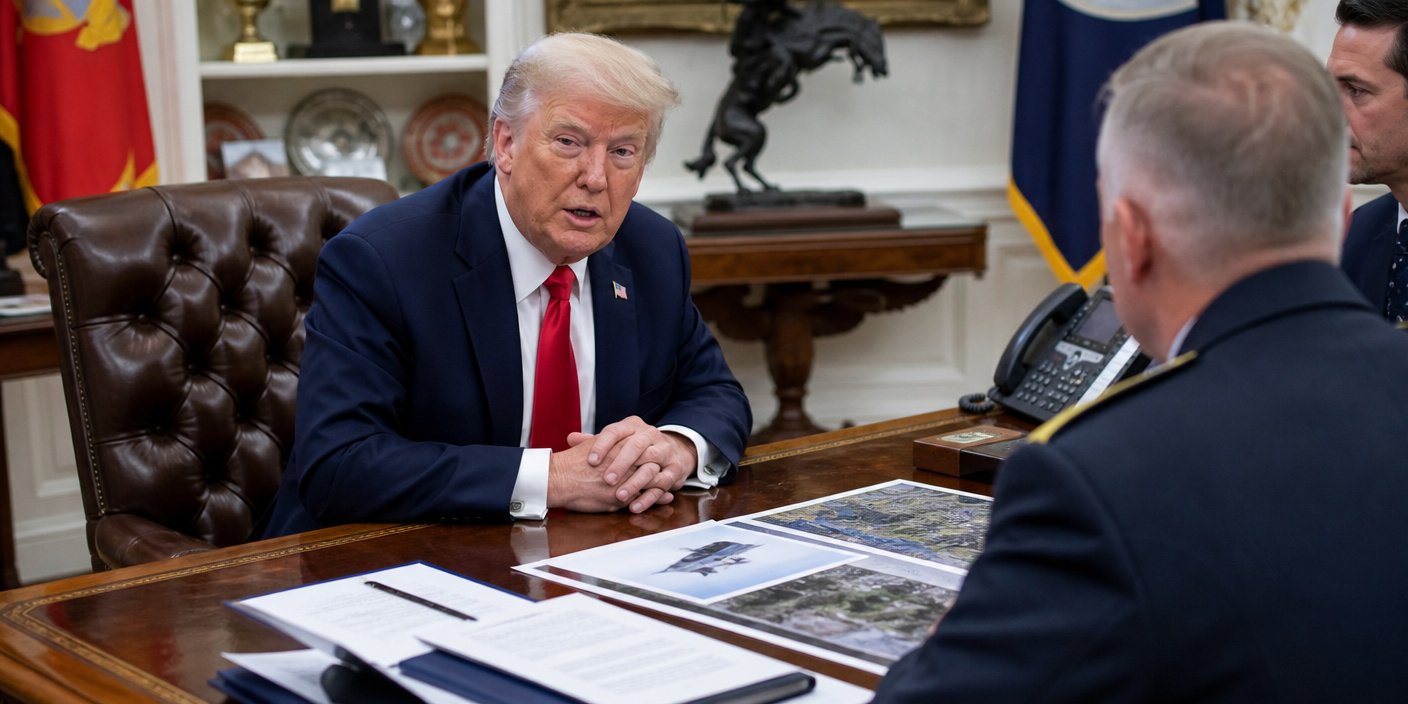
The United States and Iran have officially finalized a significant memorandum of understanding, marking a pivotal moment in their bilateral relations. The agreement, formally signed by the presidents of both nations, outlines a framework for cooperation and understanding on several key issues, signaling a potential thaw in historically strained diplomatic ties.
Key Highlights:
- Formalization of a memorandum of understanding between the US and Iran.
- Agreement signed by the presidents of both nations.
- Potential for improved diplomatic relations and cooperation.
- Details of the MOU focus on specific areas of mutual interest.
- International community closely monitoring developments.
A New Chapter in US-Iran Relations
The recent finalization of a memorandum of understanding (MOU) between the United States and Iran represents a significant diplomatic development. The signing by the respective presidents signifies a high-level commitment to moving forward on a shared agenda, despite the complex and often adversarial history between the two nations. This agreement is not merely a symbolic gesture; it lays the groundwork for tangible cooperation in specific areas, the details of which are expected to be further elaborated in subsequent communications.
Genesis of the Agreement
The path to this MOU has been long and winding, marked by periods of intense negotiation and persistent geopolitical challenges. Both nations have engaged in a delicate dance of diplomacy, seeking common ground amidst deep-seated ideological differences and regional security concerns. The finalization of this document is a testament to the perseverance of diplomatic channels and the recognition by both leaderships that certain shared interests necessitate a formal understanding.
Core Tenets of the MOU
While the full specifics of the memorandum are still emerging, preliminary reports indicate that the agreement touches upon several critical domains. These are understood to include areas such as de-escalation protocols in regional hotspots, potential collaboration on humanitarian initiatives, and mechanisms for addressing mutual security concerns. The precise nature of these commitments is crucial, as it will dictate the practical impact of the MOU on regional stability and international relations. The US, in particular, has emphasized the need for clear, verifiable steps within the framework of the agreement.
International Reactions and Implications
The international community has reacted with cautious optimism. Allies of both the US and Iran, as well as global powers, are closely observing the implications of this development. Many see it as a potential stabilizing force in a volatile region, while others remain skeptical, emphasizing the need to see concrete actions that align with the spirit of the MOU. The United Nations and other international bodies have expressed hope that this agreement will foster greater dialogue and reduce tensions.
Future Trajectories and Challenges
The long-term success of this memorandum hinges on sustained political will and the ability of both governments to navigate domestic and international pressures. The path forward is likely to be fraught with challenges, including differing interpretations of the agreement’s clauses, potential spoilers seeking to undermine the process, and the ever-present complexities of regional power dynamics. However, the very existence of a formalized understanding provides a new set of tools and a framework for managing these challenges more constructively.
Economic and Trade Prospects
While not the primary focus, the MOU could indirectly pave the way for future economic discussions. Easing political tensions can create a more conducive environment for trade and investment, although significant hurdles remain due to existing sanctions and broader economic policies. Any potential economic implications will be closely scrutinized by global markets and financial institutions. The focus remains on diplomatic and security cooperation, with economic aspects likely to be addressed in separate, future engagements.
Cultural and People-to-People Exchange
Another area that could see subtle shifts is in cultural and people-to-people exchanges. As diplomatic ties formalize, there may be a gradual opening for academic, scientific, and cultural dialogues, fostering greater understanding between the populations. Such exchanges, even if limited initially, can play a vital role in building bridges and fostering long-term goodwill.
FAQ: People Also Ask
What is a memorandum of understanding (MOU)?
A memorandum of understanding (MOU) is a formal document that outlines the agreement between two or more parties. It indicates a common line of action or understanding. While it is not a legally binding contract in the same way as a treaty, it signifies a strong political commitment and serves as a roadmap for future cooperation or actions.
What are the potential benefits of a US-Iran MOU?
Potential benefits include reduced regional tensions, increased diplomatic channels for conflict resolution, improved prospects for humanitarian cooperation, and a more stable geopolitical environment. It can also serve as a foundation for addressing other complex issues that may arise in the future.
What are the main challenges in US-Iran relations that this MOU might address?
This MOU could potentially address challenges related to regional security, de-escalation of conflicts in areas like Syria and Yemen, maritime security in the Persian Gulf, and possibly even frameworks for addressing nuclear proliferation concerns, although specific details on these are yet to be fully confirmed.
How will this MOU impact regional stability?
If implemented effectively, the MOU could contribute positively to regional stability by providing a formal mechanism for communication and de-escalation, thereby reducing the risk of miscalculation and unintended conflict. However, its actual impact will depend on the specific commitments made and the actions taken by both countries.