Intense military engagement in Taiz, Yemen, has resulted in over 200 Houthi casualties, as global attention shifts to President Trump’s recent declaration that the conflict with Iran is nearing a resolution. The violence in this critical urban center marks a significant escalation, occurring simultaneously with a high-stakes diplomatic standoff involving the Iraqi government and international power brokers.
Key Highlights
- Mass Casualty Event: Military operations in Taiz have resulted in the confirmed death of over 200 Houthi militants, signaling a breakdown in de-escalation efforts.
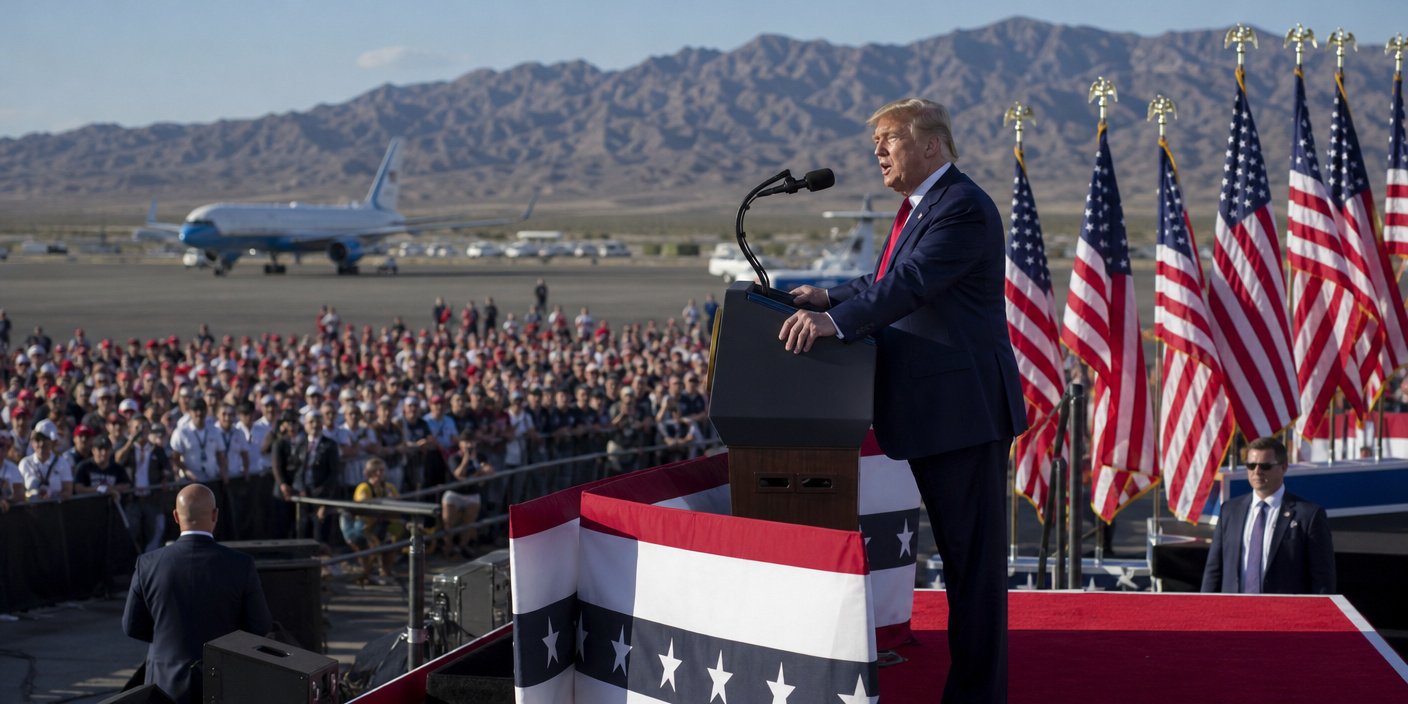
- Presidential Forecast: President Donald Trump has issued a public prediction that the ongoing military tensions with Iran will reach a conclusion in the near future.
- Iraqi Neutrality: The Iraqi Prime Minister has formally pledged to maintain strict neutrality, aiming to isolate the nation from the broader regional conflict.
Geopolitical Tensions and the Siege of Taiz
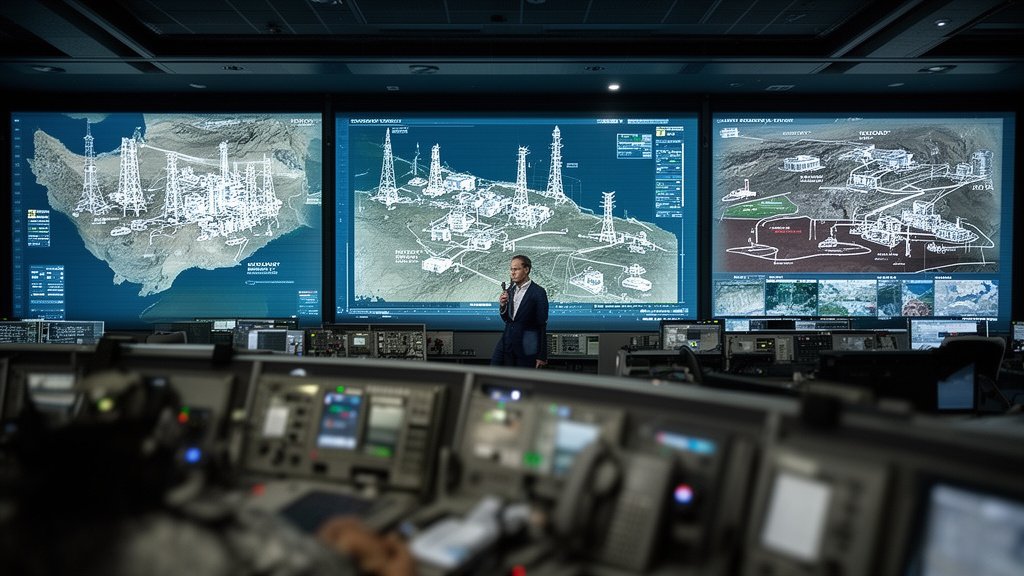
The ongoing conflict in Yemen has long served as a barometer for regional instability, and the latest reports from Taiz demonstrate the volatile nature of the current landscape. The reported loss of 200 Houthi fighters in a single operational window represents one of the most significant tactical setbacks for the group in the third quarter of 2026. Military analysts suggest that the intensified clashes in Taiz are not merely local skirmishes but are indicative of a broader attempt to control strategic transit corridors near the Bab al-Mandab Strait.
The Strategic Importance of Taiz

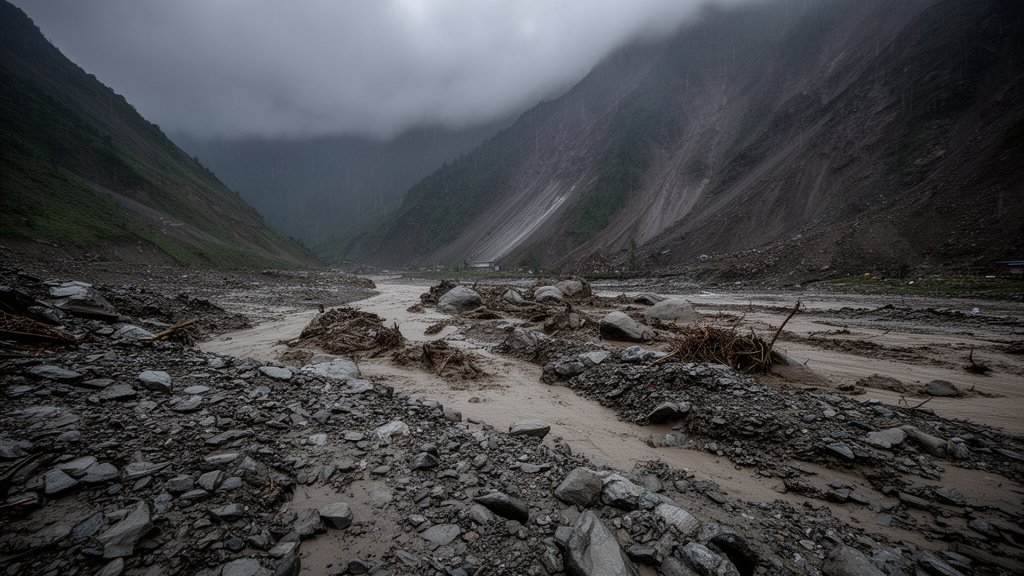

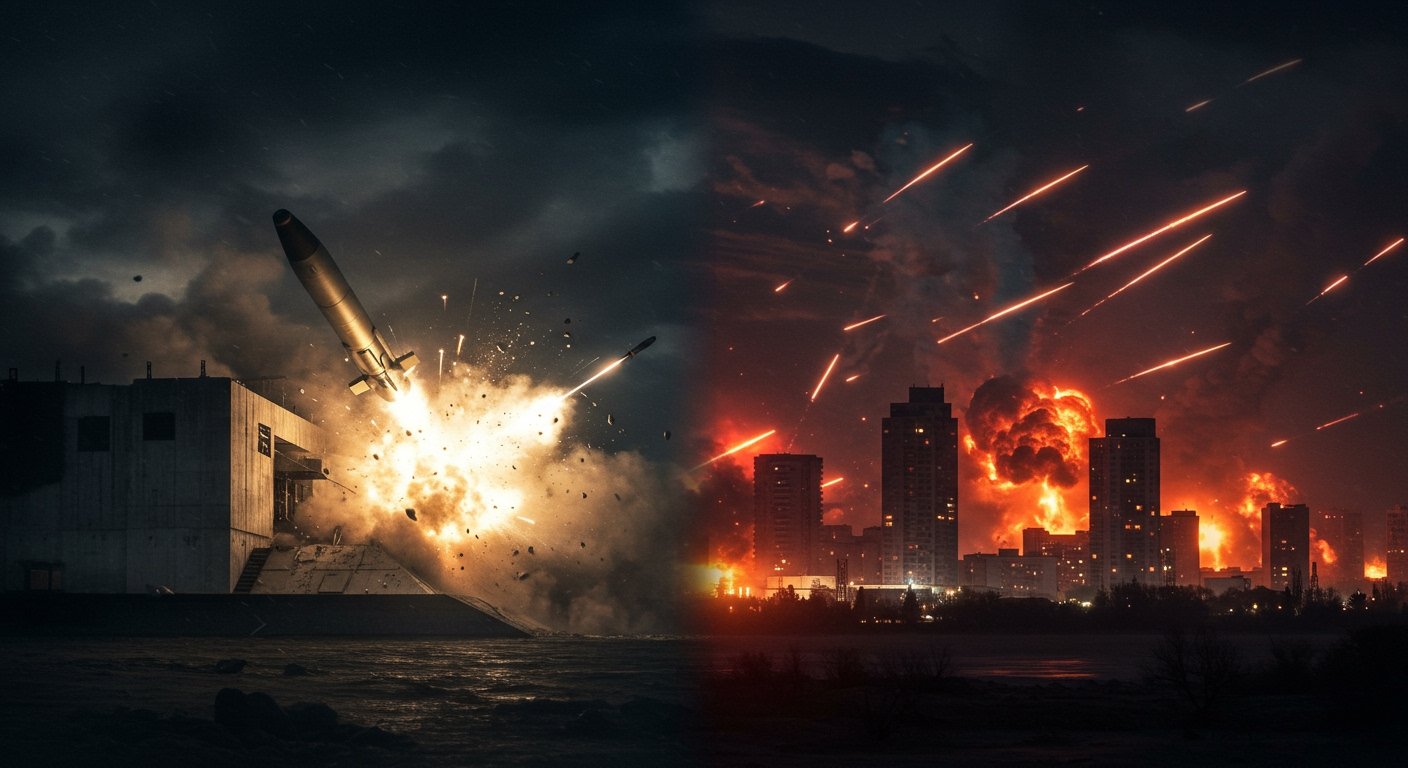
Taiz has historically been the “cultural capital” of Yemen, but its strategic importance in the current conflict is paramount. Positioned on high ground overlooking the Red Sea, control of the city allows for the projection of power over vital shipping lanes. The recent surge in violence suggests that both coalition-aligned forces and Houthi elements are testing the limits of the fragile regional status quo. The 200 casualties reported by local agencies underscore the intensity of the urban warfare, which remains a primary obstacle to humanitarian corridors and long-term peace negotiations.
Trump’s Iran Prediction: Fact or Rhetoric?
President Trump’s recent assertion that the war with Iran will end shortly has sent shockwaves through international diplomatic circles. Critics argue that the statement may be premature, given the continued proxy skirmishes across Iraq, Syria, and Yemen. However, proponents suggest the President may be signaling back-channel negotiations that have yet to be disclosed publicly. The timing of this statement, coinciding with the massive loss of life in Taiz, suggests a coordinated effort to pressure Iran to curtail support for its regional proxies. Observers are now watching closely to see if this rhetoric is followed by a concrete policy shift or if it is intended to stabilize markets and curb speculative anxieties regarding global energy supplies.
Baghdad’s Balancing Act
Perhaps the most critical development in the wake of the President’s comments is the Iraqi Prime Minister’s firm commitment to neutrality. Iraq finds itself in the uncomfortable position of being caught between its ties to Tehran and its reliance on American security cooperation. By doubling down on a policy of neutrality, the Iraqi government is attempting to preserve its sovereign integrity while navigating the crossfire of the regional power struggle. This stance is seen as essential for preventing Iraq from becoming the primary theater of an expanded war. Whether the Iraqi government can successfully insulate itself from the influence of regional actors remains the most pressing question for the coming months.
Future Implications and Humanitarian Toll
Beyond the immediate military statistics, the humanitarian implications are staggering. Taiz, a city already suffering from years of famine and infrastructure collapse, remains in a state of suspended animation. The latest violence complicates international aid efforts, which were already struggling to reach the most vulnerable populations. Economically, the instability in the Red Sea corridor continues to drive up insurance premiums for commercial vessels, impacting global trade flows. As the world watches these events unfold, the convergence of military action in Yemen, political posturing in Washington, and diplomatic maneuvering in Baghdad illustrates the precarious reality of global security in late 2026.
FAQ: People Also Ask
1. Why is the situation in Taiz so critical?
Taiz sits on a strategic plateau overlooking key Red Sea shipping lanes. Controlling it offers a distinct military advantage, making it a constant flashpoint in the Yemeni conflict.
2. What does Iraq’s neutrality mean for the U.S.-Iran dynamic?
By declaring neutrality, Iraq aims to prevent its territory from being used as a staging ground or battlefield, effectively trying to de-escalate the immediate risk of a wider regional war on its soil.
3. How reliable are President Trump’s claims about the Iran conflict?
While President Trump’s statements are often interpreted as a blend of diplomatic pressure and public negotiation, they are being monitored by markets and intelligence agencies as potential indicators of private diplomatic breakthroughs that are not yet public knowledge.