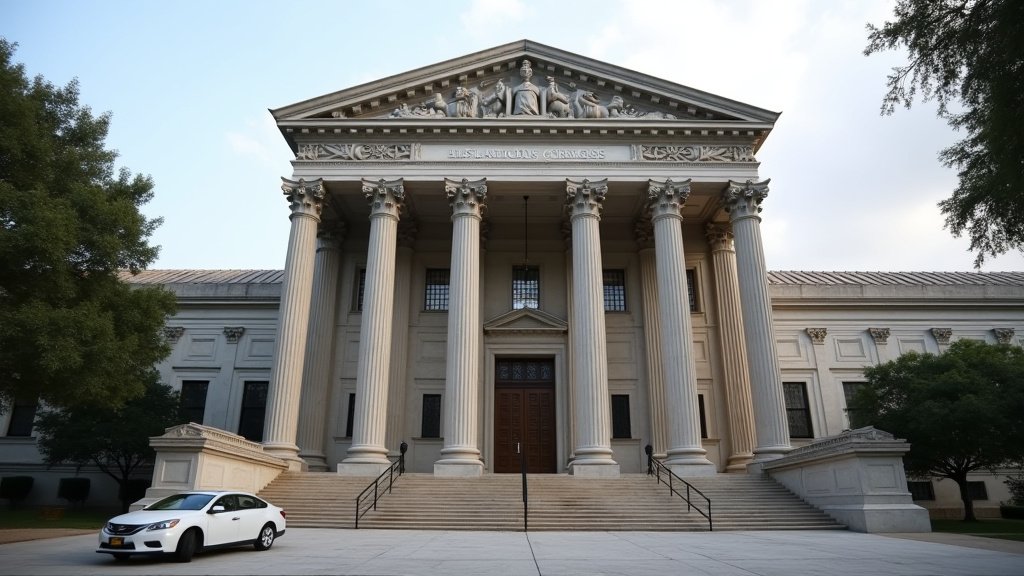
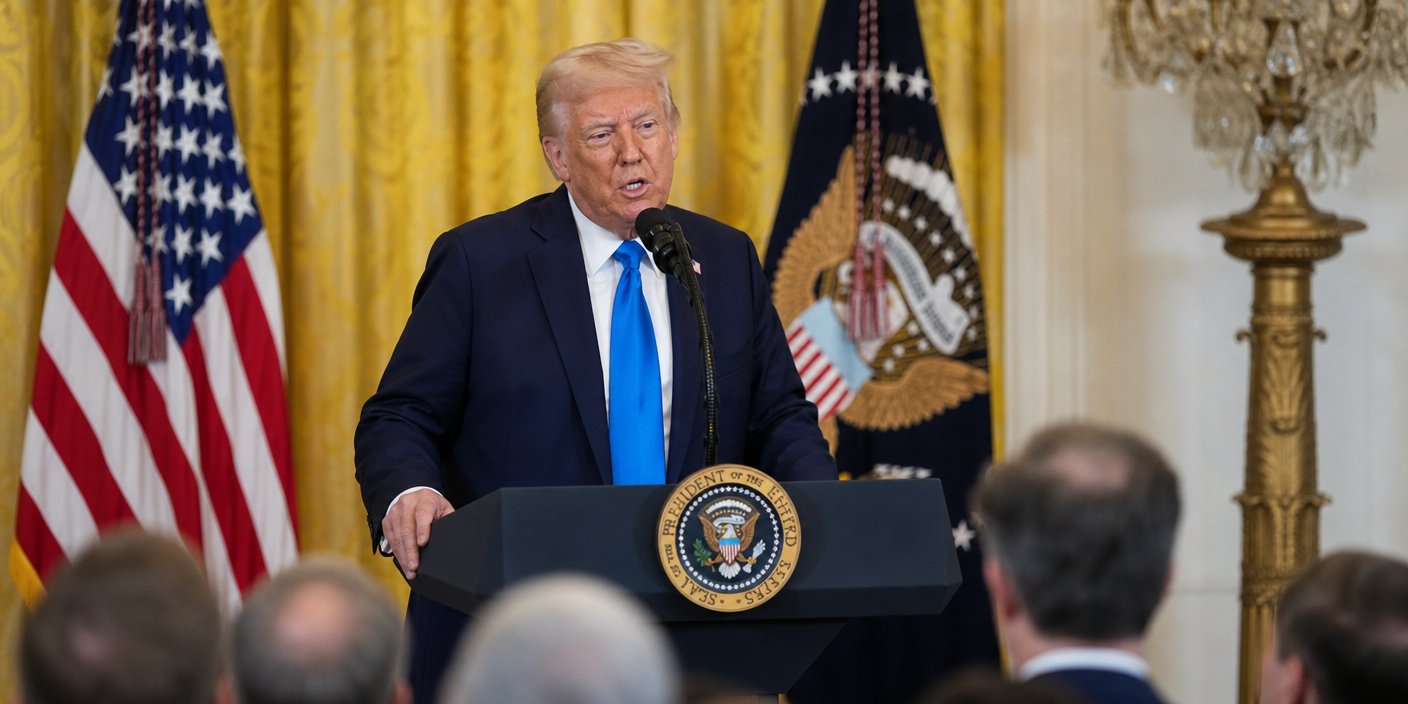
A federal judge in the U.S. District Court for the Southern District of California has issued a definitive order requiring the U.S. State Department to immediately reopen the 2027 Green Card Lottery registration period. This ruling comes after the court determined that the Trump administration failed to initiate the registration process as required by the Immigration and Nationality Act. The decision marks a significant development in the administration of U.S. immigration programs and places the executive branch under immediate judicial oversight to ensure compliance with federal law.
Key Highlights
- A federal judge in San Diego issued the order requiring the State Department to restart the 2027 Diversity Visa (Green Card Lottery) registration.
- The ruling cites a failure by the Trump administration to open the registration period, which is a statutorily required annual function of the State Department.
- The decision mandates immediate administrative action to facilitate the lottery, impacting thousands of potential applicants globally who were previously excluded due to the administrative delay.
A Mandate for Judicial and Administrative Compliance
The U.S. District Court for the Southern District of California has intervened in the administration of the 2027 Diversity Visa Program, ruling that the Trump administration failed to fulfill its legal obligations. The Diversity Visa Program, which provides a pathway for individuals from countries with historically low rates of immigration to the United States, is a congressionally mandated program governed by the Immigration and Nationality Act of 1990. The court’s ruling centers on the premise that the executive branch does not possess the unilateral authority to ignore or indefinitely delay the implementation of established legislative programs, specifically those regarding immigration and visa lotteries.
The Mechanics of the Diversity Visa Program
For the uninitiated, the Diversity Visa Program is not merely a bureaucratic function but a core component of U.S. immigration policy. Established by the Immigration Act of 1990, the program reserves approximately 55,000 visas annually for applicants from countries with low immigration rates to the United States. The selection process is random, conducted through a computer-generated lottery system.
Historically, the State Department opens the registration period in the autumn—typically October—of each year. The failure to open this window, as cited by the San Diego court, was deemed a procedural error that undermined the statutory intent of the law. By failing to announce or open the portal for the 2027 cycle, the administration effectively stalled the eligibility pipeline, creating a legal vacuum that necessitated judicial intervention. The court’s order essentially commands the State Department to restore the registration timeline, ensuring that the legislative requirements set by Congress are satisfied despite internal policy changes or administrative oversight within the executive branch.
Separation of Powers and Executive Accountability



This legal development highlights the tension between executive administrative authority and judicial review. While the executive branch generally holds broad discretion in the execution of policy, that discretion is bounded by the statutes enacted by Congress. Legal experts note that this case serves as a prime example of the judiciary acting as a check on executive power, particularly when government agencies fail to execute ministerial duties.
In this instance, the “ministerial duty” was the opening of the lottery registration. Because the requirement to hold the lottery is encoded in federal statute, the judge determined that there was no discretion to waive or delay the program. The ruling underscores that even during periods of significant policy shifts or transition within the administration, federal agencies remain bound by existing laws. The order is expected to set a precedent, emphasizing that agencies cannot allow administrative friction to translate into non-compliance with long-standing federal programs.
Implications for Global Applicants
For thousands of prospective immigrants across the globe, the reopening of the 2027 Green Card Lottery represents a restoration of opportunity. The lottery is a primary, often life-altering, gateway for individuals looking to live and work in the United States. Many applicants rely on the predictable, annual nature of this program to plan their immigration strategy. The interruption caused by the failed registration period generated widespread confusion and anxiety among potential applicants, many of whom had spent time and resources preparing their documentation.
The court’s intervention effectively mandates a “reset” button for the registration process. However, the logistical challenge of reopening the portal remains. The State Department must now scramble to configure the registration system, publicize the new, condensed timeline, and ensure that the process remains secure and accessible. For the applicants, this means they will likely face a modified schedule, necessitating swift action once the registration windows are officially reopened. The order also serves as a critical reminder of the importance of monitoring official government channels, as the window for application will likely be brief, compressed to make up for the lost time.
FAQ: People Also Ask
What is the 2027 Green Card Lottery?
The 2027 Green Card Lottery, formally known as the Diversity Visa Program, is a U.S. government-sponsored initiative that provides up to 55,000 immigrant visas annually to individuals from countries with historically low rates of immigration to the United States. The selections are made through a random, computer-generated lottery.
Why was the lottery ordered to be reinstated?
A federal judge in San Diego ordered the reinstatement because the State Department failed to open the required registration period for the 2027 cycle. The court ruled that this failure violated the statutory requirements established by the Immigration and Nationality Act, necessitating judicial intervention to ensure the law is followed.
Who is affected by this ruling?
Thousands of international applicants from countries eligible for the Diversity Visa Program are affected. The ruling clears the path for these individuals to submit their applications, which had been blocked due to the administrative failure to open the registration portal.
What should applicants do now?
Applicants should closely monitor the official U.S. State Department website for updates regarding the new registration dates. Because the court has mandated the reopening of the program, new deadlines and instructions will be published by the State Department to comply with the court order.