The death toll from the catastrophic flash floods and landslides currently ravaging the Himalayan corridor across Nepal and the Tibet Autonomous Region of China has surged to 750, with authorities confirming that more than 3,000 individuals remain unaccounted for. As monsoon rains continue to saturate the fragile mountainous terrain, the situation on the ground has escalated into one of the most significant humanitarian crises of the decade, stretching the logistical capabilities of both nations to their absolute breaking point.
The Anatomy of a Catastrophe: A Fragile Frontier
The current crisis in the Nepal-China border region is a result of a convergence of extreme meteorological phenomena and inherent geological vulnerability. The Himalayas are naturally prone to landslides, but the intensity of the recent monsoon cycle—characterized by unprecedented, sustained rainfall over the past 72 hours—has destabilized entire hillsides. The geological structure of this region, marked by steep gradients and loose glacial debris, has turned into a torrent of mud and rock.
Experts from the Himalayan Disaster Mitigation Fund point to a secondary, more insidious threat: the accumulation of upstream debris dams. When landslides block narrow river channels, they create temporary natural dams that eventually burst, sending a massive, high-velocity surge of water downstream. This mechanism is primarily responsible for the destruction of low-lying settlements that, historically, were considered safe from flooding. This cycle of sudden inundation makes traditional evacuation protocols ineffective, as the water arrives with little to no warning.
Logistical Nightmares and Rescue Constraints
Rescue operations are currently facing severe logistical constraints that have hindered the delivery of emergency aid. The primary arterial highways connecting the remote high-altitude regions to provincial centers have been severed by multiple washouts. In many instances, the only way to reach isolated villages is by helicopter; however, persistent cloud cover and turbulent winds have grounded most aerial assets for the better part of the last 48 hours.



Local authorities, including representatives from the Chinese Ministry of Emergency Management and the Nepal Red Cross Society, have expressed deep concern over the scarcity of heavy machinery. Clearing roads covered in thick sludge and boulders requires equipment that cannot easily be transported into the higher altitudes without stable road access. Consequently, search and rescue operations are currently relying on manual labor and local volunteers, a process that is dangerously slow given the critical window for finding survivors in the mud and rubble.
Regional Response and Trans-Boundary Challenges
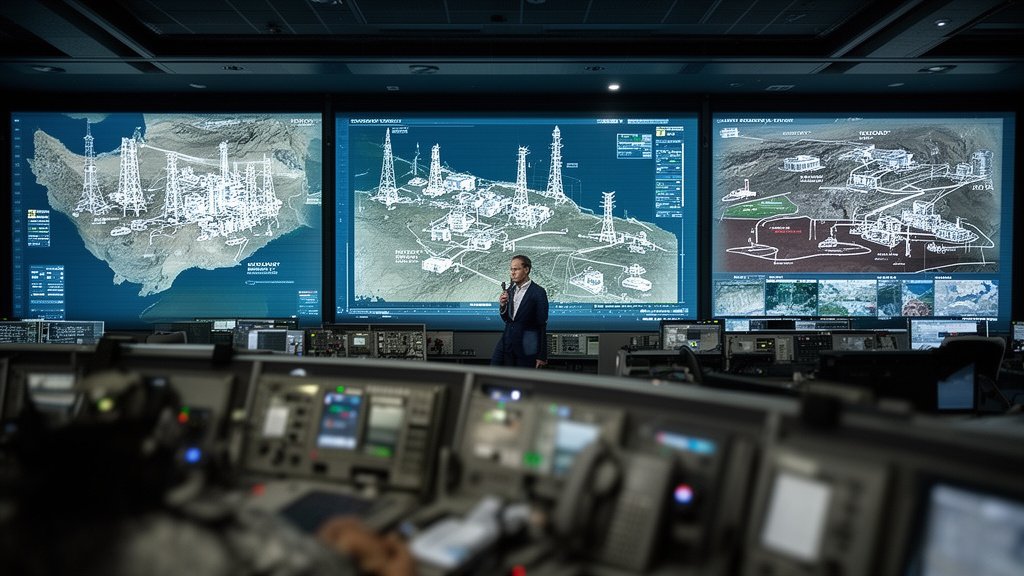
The crisis has necessitated urgent cross-border communication. China and Nepal, while maintaining different administrative protocols, are now sharing hydrological data to predict the path of future surges. This cooperation is vital, as the water bodies in question, particularly the river systems originating in the Tibetan Plateau, flow directly into the densely populated valleys of Nepal.
International observers have noted that this event highlights a critical gap in trans-boundary water governance. As climate change continues to alter weather patterns—leading to more intense monsoon periods—the current infrastructure designed decades ago is proving inadequate. Both nations are under pressure to rapidly scale up investment in early warning systems, particularly in remote, trans-boundary corridors where the lack of cellular connectivity has left thousands of citizens blind to the encroaching danger.
The Path Forward: Economic and Environmental Recovery
Beyond the immediate search and rescue phase, the economic impact of this disaster is expected to be profound. The region relies heavily on agricultural output and small-scale hydroelectric power, both of which have been decimated. Fields have been buried under silt, and several micro-hydro plants—which serve as the primary electricity source for these remote communities—have been completely destroyed.
Reconstruction will require a massive injection of capital and, more importantly, a rethinking of land-use planning. Experts are calling for a permanent restriction on building in high-risk alluvial plains and the implementation of bio-engineering solutions, such as reforestation on unstable slopes, to mitigate future erosion. The task ahead is not merely to rebuild, but to adapt to a new climatic reality where the ‘hundred-year flood’ is becoming an annual occurrence.
FAQ: People Also Ask
Q: What are the primary factors contributing to the high death toll in the Nepal-China floods?
A: The high casualty count is driven by the intensity of the monsoon rains, which caused widespread, simultaneous landslides and ‘debris dams.’ These barriers burst without warning, sending massive surges of water through inhabited valleys. Furthermore, the remote terrain makes rapid evacuation and the delivery of emergency medical services extremely difficult.
Q: Is there an ongoing search for the 3,000 missing people?
A: Yes, search and rescue operations are ongoing, though they are heavily hampered by weather conditions. Local authorities and emergency response teams are prioritizing the clearance of critical access routes to bring in heavy machinery, but the sheer scale of the debris and the unstable nature of the ground continue to delay progress.
Q: How is climate change impacting the flooding patterns in the Himalayas?
A: Climate change is increasing the frequency and intensity of monsoon rains in the Himalayas. Higher temperatures also accelerate glacial melt, which increases the water volume in regional river basins. This combination of increased rainfall and glacial instability creates a high-risk environment where traditional infrastructure and historical safety benchmarks are no longer sufficient to protect populations.