In a significant intelligence assessment, U.S. officials have indicated that Iran possesses the capability to withstand a prolonged naval blockade of the Strait of Hormuz for several months, even under pressure from the Trump administration’s sanctions regime. This assessment suggests that Iran’s strategic reserves and a diversified approach to maritime trade could render a complete shutdown of its oil exports unfeasible in the short to medium term.
Key Highlights:
- Iran’s strategic depth allows it to endure a blockade for an extended period.
- Diversified trade routes and economic strategies mitigate the impact of Strait of Hormuz closure.
- U.S. intelligence suggests a blockade’s effectiveness may be limited to months, not indefinitely.
- The assessment has implications for regional stability and global oil markets.
Iran’s Resilience in the Face of Blockade
The strategic chokepoint of the Strait of Hormuz, through which a significant portion of the world’s oil supply transits, has long been a focal point of geopolitical tension between the United States and Iran. Recent U.S. intelligence reports, however, paint a picture of Iranian resilience, suggesting that Tehran can sustain its economy and military operations for months even if subjected to a comprehensive naval blockade aimed at crippling its oil exports. This assertion stems from an analysis of Iran’s strategic planning, its ability to leverage alternative trade routes, and its development of robust domestic economic mechanisms designed to weather international isolation.
Strategic Depth and Economic Buffers
Intelligence assessments indicate that Iran has cultivated a degree of strategic depth that allows it to absorb economic shocks more effectively than previously anticipated. This depth is not solely reliant on oil revenue from exports passing through the Strait of Hormuz. Iran has reportedly invested in developing its non-oil sectors, bolstering internal production, and establishing alternative, albeit smaller, export channels that bypass the most scrutinized maritime routes. Furthermore, the Iranian regime has demonstrated a capacity to manage its economy under extreme duress, utilizing a combination of state control, informal networks, and citizen endurance to maintain a semblance of normalcy.
The Limited Window of Blockade Effectiveness




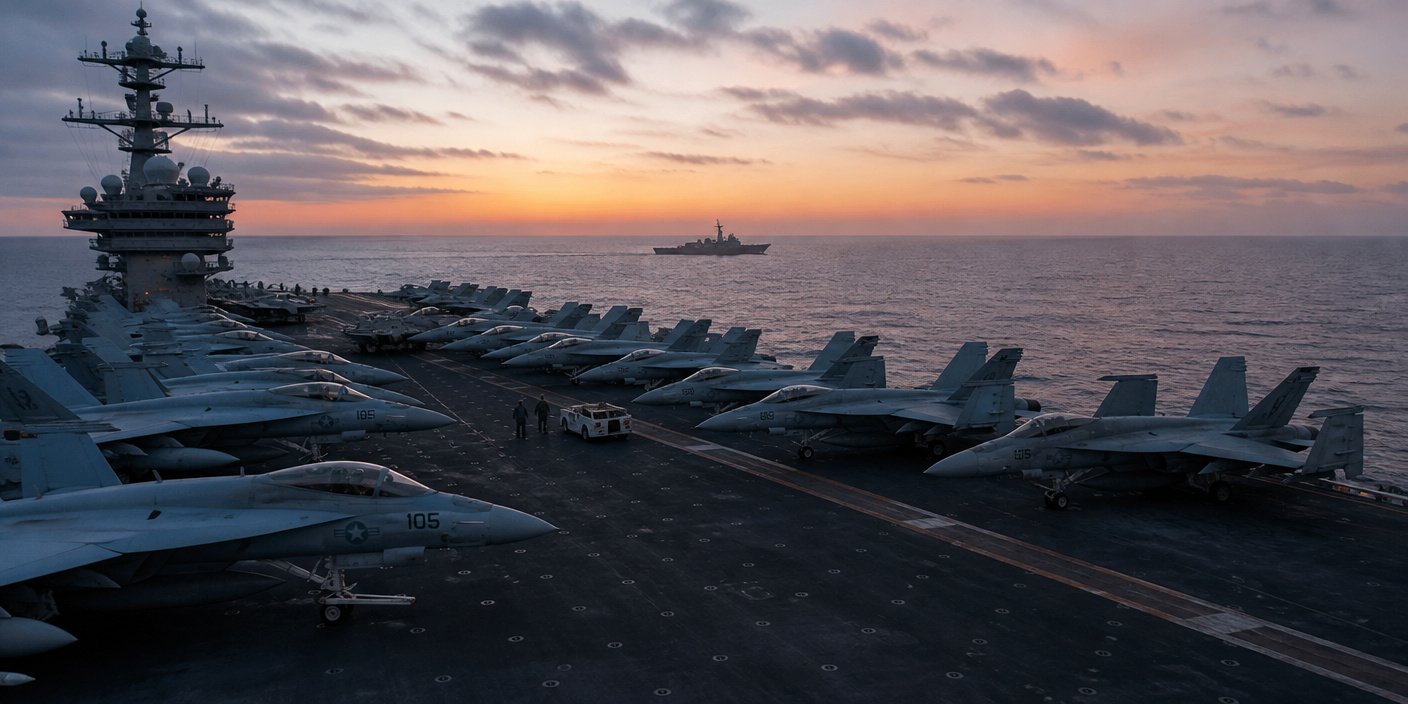
The U.S. intelligence community’s evaluation implies that while a blockade would undoubtedly inflict significant damage on Iran’s economy, its effectiveness in forcing immediate capitulation or complete economic collapse may be overestimated. The assessment suggests a finite, albeit substantial, period during which Iran could likely endure such measures. This timeframe is crucial for policymakers, as it informs the potential duration of any military or economic actions and their expected outcomes. It underscores the need for a nuanced understanding of Iran’s capabilities and its strategic objectives, moving beyond simplistic assumptions of immediate capitulation.
Geopolitical Ramifications and Market Volatility
The prospect of Iran outlasting a blockade has profound implications for regional geopolitics and global energy markets. If Iran can demonstrate a degree of immunity to such extreme pressure, it may embolden its regional activities and influence. For global oil markets, the extended threat of disruption, even if contained, can contribute to price volatility and heighten anxieties among importing nations. The intelligence finding forces a re-evaluation of deterrence strategies and the efficacy of economic statecraft in dealing with a determined adversary like Iran. It also highlights the importance of understanding Iran’s economic and military resilience not just in isolation, but within the broader context of its relations with other regional and global powers.
Historical Precedents and Iranian Adaptability
Iran has a history of operating under severe international sanctions and facing external threats. Its strategic adaptation to such pressures, including the development of asymmetric warfare capabilities and the cultivation of resilient economic networks, is a testament to its statecraft. The current assessment appears to acknowledge this historical adaptability, suggesting that attempts to isolate Iran completely may face unforeseen challenges. This adaptability is not merely a matter of survival but a core component of its national security doctrine, aimed at ensuring the longevity of the Islamic Republic.
The Role of International Diplomacy
Given the intelligence suggesting Iran’s potential to withstand a blockade, the role of international diplomacy becomes even more critical. Rather than relying solely on coercive measures, a diplomatic approach that seeks de-escalation, opens channels for negotiation, and addresses underlying security concerns may prove more effective in achieving long-term stability. The intelligence report could serve as a catalyst for renewed diplomatic efforts, pushing for a resolution that avoids prolonged conflict and economic hardship for all parties involved.
FAQ: People Also Ask
How critical is the Strait of Hormuz to global oil supply?
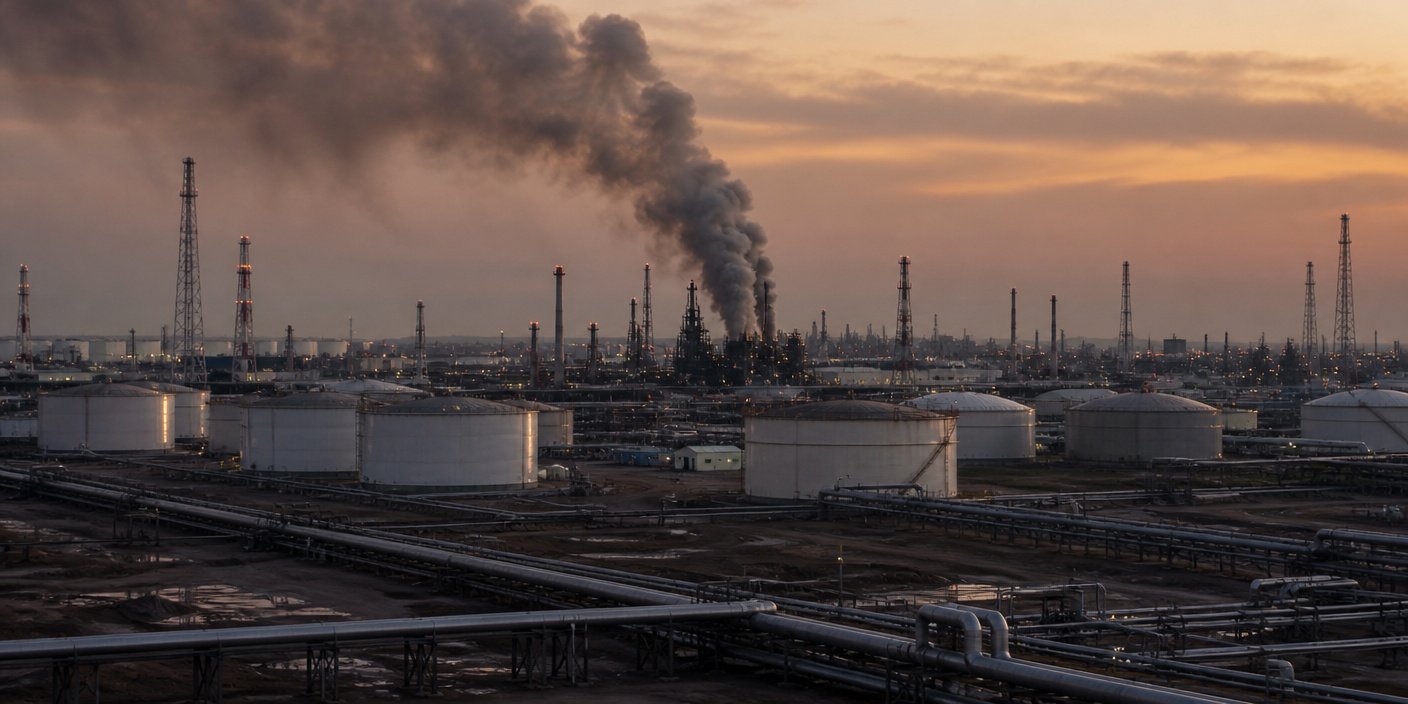
The Strait of Hormuz is one of the world’s most vital energy transit points. Approximately 30% of the world’s seaborne oil trade passes through it daily. Its strategic location makes it a crucial chokepoint for oil exports from Iran, Saudi Arabia, the UAE, and other major producers in the Persian Gulf.
What are Iran’s primary economic vulnerabilities to sanctions?
Iran’s economy is highly dependent on oil exports, which are a major source of foreign currency. Sanctions targeting its oil sector, financial institutions, and access to the international banking system significantly restrict its revenue, hinder trade, and impact its ability to fund domestic programs and military activities.
What strategies might Iran employ to counter a naval blockade?
Iran could employ several strategies, including leveraging its navy and missile capabilities to threaten shipping, utilizing asymmetric warfare tactics, developing alternative trade routes through neighboring countries, increasing domestic production to reduce reliance on imports, and engaging in sophisticated diplomatic maneuvers to garner international support or create divisions among adversaries.
How does U.S. intelligence gather information on Iran’s capabilities?
U.S. intelligence agencies utilize a variety of methods, including signals intelligence (SIGINT), human intelligence (HUMINT), imagery intelligence (IMINT) from satellites and drones, open-source intelligence (OSINT) analysis, and information from allies. This multi-faceted approach aims to provide a comprehensive picture of Iran’s military, economic, and political capabilities.
What are the potential consequences of a prolonged blockade on regional stability?
A prolonged blockade could lead to increased military tensions, potential for escalation into direct conflict, severe economic repercussions for regional economies dependent on trade through the Strait, humanitarian concerns for populations affected by economic hardship, and a broader destabilization of the Middle East, potentially drawing in other global powers.