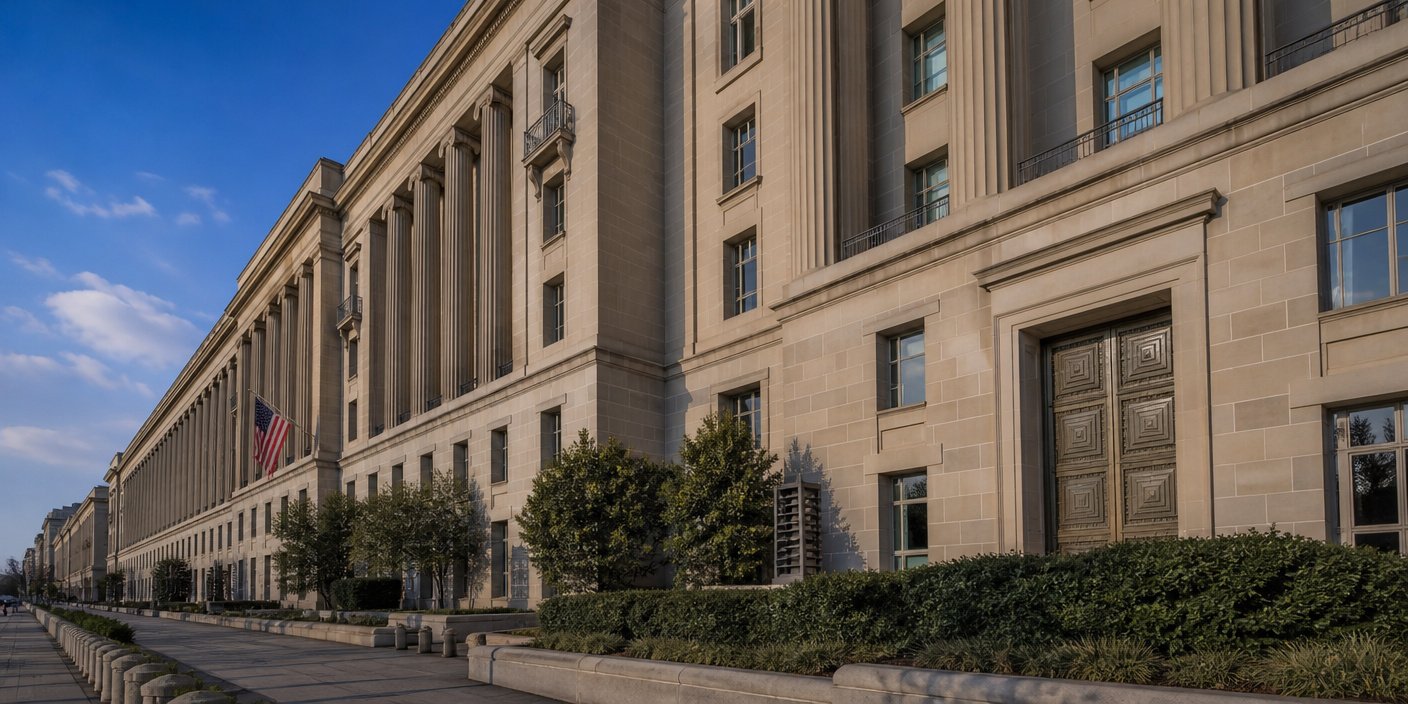
The United States Department of State has officially initiated a comprehensive and mandatory security review for all U.S. embassies and diplomatic missions worldwide. This urgent directive, issued in response to the deteriorating security landscape in the Middle East, serves as a proactive, global safeguard against potential retaliatory threats. The mandate requires every post to re-evaluate physical perimeters, cyber-infrastructure, and emergency evacuation protocols, ensuring that the Diplomatic Security Service (DSS) maintains the highest posture of readiness amid a period of intense geopolitical volatility.
Key Highlights
- Global Scope: While triggered by Middle East instability, the security review extends to all U.S. diplomatic facilities globally to identify and mitigate systemic vulnerabilities.
- Operational Focus: The directive prioritizes physical perimeter reinforcement, updated threat assessment protocols, and the testing of emergency communication systems.
- Threat Vector: The review is a direct response to intelligence pointing toward rising risks of retaliatory actions against U.S. personnel and assets from regional actors.
- Command Responsibility: Chief of Mission (COM) authorities at each post are now held directly accountable for submitting updated security posture reports to Washington within a compressed timeline.
Fortifying the Diplomatic Frontline: A Global Audit
The decision to order a worldwide review of U.S. embassy security is a significant escalation in administrative vigilance. By expanding the scope from regional hotspots—primarily across the Levant and the Arabian Peninsula—to all international posts, the State Department is acknowledging that the current geopolitical climate has created a ‘flashpoint environment’ that defies standard geographical boundaries. This directive is not merely a bureaucratic checkbox exercise; it is an active defense posture designed to harden U.S. facilities against a diverse array of threats, ranging from cyber-espionage to kinetic attacks.
The Role of the Diplomatic Security Service (DSS)
At the core of this operation is the Diplomatic Security Service (DSS). As the primary federal law enforcement agency tasked with protecting U.S. diplomatic missions, the DSS is currently mobilizing specialized teams to oversee these localized audits. The security of a U.S. embassy is complex; it requires a delicate balance between maintaining an accessible, public-facing diplomatic presence and creating a fortress-like environment. The DSS is currently emphasizing the ‘defense-in-depth’ strategy, which includes layered physical security measures, blast mitigation, and counter-surveillance operations that are tailored to the specific threat profile of each host country.
Analyzing the ‘Retaliatory Threat’ Environment



Intelligence assessments suggest that the primary catalyst for this directive is the increasing probability of ‘asymmetric retaliation.’ As regional conflicts in the Middle East intensify, proxies and state-backed actors may perceive U.S. diplomatic facilities as high-value, symbolic targets. The State Department’s mandate ensures that even missions in regions historically considered ‘low-threat’ are prepared for the unpredictable nature of global terrorism and localized unrest. This includes auditing the ‘Emergency Action Plans’ (EAPs) that dictate how embassy staff and families are protected—or evacuated—in the event of a sudden security deterioration.
The Logistics of Global Hardening
Executing a global review of this magnitude is a Herculean logistical task. Embassies are governed by host-nation agreements, meaning that any major change to security infrastructure often requires diplomatic negotiations with the host government. The current review process is challenging local diplomats to reconcile the need for increased security—such as additional physical barriers, increased armed patrols, or heightened technological surveillance—with the diplomatic necessity of fostering local goodwill and open access. Furthermore, the review encompasses digital security, focusing on the protection of sensitive classified communication lines that connect these posts to Washington D.C.
Secondary Angles: Future Implications
1. The ‘Fortress Mentality’ Dilemma: A secondary effect of this directive is the further insulation of diplomats from the local populace. While safety is paramount, experts argue that increased ‘hardened’ security can diminish the efficacy of ‘soft power’ diplomacy, making it harder for Foreign Service Officers to engage with local communities.
2. Intelligence Sharing and Cooperation: This mandate necessitates closer collaboration between the U.S. and the intelligence apparatuses of host nations. The success of this global review relies heavily on whether host countries are willing to increase their own protection of U.S. diplomatic properties, creating an indirect test of current bilateral alliances.
3. Economic Impact of Infrastructure Upgrades: The physical reinforcement of hundreds of embassies requires significant capital allocation. This could lead to a surge in demand for specialized security engineering services, construction, and advanced surveillance technology, impacting federal defense budgets in the coming fiscal quarter.
FAQ: People Also Ask
Q: What is the primary purpose of this global security review?
A: The primary purpose is to identify vulnerabilities and upgrade defensive measures in response to a heightened global threat environment, specifically regarding regional conflicts in the Middle East that may trigger retaliatory strikes against U.S. assets.
Q: Are all U.S. embassies considered under immediate threat?
A: The State Department emphasizes that the review is a precautionary measure. While intelligence indicates specific risks in the Middle East, the global nature of the order ensures that no facility, regardless of location, is left unprepared for evolving threats.
Q: What specific actions are embassy staff taking during this review?
A: Staff are conducting drills, verifying the integrity of physical barriers (such as blast-resistant glass and perimeter fencing), auditing digital and cyber-security protocols, and reviewing evacuation routes for all embassy personnel and their families.
Q: How does the Diplomatic Security Service ensure these reviews are effective?
A: The DSS utilizes standardized metrics for evaluating risk, incorporating real-time intelligence from the CIA and other intelligence community members to adapt security procedures to the specific threat landscape of each host country.