A deep-seated dissatisfaction with the current U.S. political landscape is fueling a persistent desire among a majority of Americans for a third major political party. Yet, this widespread sentiment for an alternative to the entrenched Democratic and Republican duopoly is met with a significant reluctance to translate into concrete electoral action, according to recent national news and polling data. While a clear majority express a need for more political choices, the structural barriers and voter psychology inherent in the American electoral system continue to prop up the two-party status quo.
A Majority’s Cry for More Options


Numerous polls over the past decade, including recent reports from Gallup and Suffolk University, consistently show that around 60% to 63% of U.S. adults believe a third major political party is necessary. This sentiment stems from a pervasive feeling that the Republican and Democratic parties do a “poor job” of adequately representing the American people. This dissatisfaction is particularly pronounced among independent voters, younger demographics, and those who feel politically unaligned, many of whom express frustration with partisan gridlock and ideological extremism. The growing number of Americans identifying as independent further underscores a yearning for political alternatives that transcend traditional party labels.
Roots of Discontent: Polarization and Representation Gaps
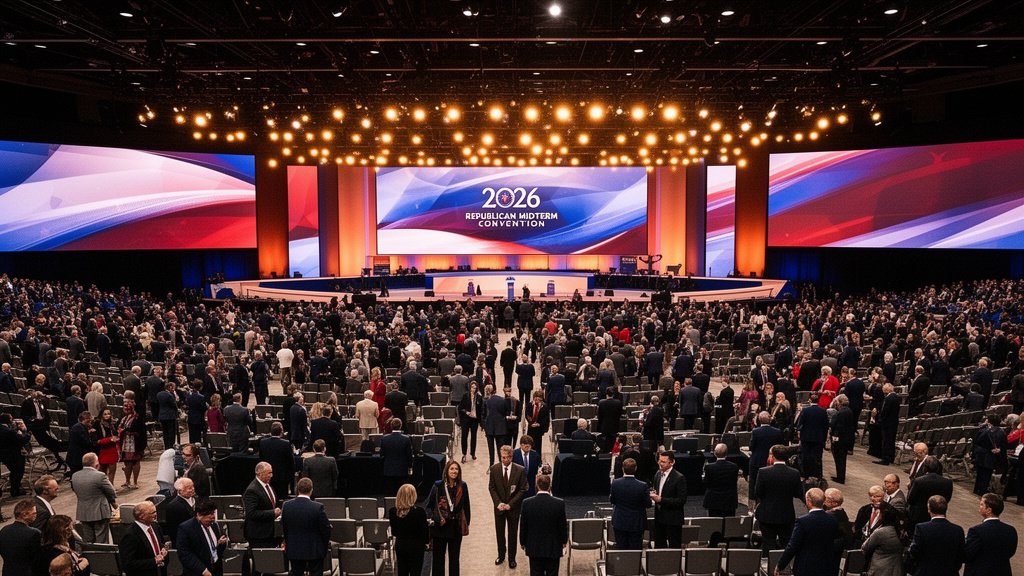
The increasing political polarization within the United States is a significant driver behind the public’s desire for a third party. As the Democratic and Republican parties have moved towards more distinct ideological extremes, many Americans feel left behind or unrepresented. This growing chasm has led to a perception that neither major party truly reflects the views of a substantial portion of the electorate. The current national news cycle often highlights the deep divisions and lack of compromise, further fueling the notion that the existing system is failing to serve the broader public interest.
The Uphill Battle: Structural Hurdles and Voter Hesitancy
Despite the strong desire for alternatives, the path for a third party in the USA remains fraught with formidable challenges. The U.S. electoral system, characterized by winner-take-all elections and single-member districts, inherently favors a two-party system, as dictated by principles like Duverger’s Law. This structure means that votes for third-party candidates are often perceived as “wasted” or as spoilers that could inadvertently help the major party a voter dislikes most.
Furthermore, third parties typically struggle with name recognition, fundraising, ballot access laws in various states, and substantial media coverage compared to their well-established major-party counterparts. Consequently, even when voters express a desire for a third option, their willingness to cast a vote for a candidate with little perceived chance of winning remains low. This creates a self-fulfilling prophecy: third parties struggle to gain traction because voters don’t believe they can win, and they can’t win because voters don’t believe they can.
Historical Precedents and Modern Aspirations
Historically, third parties have rarely achieved presidential victories. While figures like Theodore Roosevelt, Ross Perot, and George Wallace made significant impacts, they did not fundamentally alter the two-party dominance. In contemporary times, movements like Andrew Yang’s Forward Party have sought to tap into the desire for moderation and compromise, often focusing on grassroots organizing to circumvent some of the traditional barriers. Recent national discussions also include figures like Elon Musk contemplating new party formations, signaling that the allure of a third option persists, though the viability of such ventures remains uncertain. The struggles of independent candidates, even well-resourced ones, to gain ballot access and translate support into votes underscore the enduring power of the established system.
Conclusion: A Persistent Desire, An Unyielding System
The current national sentiment reveals a profound disconnect: Americans widely acknowledge the shortcomings of the Democratic and Republican parties and express a clear desire for a third major political force. However, the deeply entrenched structural advantages of the two-party system, coupled with voter concerns about election outcomes and the perceived lack of viability for third-party candidates, create a powerful inertia. Until these systemic and strategic barriers are addressed, the demand for a third party is likely to remain a potent, yet largely unfulfilled, aspiration in U.S. politics, shaping the national discourse but not the electoral map.