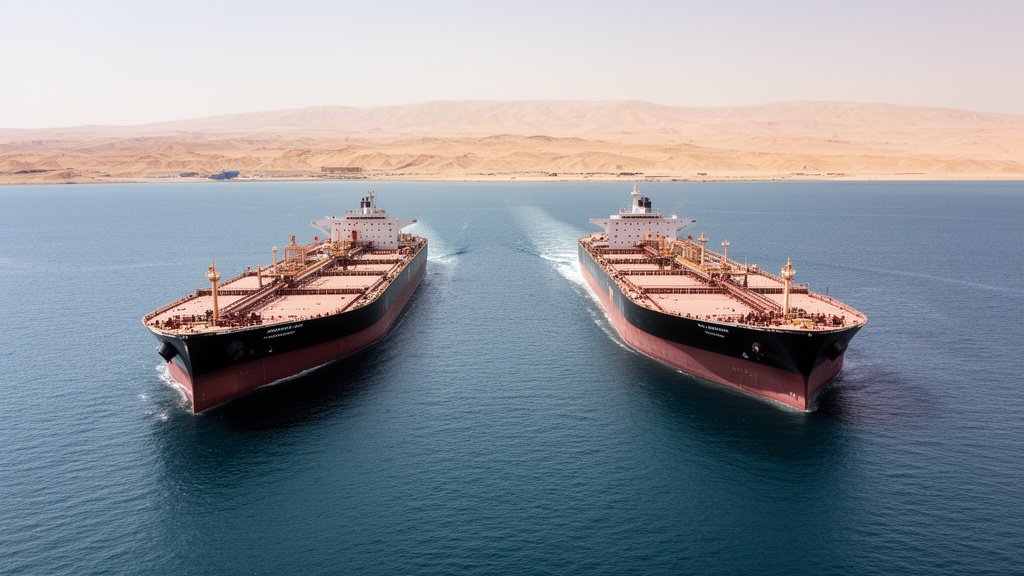
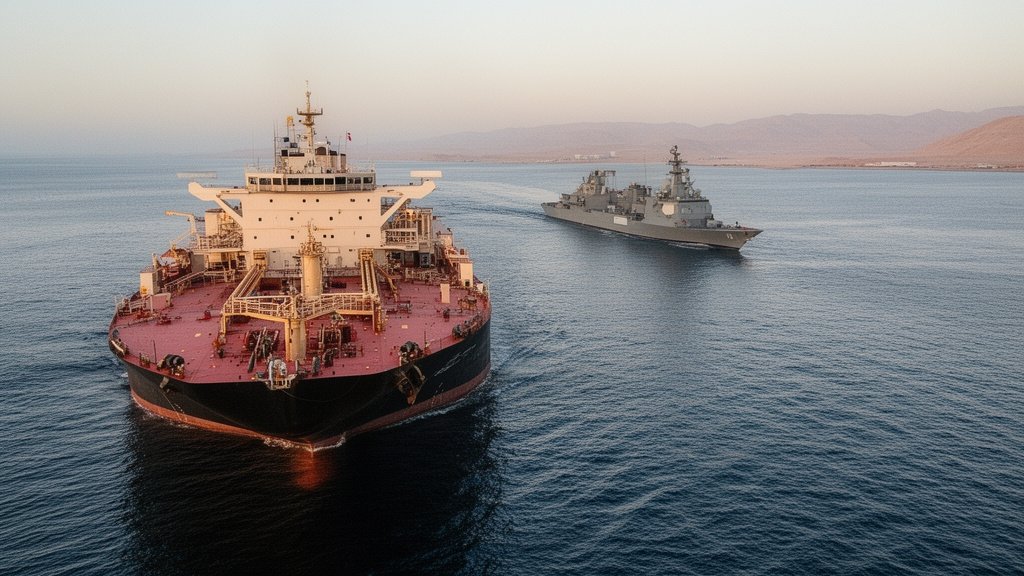
In a decisive shift in regional aerial warfare capabilities, the United States Air Force (USAF) has successfully deployed the GBU-72 Advanced 5K Penetrator in combat operations for the first time. The precision strike targeted fortified, underground Iranian missile installations strategically positioned along the Strait of Hormuz. These facilities were identified by U.S. intelligence as posing an immediate, credible threat to international navigation and the secure flow of maritime traffic through one of the world’s most vital economic chokepoints. This deployment marks a significant milestone in modern munitions capability, demonstrating the ability to neutralize deep-buried threats that were previously considered impervious to conventional air-launched weaponry.
Key Highlights
- Combat Debut: The GBU-72 Advanced 5K Penetrator has been used in an active combat theater for the first time, signaling a major operational update in U.S. bunker-busting technology.
- Strategic Target: The operation targeted hardened, subterranean missile sites in the vicinity of the Strait of Hormuz, which U.S. officials state were actively threatening global shipping routes.
- Technological Shift: The GBU-72 is designed to be carried by the F-15E Strike Eagle, offering a significant upgrade in penetration depth and precision compared to legacy munitions like the GBU-28.
- Navigation Security: The strikes aim to degrade Iran’s ability to employ anti-ship missile batteries, ensuring the continued safety of commercial oil and cargo vessels navigating the Strait.
The Strategic Evolution of Precision Munitions in the Strait of Hormuz
The Strait of Hormuz serves as the jugular vein of the global energy supply chain, with approximately 20 to 30 percent of the world’s daily petroleum output transiting its narrow lanes. For decades, the region has been a focal point of geopolitical tension, with various state and non-state actors seeking to project power through anti-access/area-denial (A2/AD) capabilities. The recent U.S. military action against Iranian missile installations underscores a critical evolution in how the United States intends to maintain freedom of navigation in these contested waters.
Why the GBU-72 Changes the Equation
The GBU-72 Advanced 5K Penetrator is not merely an incremental update; it is a fundamental shift in kinetic warfare. Designed to be carried by the F-15E Strike Eagle, this weapon was engineered to address the growing challenge of ‘hard and deeply buried targets’ (HDBT). While previous bunker-busters like the GBU-28 were highly effective for their time, the GBU-72 leverages modern sensor integration and refined aerodynamics to penetrate significantly reinforced concrete and rock structures that were once deemed ‘impenetrable’ by standard aerial platforms.
By deploying this specific munition, the U.S. Air Force is signaling a level of technical sophistication that creates a dilemma for regional adversaries. If subterranean facilities can no longer guarantee the safety of missile batteries and command-and-control centers, the cost-benefit analysis for Iran’s A2/AD strategy shifts dramatically. This strike wasn’t merely about destroying specific missile batteries; it was a demonstration of a persistent, all-weather, precision-strike capability that can reach into the deep earth to neutralize threats before they can be mobilized against shipping traffic.
The Operational Context: Securing the Chokepoint




The decision to utilize the GBU-72 comes after months of escalating tensions. Intelligence reports have consistently pointed to the integration of anti-ship cruise missiles (ASCMs) and surface-to-air missile (SAM) systems into hardened, cave-like structures within the coastal mountains along the Strait. These sites provided a tactical ‘hide-and-strike’ capability that made conventional targeting difficult. By burying these assets, Iranian forces could effectively shield them from satellite observation and light aerial bombardment, emerging only when necessary to threaten transiting vessels.
However, the recent combat debut of the GBU-72 has rendered this strategy far less viable. The operation was likely supported by real-time intelligence, surveillance, and reconnaissance (ISR) data, possibly utilizing high-altitude drones and satellite imagery to pinpoint structural weak points in the installations. The successful destruction of these targets demonstrates that the U.S. is not only willing to strike but has the specific tools required to ensure these hardened sites are effectively neutralized, thereby stripping the adversary of their primary regional deterrent.
Long-term Implications for Regional Stability
The ripple effects of this strike will be felt in capitals far beyond the Strait of Hormuz. For regional partners, the deployment confirms the United States’ commitment to maintaining the flow of global commerce through open seas. For Tehran, the operation represents a tangible loss of a high-value asset, forcing a re-evaluation of how they secure their missile inventory.
Furthermore, this operation sets a precedent for the use of advanced munitions in regional skirmishes. We are moving away from the era of general air superiority and into a specialized era where the ‘bunker-buster’ is a tool of routine, high-stakes diplomacy through force. As the U.S. continues to refine the GBU-72’s targeting software and integration with newer stealth platforms, the protective ‘blanket’ of the earth will provide less and less security for those attempting to threaten the global economy from underground.
FAQ: People Also Ask
What makes the GBU-72 different from older bunker-busters?
The GBU-72 is a 5,000-pound class weapon that integrates advanced tail-kit guidance systems and a optimized penetrator casing. Unlike the GBU-28, which was designed in the 1990s, the GBU-72 is specifically engineered for modern, high-strength concrete and deep-earth penetration, significantly increasing the probability of success against hardened, deeply buried targets (HDBT).
Why was the Strait of Hormuz targeted with this specific weapon?
The Strait is a vital global economic chokepoint. Intelligence indicated that Iran was concealing mobile anti-ship missile batteries and command infrastructure in subterranean tunnels near the coast. These facilities were designed to survive standard airstrikes; the GBU-72 was the only conventional tool capable of ensuring the destruction of these fortified installations to secure shipping lanes.
Does this move signal an escalation of conflict in the Middle East?
This action is described by U.S. officials as a defensive measure intended to deter threats to maritime navigation. By neutralizing the offensive capability of these underground sites, the U.S. aims to stabilize the region rather than escalate, though observers note that such precise kinetic actions often trigger diplomatic and retaliatory responses from the affected parties.
What aircraft carries the GBU-72?
The primary platform for the GBU-72 is the F-15E Strike Eagle. This pairing allows the weapon to be deployed rapidly and with high precision. Its integration into the Strike Eagle’s diverse payload capability means that combatant commanders can strike targets that previously would have required much larger, more vulnerable, or less agile delivery systems.