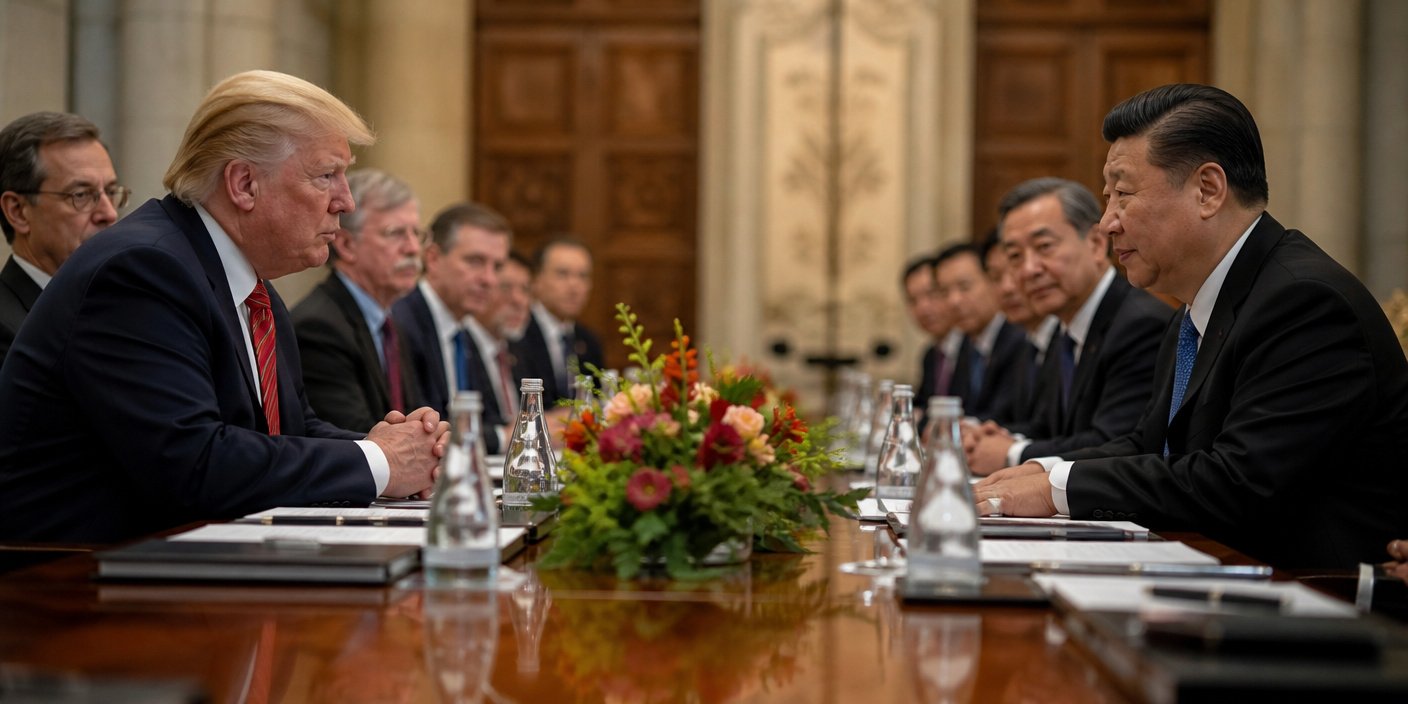
Former President Donald Trump has commented on the ongoing Russia-Ukraine conflict, suggesting that a potential ceasefire could signal “the beginning of the end” of the war. This statement comes at a time when domestic US politics is intensely focused on redistricting decisions, adding another layer of complexity to the nation’s political landscape.
Key Highlights:
- Donald Trump views a potential Russia-Ukraine ceasefire as a significant turning point.
- The statement coincides with critical redistricting processes across the United States.
- The dual focus on international conflict and domestic political maneuvering highlights a complex geopolitical and domestic climate.
Shifting Sands of Global and Domestic Politics
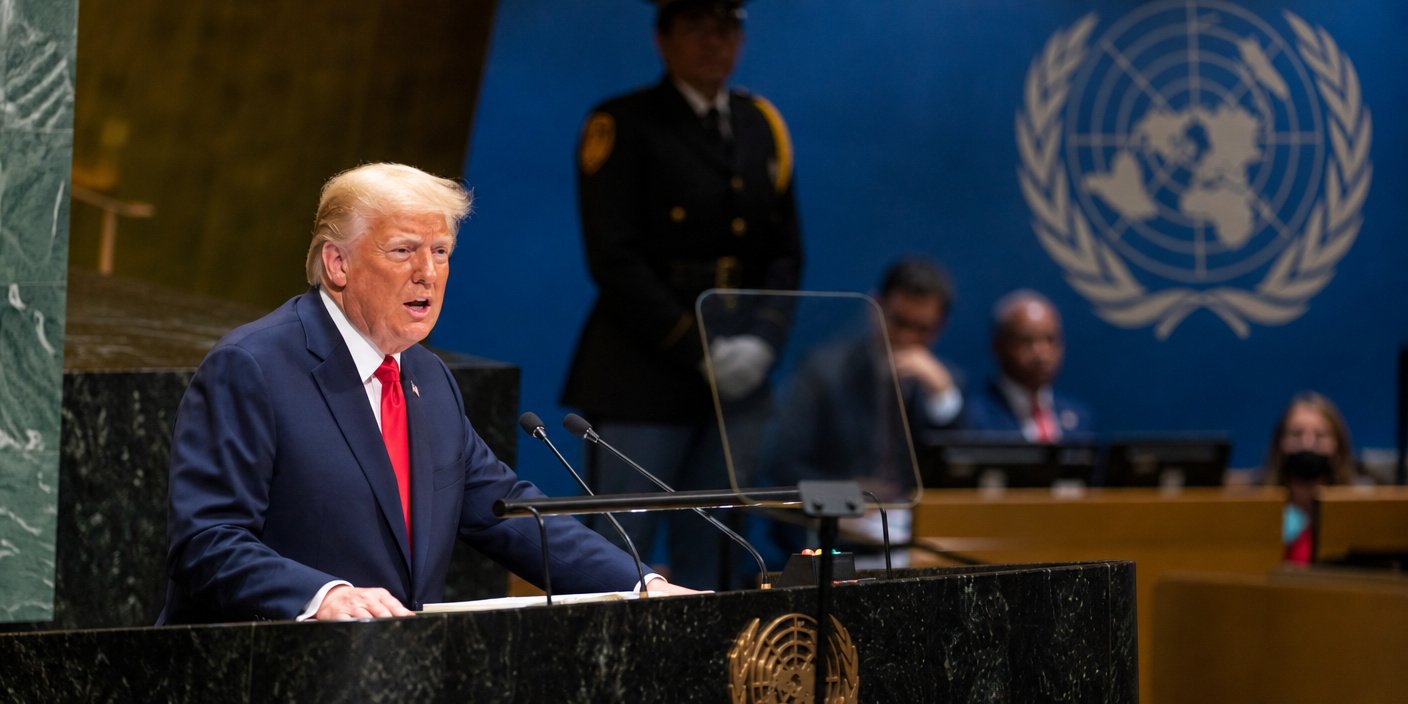
The international stage remains dominated by the protracted conflict between Russia and Ukraine. As diplomatic efforts continue to ebb and flow, former President Donald Trump has offered his perspective, characterizing any movement towards a ceasefire as a potentially pivotal moment. His remark that such a development could be “the beginning of the end” suggests an interpretation that a cessation of hostilities, even if fragile, might represent a definitive step towards resolving the prolonged war. This outlook, coming from a prominent figure in American politics, carries significant weight and invites further analysis of the potential implications for global stability and the future of international relations.
Geopolitical Implications of a Ceasefire


The prospect of a ceasefire in Ukraine, while potentially welcomed as a reduction in violence, carries multifaceted implications. For Ukraine, it could mean a reprieve from devastating warfare, allowing for reconstruction and a return to some semblance of normalcy, albeit in a severely altered landscape. However, it also raises questions about territorial integrity and the long-term geopolitical alignment of the region. For Russia, a ceasefire might be viewed as an opportunity to consolidate gains and manage domestic pressures, while also potentially facing international scrutiny regarding its objectives and actions. The international community, including allies and adversaries alike, will be closely observing the terms and sustainability of any such agreement, with potential impacts on global energy markets, refugee flows, and broader security alliances.
Domestic Distractions: The Redistricting Conundrum
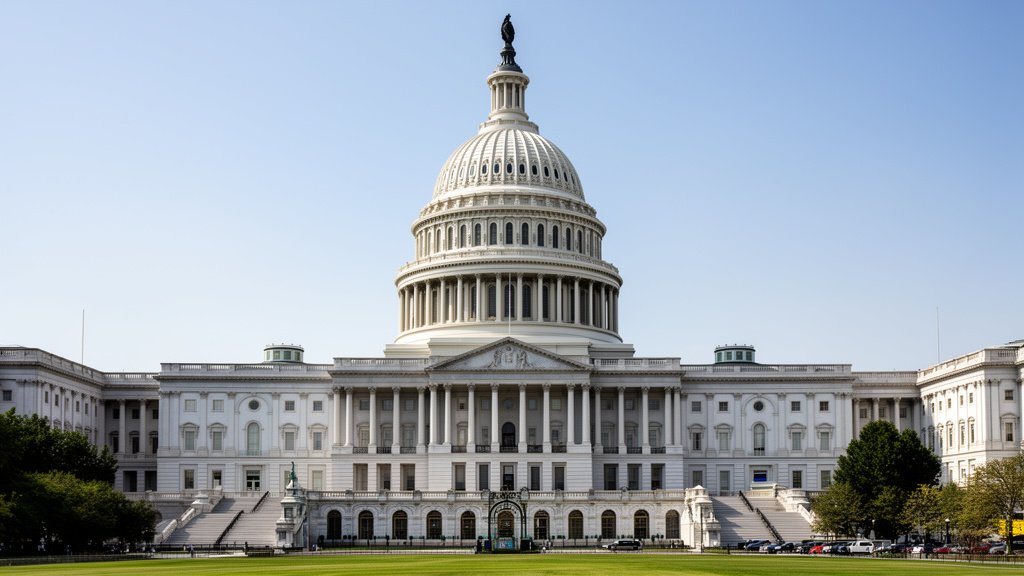
Simultaneously, the political arena within the United States is deeply engrossed in the complex and often contentious process of redistricting. Following the decennial census, states are tasked with redrawing the boundaries of their congressional and state legislative districts. This process is inherently political, as the drawing of new lines can significantly influence election outcomes for years to come, potentially favoring one party over another. The outcomes of redistricting battles can lead to partisan gerrymandering, legal challenges, and intense public debate, reflecting the ongoing struggle for political power and representation within the nation. The timing of Trump’s remarks on the international stage, juxtaposed with these domestic political maneuvers, underscores the intricate balance of attention and priorities facing the US government and its populace.
The Interplay of International Diplomacy and Domestic Agendas
The convergence of these two significant narratives – the Ukraine conflict and US redistricting – presents a fascinating case study in the interplay between foreign policy and domestic political imperatives. Decisions made on the international stage can have profound domestic repercussions, influencing public opinion, resource allocation, and political discourse. Conversely, domestic political considerations, such as election cycles and partisan strategies, can shape a nation’s approach to foreign policy. In this instance, the focus on redistricting might divert attention and resources that could otherwise be directed towards addressing international crises. Conversely, significant developments in the Ukraine war could potentially shift the national conversation, impacting the strategies and outcomes of domestic political battles. Understanding this dynamic interplay is crucial for comprehending the broader trajectory of both American politics and global affairs.
FAQ: People Also Ask
What is redistricting and why is it important?
Redistricting is the process of redrawing the boundaries of electoral districts, typically after a census, to ensure that each district has roughly equal population. It’s crucial because the way districts are drawn can significantly impact election outcomes, potentially leading to gerrymandering, where boundaries are manipulated to favor a particular party or group, thereby affecting political representation.
What are the potential consequences of a Russia-Ukraine ceasefire?
A ceasefire could lead to a reduction in bloodshed and a potential start to reconstruction efforts in Ukraine. However, it also raises questions about territorial concessions, the long-term political future of affected regions, and the potential for renewed conflict if underlying issues are not resolved. International reactions and support for Ukraine would likely be re-evaluated.
How does redistricting affect US politics?
Redistricting directly influences the balance of power in legislative bodies. Properly conducted redistricting ensures fair representation, while gerrymandering can entrench incumbents, reduce competition, and lead to more polarized political outcomes by creating safe seats for one party.
What is Donald Trump’s general stance on the Russia-Ukraine war?
Throughout the conflict, Donald Trump has often expressed skepticism about the level of US involvement and has suggested he could negotiate a peace deal rapidly if elected. His comments often focus on what he perceives as the financial and strategic costs to the United States, advocating for a swift resolution.
How do international events impact domestic US political issues like redistricting?
International events can shift public attention and priorities, potentially influencing voter engagement and the political discourse surrounding domestic issues. Significant global developments may also affect economic conditions or national security perceptions, which in turn can be leveraged by political actors during domestic campaigns and policy debates, including those related to redistricting.