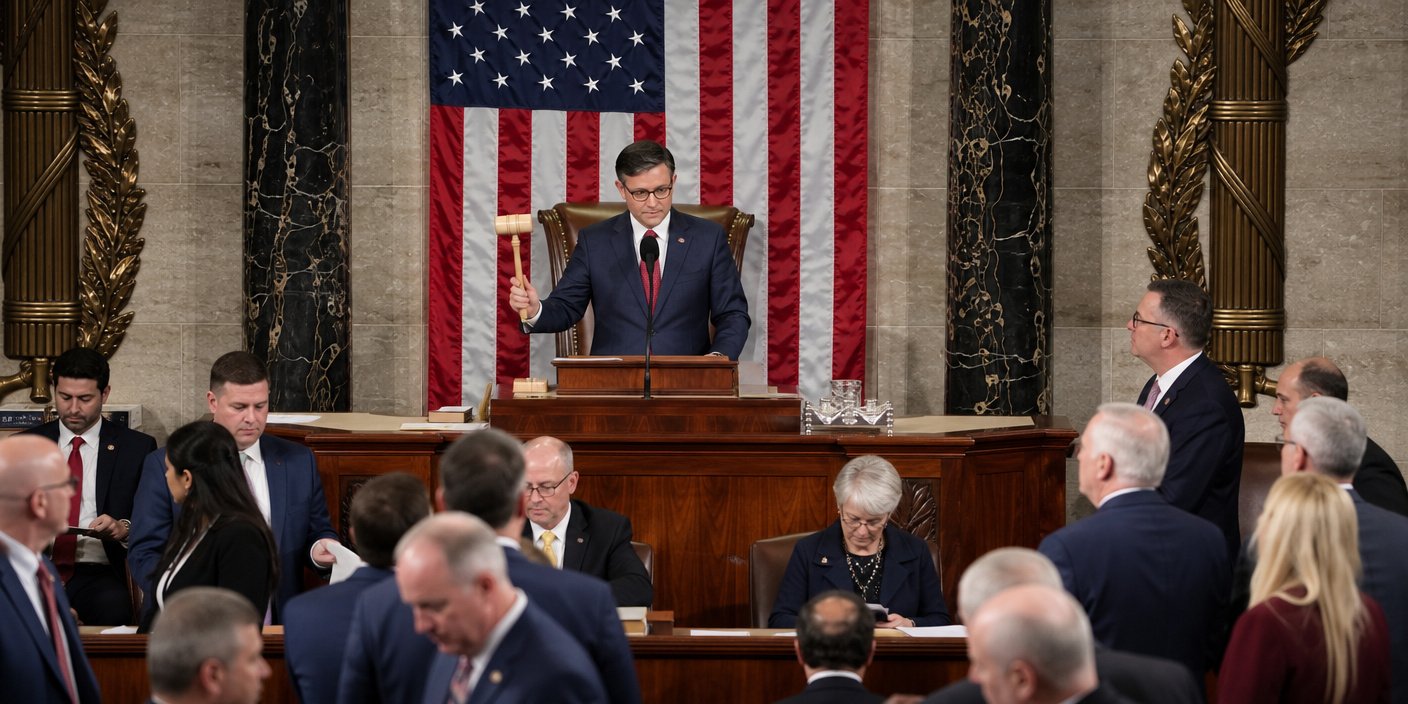
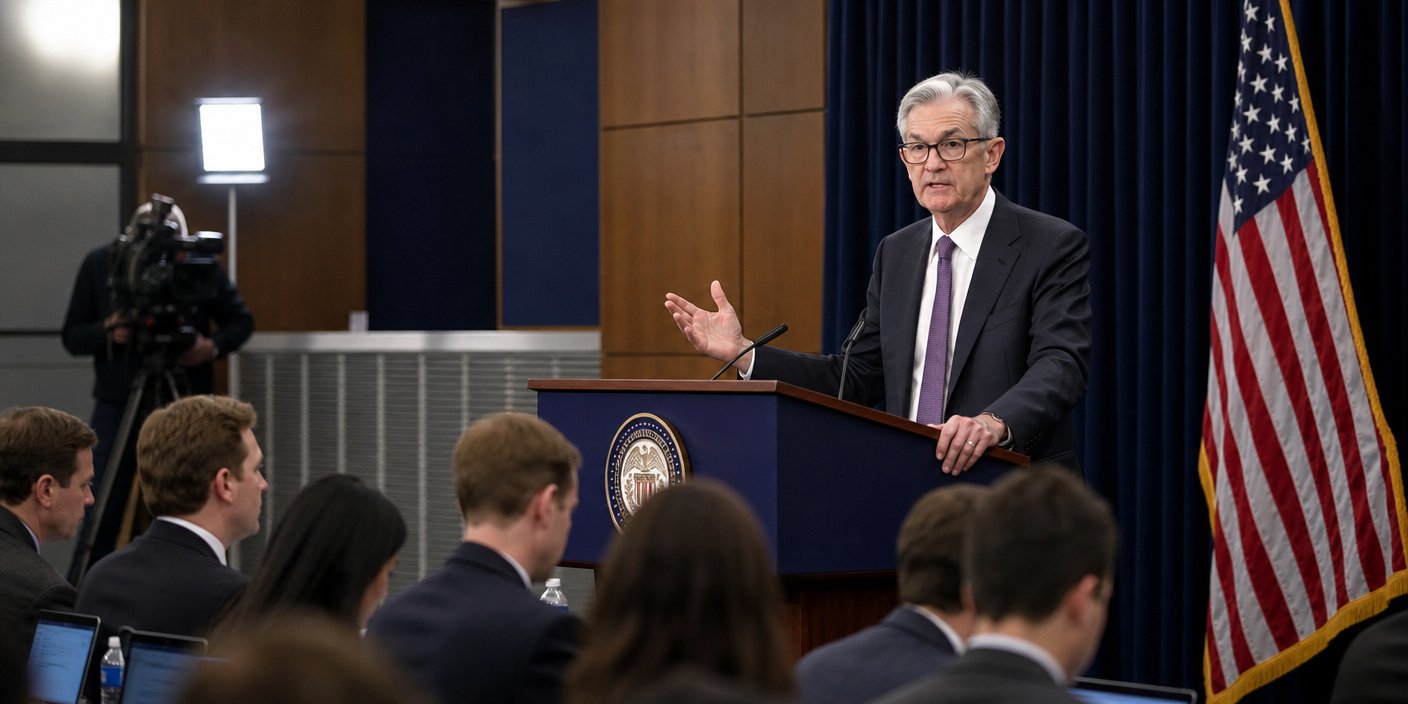
The Indian equity benchmark indices, Sensex and Nifty, commenced trading on Monday, October 13, 2025, on a sharply lower note, mirroring a widespread sell-off across global markets. The primary catalyst for the downturn was the renewed escalation of trade tensions between the United States and China, triggered by fresh tariff threats from US President Donald Trump.
Market Snapshot: Sensex and Nifty Open in the Red
At the opening bell, the BSE Sensex registered a significant drop, falling approximately 450 points to trade around the 82,049 mark. Concurrently, the NSE Nifty slipped below the crucial 25,200 level, opening around 25,177. This broad-based decline extended to the broader market indices, with the Nifty Midcap and Smallcap indices also trading in negative territory. The market sentiment was one of heightened caution, evidenced by a sharp spike in the India VIX, the volatility index, which surged by over 11%.
Global Headwinds Drive Market Weakness

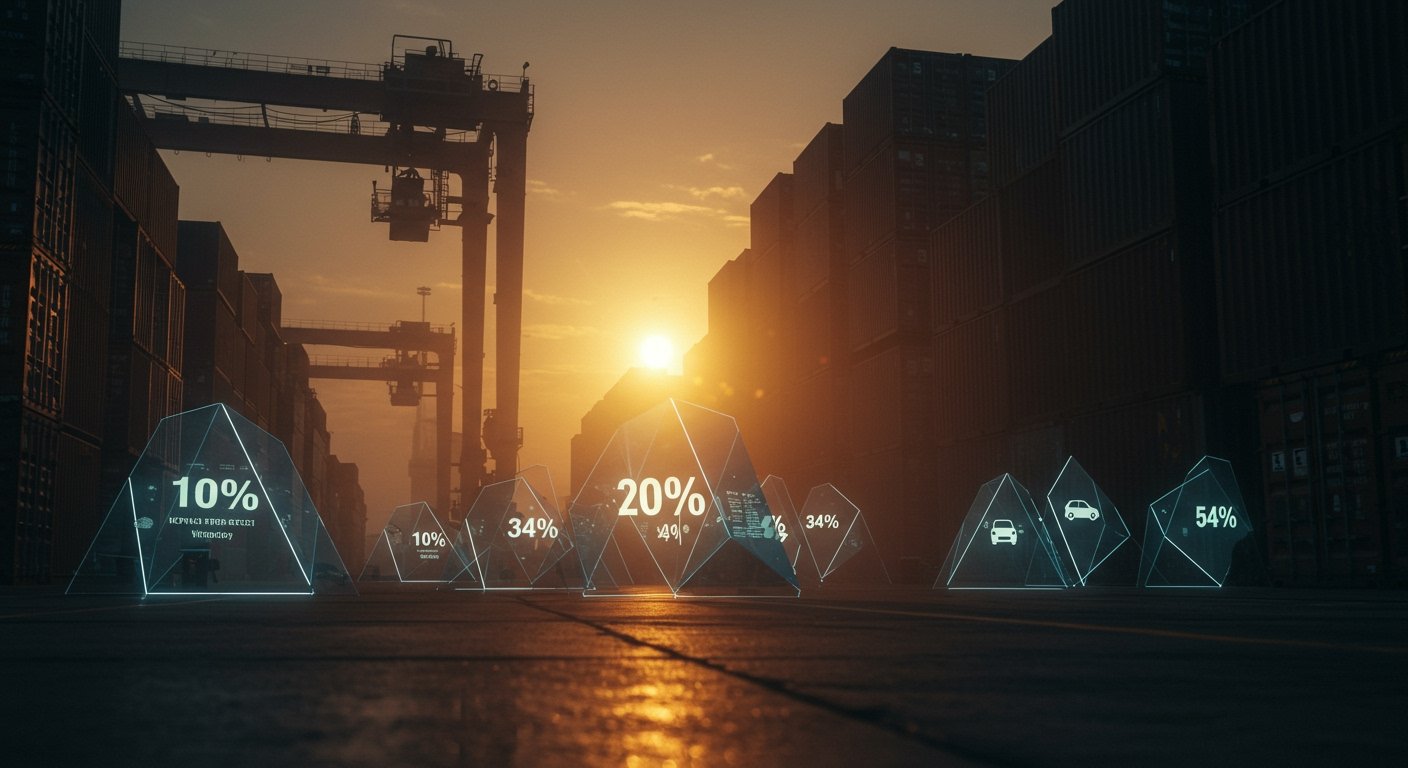
The primary driver behind the market’s subdued opening was the aggressive stance taken by US President Donald Trump, who threatened to impose an additional 100% tariff on Chinese goods, effective November 1, 2025. This move was a direct response to China’s tightened export controls on rare earth minerals and critical software, which are vital components for numerous high-tech industries. The renewed tariff threats rekindled fears of a full-blown trade war between the world’s two largest economies, prompting a significant sell-off on Wall Street on Friday, which then spilled over into Asian markets and subsequently impacted Indian equities.
Asian markets, including Hong Kong’s Hang Seng and Shanghai Composite, experienced sharp declines, reflecting the global anxiety over disrupted supply chains and potential impacts on economic growth. The benchmark indices in India followed suit, breaking a two-day winning streak.
IT Stocks Face Intense Selling Pressure
Among the sectoral performances, the Information Technology (IT) sector bore the brunt of the selling. The Nifty IT index saw a notable decline, falling over 1% as investors worried about the potential impact on global demand for technology services and software exports. Major IT heavyweights such as Infosys, Wipro, and Persistent Systems featured among the top laggards on the Sensex and Nifty. Other sectors, including Fast-Moving Consumer Goods (FMCG) and metals, also experienced selling pressure, contributing to the overall negative sentiment.
Safe Havens Shine Amidst Uncertainty
In a stark contrast to the equity markets, commodities perceived as safe-haven assets saw significant gains. Gold prices surged to a new record high, with futures for December delivery reaching ₹1,23,680 per ounce on MCX. Silver prices also climbed sharply. This movement indicated that investors were moving away from riskier assets and seeking refuge in traditional safe havens amidst the prevailing global uncertainty.
Expert Commentary and Market Outlook
Analysts noted that while the immediate market reaction was negative, there were signs of potential recovery. Some experts suggested that the current downturn could present buying opportunities, a strategy often employed by investors in developed markets. The consistent buying by Foreign Institutional Investors (FIIs) in the preceding days had provided some stability to the Indian market, though it was currently overshadowed by global cues.
Concerns over the ongoing US-China trade dispute, combined with potential profit-taking after a recent rally, contributed to the cautious investor sentiment. While President Trump later signaled a slightly softened stance, the underlying geopolitical uncertainty persisted, keeping traders on edge. The impact on India’s export sector was also a point of discussion, with potential opportunities arising from global trade realignments.
As the trading week unfolds, market participants will closely monitor developments in the US-China trade dialogue, key economic data releases, and the ongoing Q2FY26 earnings season. The performance of major companies like Reliance Industries, Infosys, and HDFC Bank, which are set to declare their quarterly results, will also be crucial in shaping market direction.