Tennessee lawmakers are set to vote on a new congressional map that reflects the will of former President Donald Trump, a move that would significantly alter the political landscape of Memphis by effectively carving up its representation in the U.S. House of Representatives. This proposed map has ignited fierce debate, pitting the desires of national party leadership against the voices of local constituents and potentially setting a precedent for how congressional districts are drawn in the future.
Key Highlights:
- A new U.S. House map, influenced by Donald Trump, is up for a vote in Tennessee.
- The map is designed to dismantle the existing congressional district that encompasses Memphis.
- The move aims to create a more favorable Republican district, potentially impacting future election outcomes.
- The vote is expected to be contentious, with significant opposition from local communities and some state Democrats.
Reshaping Memphis: The Trump-Influenced Redistricting Effort
The Tennessee legislature is on the brink of a significant political maneuver: voting on a new congressional map that has been reportedly shaped by former President Donald Trump’s preferences. At the heart of this controversy is the proposed re-drawing of Tennessee’s 7th Congressional District, which currently encompasses the majority of Memphis. The plan, if enacted, would effectively split Memphis across multiple districts, a strategy widely seen as an effort to dilute the voting power of the city’s predominantly Democratic and minority population and create a more secure Republican seat.
The Mechanics of the Map Change
Under the proposed map, the existing configuration of Tennessee’s congressional districts would be significantly altered. The primary goal appears to be the creation of a new, more reliably Republican district by fragmenting the urban core of Memphis. This would mean that constituents in different parts of the city would be represented by different members of Congress, potentially leading to a less cohesive voice for Memphis on Capitol Hill. Political analysts suggest this is a strategic play to bolster the Republican Party’s strength in a state that has been trending more conservative.
Political Motivations and Trump’s Influence


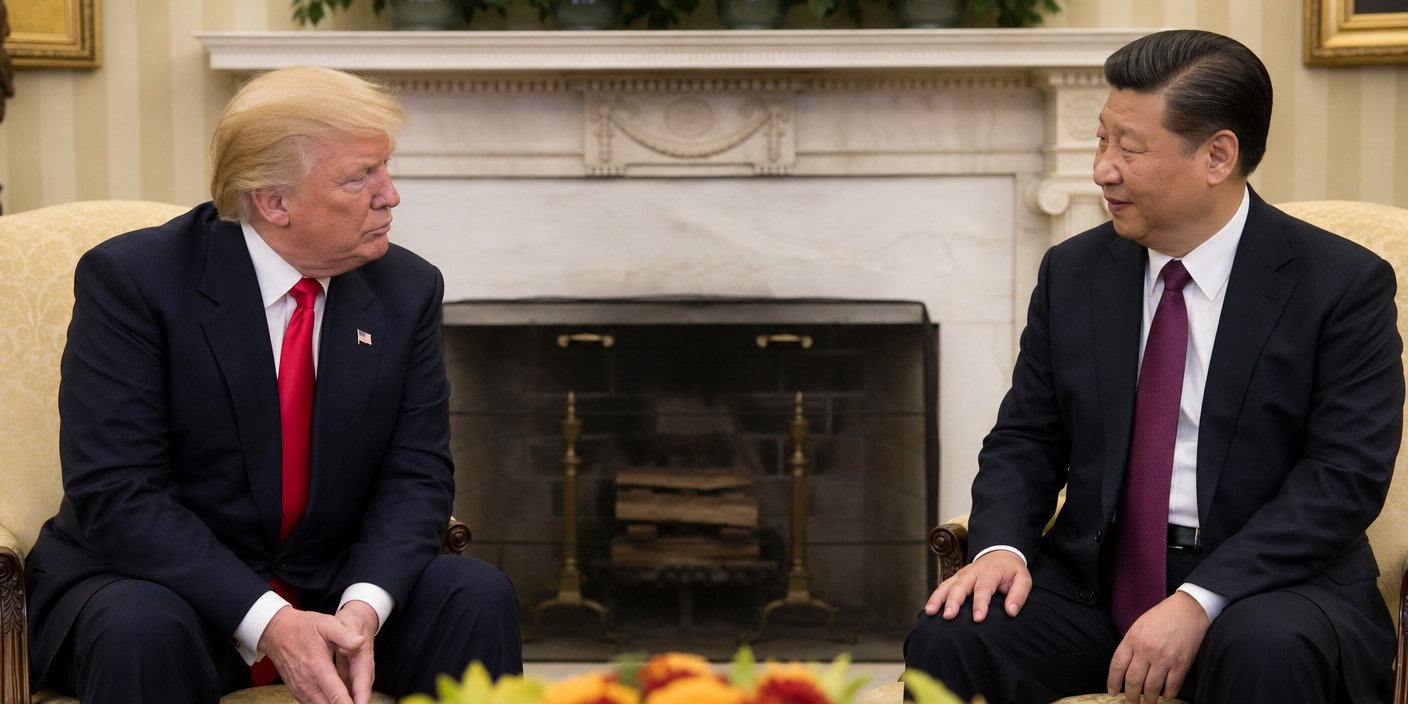
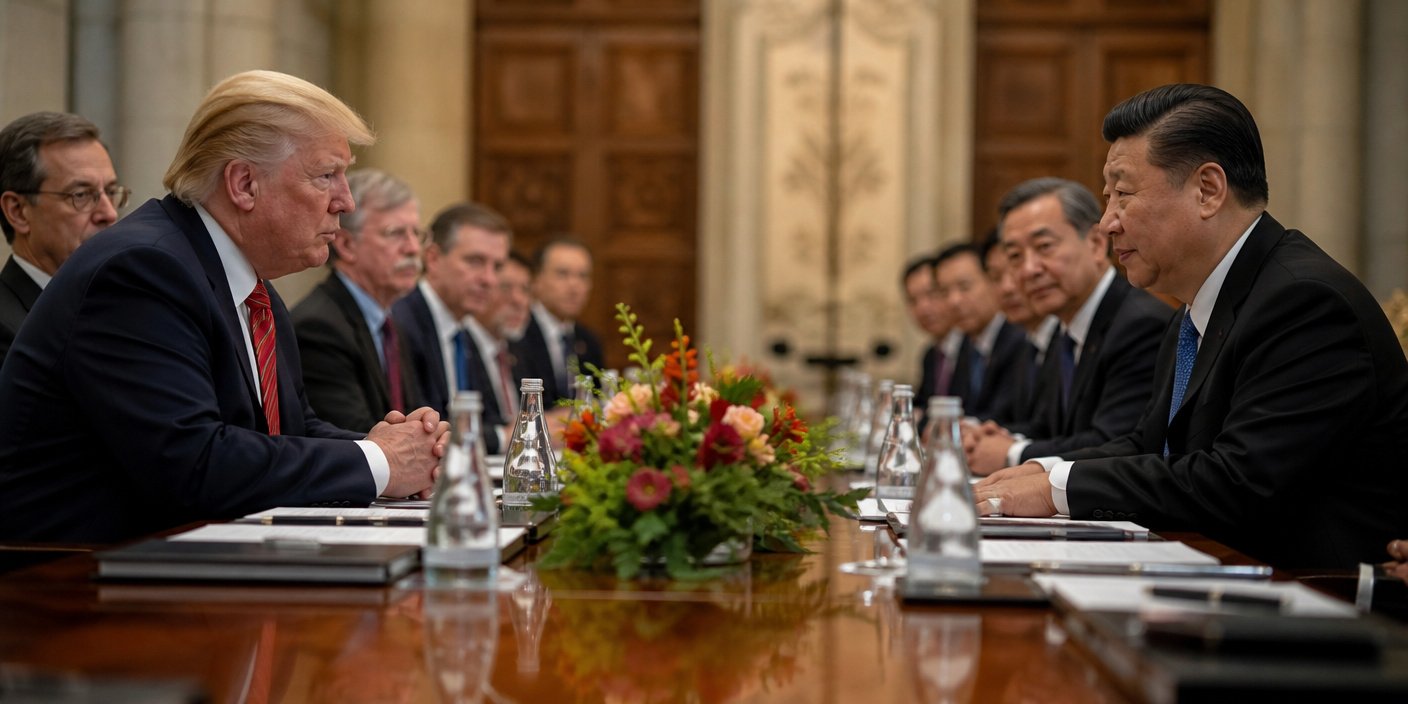
The involvement of Donald Trump in the redistricting process for Tennessee is notable. Reports indicate that Trump had expressed a desire for a more favorable map in the state, and this proposed legislation appears to align with those wishes. Redistricting, the process of redrawing electoral boundaries, is often a highly partisan affair. In states with Republican-controlled legislatures, such as Tennessee, the party in power typically draws maps that maximize their chances of winning seats. Trump’s alleged influence suggests a coordinated national effort by the Republican party to solidify its House majority through favorable district lines, even in states where incumbents might otherwise face competitive races.
Opposition and Local Concerns
The proposed map has already drawn sharp criticism from Tennessee Democrats and various community groups in Memphis. Opponents argue that the plan is a blatant attempt at partisan gerrymandering that disenfranchises voters and undermines the principle of fair representation. They contend that splitting a major urban center like Memphis into multiple districts is not only politically motivated but also detrimental to the city’s ability to address its unique challenges and advocate for its needs. Concerns have been raised about the impact on minority representation, as such splits can dilute the voting power of minority communities.
Historical Context of Redistricting Battles
Redistricting in Tennessee, like in many other states, has historically been a contentious issue. Following each decennial census, states redraw their congressional and state legislative district boundaries. This process is mandated to ensure that districts remain roughly equal in population. However, the way these lines are drawn can profoundly impact election outcomes for the next decade. Tennessee has seen its share of redistricting battles, often pitting Republicans against Democrats, and more recently, state-level ambitions against local community interests. This current push, with alleged national party involvement, represents a significant escalation of these political battles.
Potential Impact on Future Elections
If this new map is adopted, it is highly likely to reshape the political delegation Tennessee sends to Washington. The creation of a new Republican-leaning district, carved from what is currently a Democratic stronghold, could lead to increased Republican representation from the state. This could also affect the electoral prospects of current representatives whose districts are altered or eliminated. The long-term consequence could be a more predictably Republican congressional delegation from Tennessee, further solidifying the state’s conservative leanings in national politics.
FAQ: People Also Ask
What is redistricting and why is it controversial?
Redistricting is the process of redrawing electoral district boundaries by the party in power, which can be done to represent new population data or to provide advantages to a political party. It is controversial because the way district lines are drawn can heavily influence election outcomes, and it is often used for partisan gerrymandering, where the majority party manipulates boundaries to secure more seats and dilute the voting power of opposing parties or specific demographic groups.
How does Donald Trump’s alleged involvement impact redistricting?
When a prominent political figure like Donald Trump allegedly influences redistricting, it suggests a high level of national party strategy aimed at maximizing electoral gains. This can lead to maps that are drawn less for fair representation and more to secure seats for the party nationally, potentially overriding local concerns or the principles of competitive elections.
What are the potential consequences of splitting a major city like Memphis into multiple congressional districts?
Splitting a major city like Memphis into multiple congressional districts can weaken its collective voice in Congress. Representatives may prioritize the needs of the specific part of the city they represent, or the interests of the broader district’s majority party, potentially leading to less focused advocacy for the city as a whole. It can also dilute the voting power of specific demographic groups within the city.
What is gerrymandering?
Gerrymandering is the practice of manipulating the boundaries of electoral districts to favor one party or class. It can involve ‘cracking’ (splitting up voters of a particular type among many districts so that they are a minority in each) or ‘packing’ (concentrating as many voters of one type into a single electoral district as possible to reduce their influence in other districts).
What is the role of state legislatures in congressional redistricting?
In most states, state legislatures are primarily responsible for drawing the boundaries for congressional districts. They typically do this after each decennial U.S. Census to ensure districts are roughly equal in population. However, the process is often highly politicized, leading to partisan battles and legal challenges over the fairness of the drawn maps.