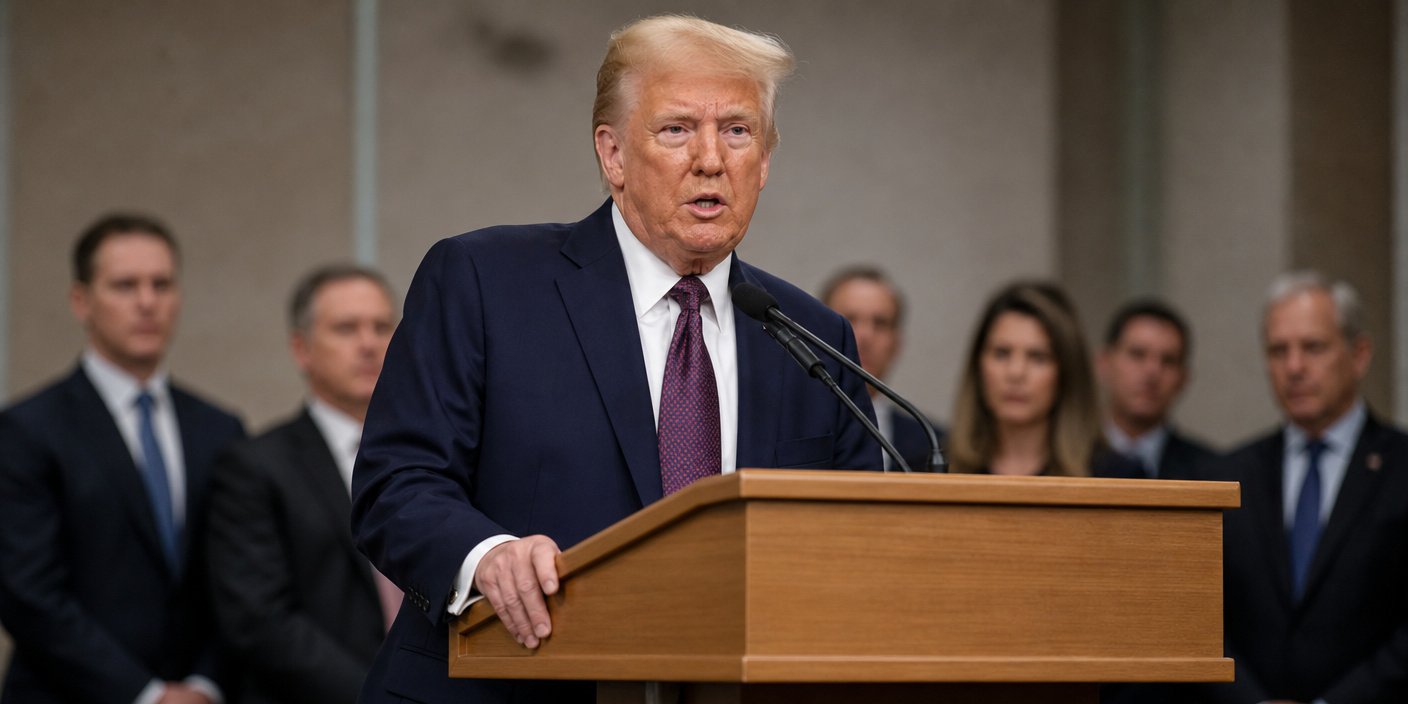
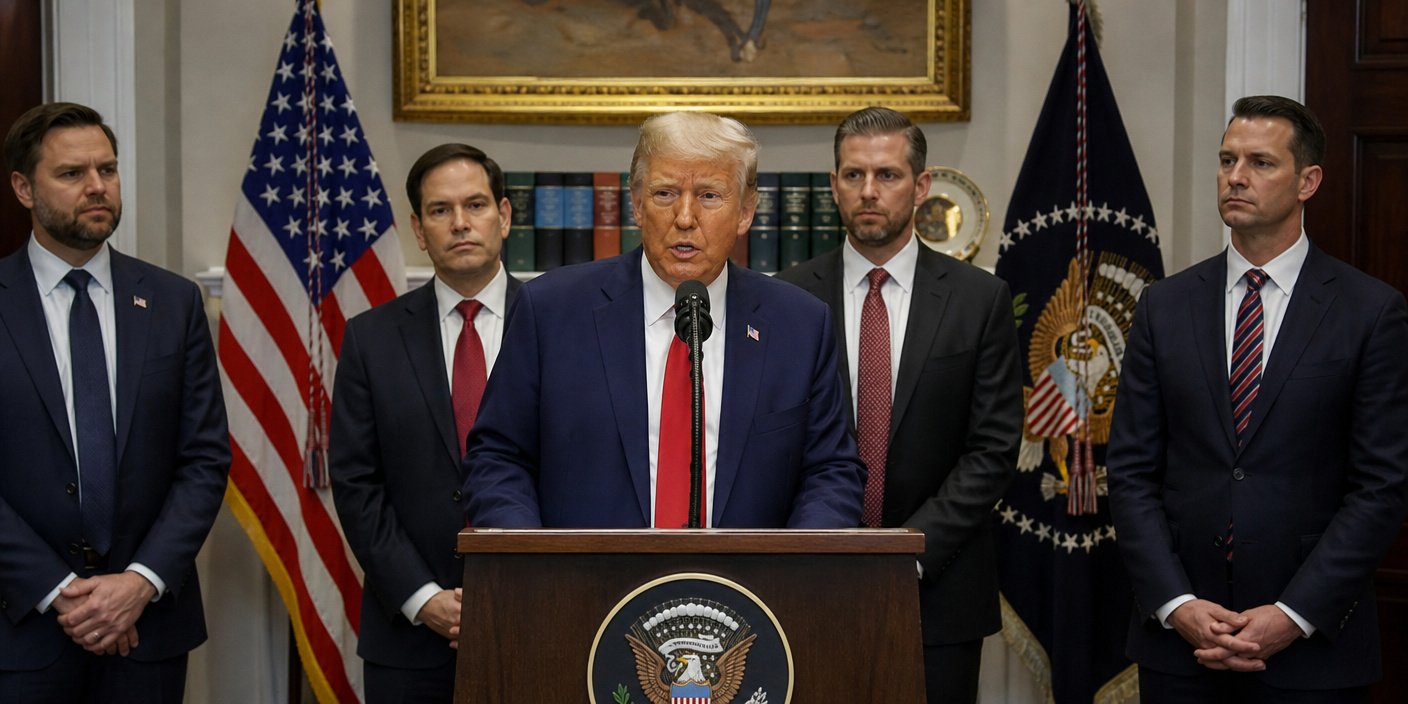
Leaders from the Group of Seven (G7) nations have convened in France for their annual summit, facing a packed agenda dominated by escalating geopolitical tensions and domestic political challenges.
Key Highlights:
- Israel’s stance on a Lebanon ceasefire is complicating potential U.S.-Iran negotiations.
- The G7 summit’s first day is underway in France.
- Voters in several U.S. states are participating in primary elections.
G7 Summit Grapples with Interconnected Crises
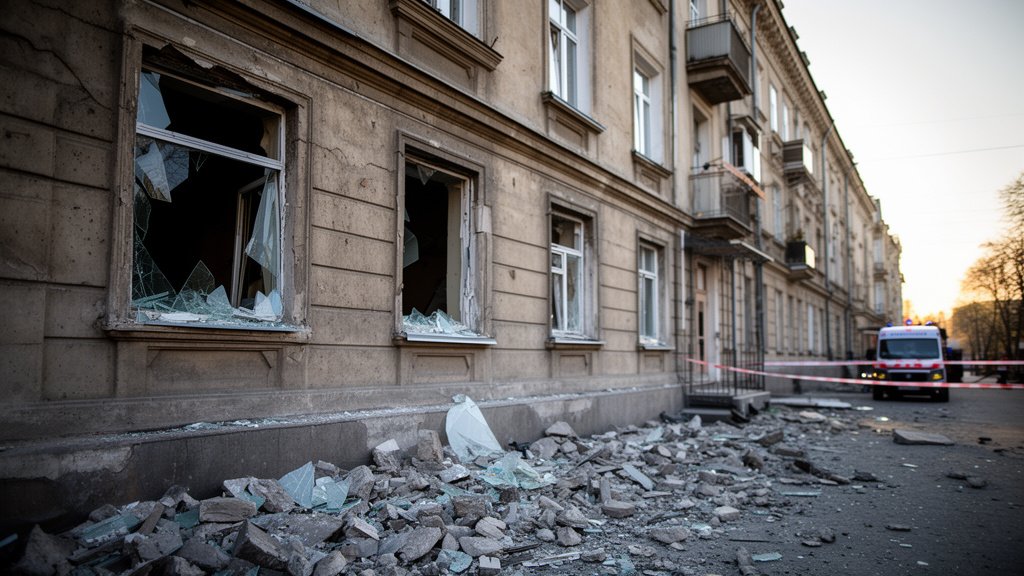
The first full day of the G7 summit in the picturesque setting of France has begun, with leaders of the world’s leading industrial nations confronting a complex web of global challenges. At the forefront of discussions is the volatile situation in the Middle East, particularly Israel’s reluctance to agree to a ceasefire in Lebanon. This stance is reportedly creating significant hurdles for ongoing, albeit indirect, negotiations between the United States and Iran, adding another layer of complexity to international diplomacy. The outcome of these discussions could have far-reaching implications for regional stability and global energy markets.
Geopolitical Chessboard: U.S., Iran, and the Lebanon Conflict




The intricate relationship between the U.S. and Iran, further strained by the ongoing conflict in Lebanon, is a central theme. Analysts suggest that a de-escalation in Lebanon is a prerequisite for any meaningful progress in the broader U.S.-Iran dialogue, which could in turn impact international efforts to curb Iran’s nuclear program. The G7’s collective diplomatic pressure could be a crucial factor in influencing the parties involved.
Domestic Fronts: U.S. Primaries and Political Mandates
Meanwhile, across the Atlantic, voters in several U.S. states are heading to the polls for primary elections. These contests are not only shaping the upcoming general elections but also serving as a litmus test for the current political landscape and the mandates of various parties. The results could influence the U.S.’s negotiating position and its ability to project stability on the global stage, especially as President Biden participates in the G7 summit.
Economic Undercurrents and Global Stability
Beyond the immediate geopolitical hotspots, the G7 leaders are also expected to address pressing economic issues, including inflation, supply chain resilience, and the global energy transition. The interconnectedness of these challenges means that progress in one area could have ripple effects across others. The summit provides a critical platform for coordinated action and policy alignment among key global economies.
FAQ: People Also Ask
What is the G7?
The G7 (Group of Seven) is an intergovernmental political forum consisting of Canada, France, Germany, Italy, Japan, the United Kingdom, and the United States. It is known for its discussion of issues such as economic policy, security, and global affairs.
Why is Israel’s position on a Lebanon ceasefire significant?
Israel’s reluctance to agree to a ceasefire in Lebanon directly impacts the potential for de-escalation in a volatile region. It also affects the broader diplomatic efforts, particularly those involving the U.S. and Iran, who have differing interests and influence in the area.
What are the main issues discussed at G7 summits?
G7 summits typically cover a wide range of global issues, including economic growth, international security, climate change, public health, and development aid. The specific agenda often reflects the most pressing challenges of the year.
How do U.S. primary elections relate to international summits?
U.S. primary elections can influence a president’s political standing and mandate, which can, in turn, affect their negotiating power and the perception of U.S. influence at international gatherings like the G7 summit.
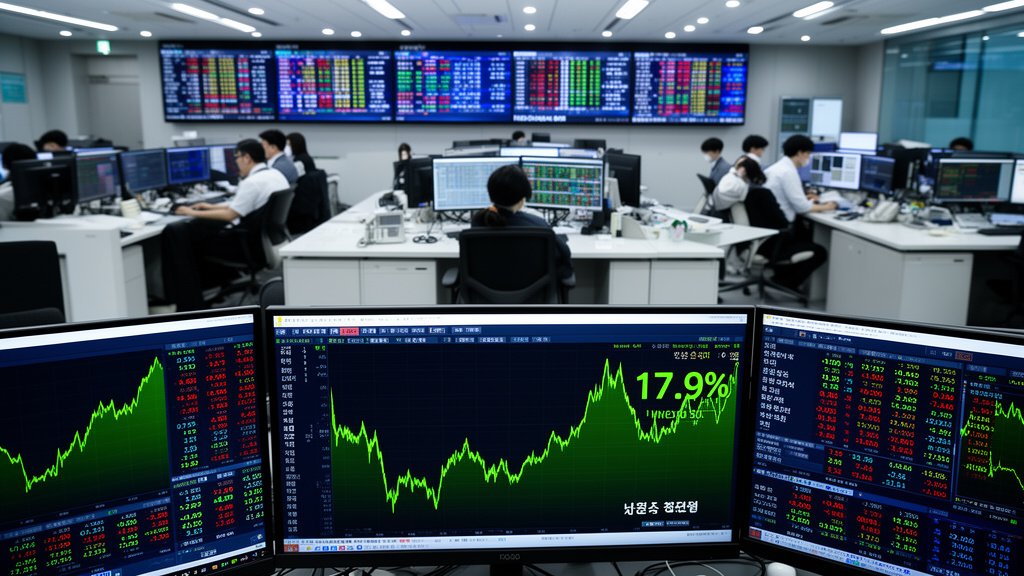
What is the potential impact of G7 decisions on global markets?
Decisions made at the G7 summit regarding economic policy, trade, and geopolitical stability can significantly influence global financial markets, energy prices, and investor confidence.