Vice President J.D. Vance has arrived in the Pakistani capital of Islamabad, marking the beginning of a high-stakes diplomatic effort to negotiate an end to the six-week-old military conflict between the United States and Iran. Addressing reporters before his departure, Vance delivered a sharp, non-negotiable message to the Iranian delegation: while the U.S. is prepared to extend an ‘open hand’ for peace, any attempt to manipulate the process will be met with a cold reception. The mission, sanctioned by President Donald Trump, includes key diplomatic figures Steve Witkoff and Jared Kushner, signaling an all-hands-on-deck approach to resolve a crisis that has sent global energy markets into turmoil and tested the limits of regional stability.
Key Highlights
- High-Stakes Diplomacy: Vice President Vance is leading a delegation in Islamabad to mediate a potential end to the conflict with Iran, representing the highest-level diplomatic engagement since the war began six weeks ago.
- Stern Warning: Vance has explicitly warned Tehran not to ‘play’ the U.S., emphasizing that while Washington is seeking a resolution, its patience is limited and the negotiating team is prepared for a rapid departure if terms are not met.
- The Delegation: The U.S. team includes Special Envoy Steve Witkoff and Jared Kushner, backed by experts from the National Security Council, the State Department, and the Pentagon.
- Economic Pressures: The urgency of the talks is compounded by rising U.S. inflation, with energy prices spiking and global shipping lanes through the Strait of Hormuz remaining largely paralyzed by the conflict.
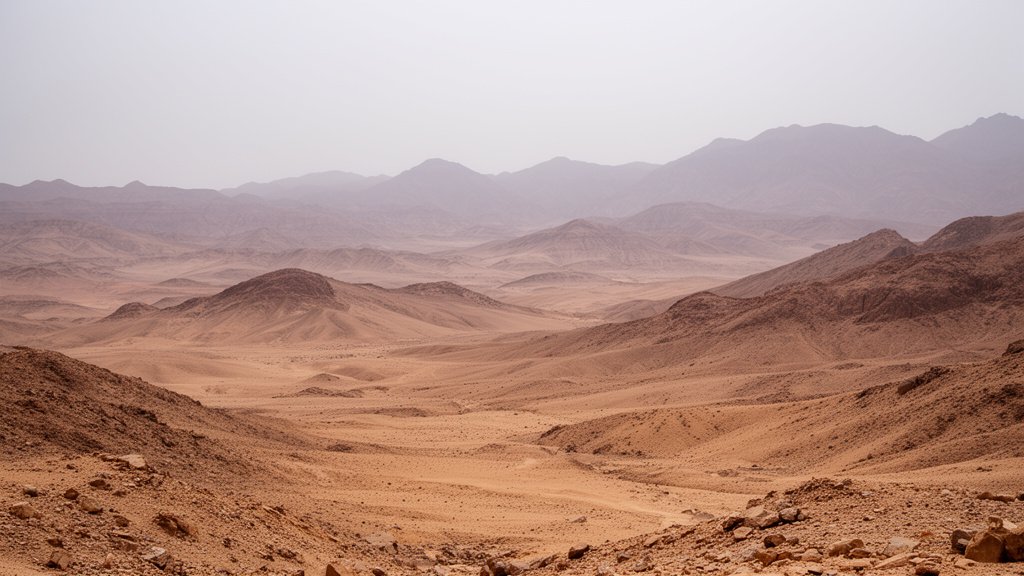
- Hostile Landscape: Pakistan serves as the mediator, a strategic choice given its complex diplomatic ties and non-involvement in the direct hostilities, though the city of Islamabad remains under a strict security lockdown.
The Geopolitical Chessboard: Navigating the Tehran-Washington Divide
The arrival of Vice President Vance in Islamabad represents more than just a diplomatic visit; it is a calculated effort to pivot from a grinding military engagement toward a sustainable ceasefire. The six-week war, which has seen limited but intense exchanges and a devastating impact on global supply chains, has left both nations at a critical inflection point. For the United States, the strategic objective remains clear: secure the cessation of hostilities without sacrificing long-term national security interests, specifically concerning Iran’s nuclear ambitions and missile program. However, achieving this through the current mediation requires balancing the ‘America First’ doctrine with the practical realities of Middle Eastern regional dynamics.
Why Pakistan? The Strategic Mediator
The choice of Islamabad as the venue for these negotiations is highly tactical. Pakistan maintains a unique position as a significant player in the region that possesses diplomatic channels to Tehran while concurrently holding deep strategic ties to the United States. By moving the theater of negotiation away from the immediate conflict zone—the Middle East—the White House seeks to reduce the immediate pressures of proximity. Pakistani officials have assured the U.S. and Iranian delegations of the highest levels of security, effectively turning the capital into a fortified neutral ground where the primary goal is not just a photo opportunity, but a tangible agreement.
The Delegation’s Composition and Strategy



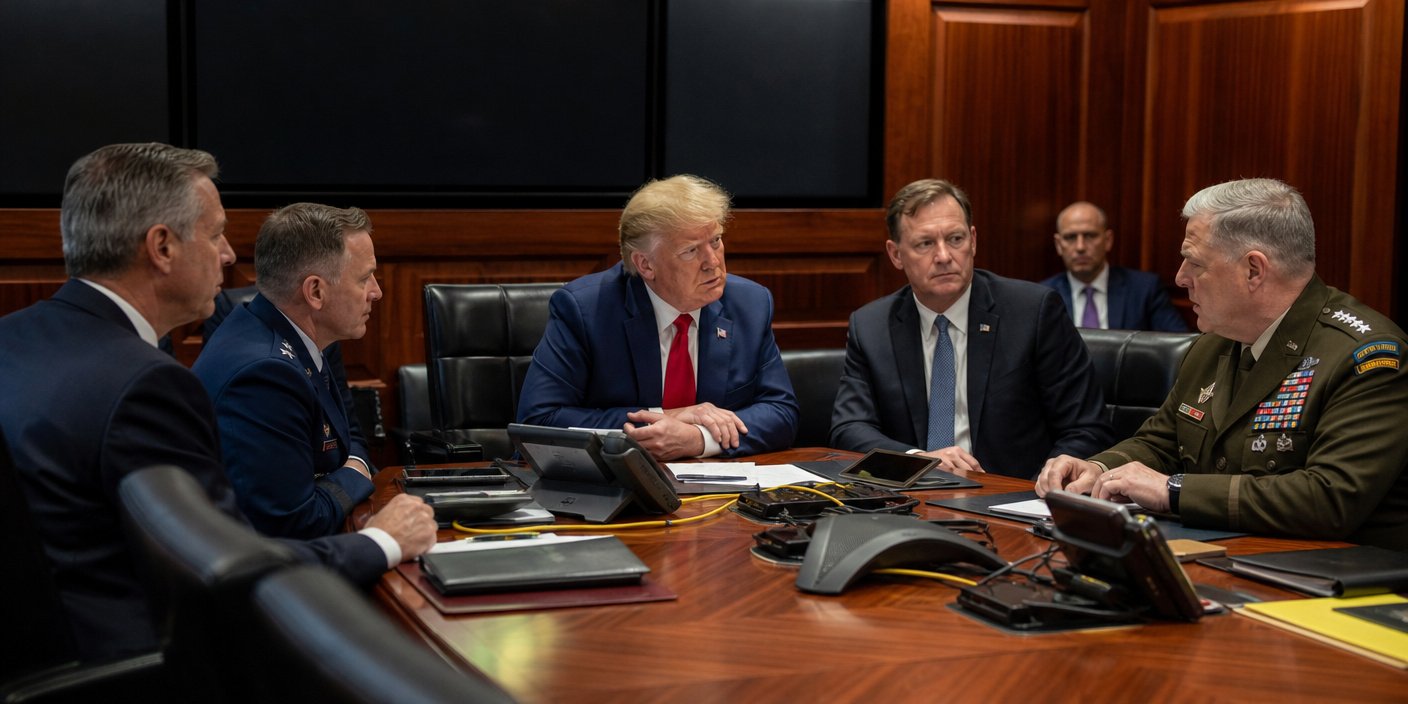
Vance is not traveling alone. The inclusion of Jared Kushner and Steve Witkoff suggests that this is an extension of the Trump administration’s preferred ‘transactional’ diplomatic style. Kushner, having been involved in previous rounds of indirect talks, provides continuity, while Witkoff serves as the administration’s eyes and ears on the ground. This team is supported by a robust contingent from the National Security Council and the Department of Defense, indicating that while the mission is diplomatic, it is deeply rooted in a threat-assessment framework. The administration is essentially bringing its ‘deal-making’ machinery to the table, hoping that direct, face-to-face communication can cut through the fog of state media rhetoric and military posturing.
The Economic Toll and Domestic Pressure
The political stakes for the White House are astronomical. With inflation figures climbing—driven by a spike in energy prices and the stagnation of cargo traffic through the Strait of Hormuz—the American public is feeling the strain of the conflict in their daily lives. Reports from the Bureau of Labor Statistics have indicated that the last six weeks have resulted in the largest monthly increase in gasoline prices since 1967. For the Vice President, who has previously focused his political capital on domestic issues, the success or failure of these talks will define his trajectory in the coming years. He is walking a razor-thin line: if he secures a deal, he cements his status as a key foreign policy architect; if he returns empty-handed, he risks owning the fallout of a prolonged, expensive, and unpopular war.
The ‘Don’t Play Us’ Dynamic
There is a notable psychological component to Vance’s rhetoric. By framing the Iranian counterparts as potential ‘players’ in a deceptive game, he is setting the ground rules for the negotiation. This is a direct counter to the perception that the administration is desperate for a deal. By emphasizing that the U.S. has ‘clear guidelines,’ he is signaling to both domestic critics and international adversaries that the U.S. is not negotiating from a position of weakness, but from one of controlled resolve. This mirrors the broader Trump-era approach to international relations: leverage, combined with the credible threat of total withdrawal or escalation.
Future Predictions and Regional Stability
Looking ahead, the success of the Islamabad talks hinges on several volatile factors. Iran’s demands for a ceasefire in Lebanon and the release of blocked assets are non-starters for some in Washington, yet they are central to Tehran’s negotiating position. If a middle ground is not found, the alternative—a wider regional conflict—could trigger the very outcomes the U.S. seeks to avoid, including prolonged economic recession and deeper military entanglement. Furthermore, the role of external actors like Israel, which is not participating in these specific talks but remains a primary stakeholder, adds a layer of complexity. Will these talks lead to a lasting peace, or are they merely a temporary pause in a much longer, inevitable struggle for regional hegemony? The coming days in Islamabad will likely determine the answer to that question, serving as a bellwether for the remaining term of this administration.
FAQ: People Also Ask
1. Why is the US negotiating with Iran in Pakistan?
Pakistan is used as a neutral intermediary because it maintains diplomatic relations with both the United States and Iran. Holding talks in Islamabad provides a secure, neutral environment away from the direct, volatile conflict zones in the Middle East, allowing negotiators to focus on the terms without immediate military interference.
2. What is the main objective of the Vice President’s trip?
The primary goal is to reach a sustainable ceasefire to end the current six-week conflict. The mission aims to address key U.S. concerns regarding Iran’s nuclear capabilities and missile programs, while simultaneously attempting to de-escalate the economic pressure caused by rising energy costs and interrupted shipping lanes.
3. Is Israel involved in the Islamabad negotiations?
No, Israel is not currently represented at these specific talks. Pakistan does not maintain formal diplomatic ties with Israel, which is a significant factor in why this location was chosen for direct U.S.-Iran engagement, keeping the negotiation focused strictly on the bilateral issues between Washington and Tehran.
4. What are the ‘clear guidelines’ mentioned by the Vice President?
The specific details of the guidelines have not been made public, but they are understood to be the non-negotiable red lines set by the White House, likely revolving around nuclear enrichment caps, the cessation of support for proxy groups, and the immediate reopening of critical maritime trade routes.