Vice President JD Vance concluded a high-stakes, 21-hour diplomatic mission in Islamabad early Sunday morning, announcing that the United States and Iran had failed to reach a ceasefire agreement. The collapse of the talks, which were touted as the most significant direct engagement between the two nations in decades, leaves the ongoing seven-week conflict unresolved and raises immediate concerns regarding the stability of global energy markets and the security of the Strait of Hormuz.
Key Highlights
- Negotiation Breakdown: Despite 21 hours of intensive, face-to-face discussions in Pakistan, Vice President JD Vance confirmed that no agreement was reached due to Iran’s refusal to provide an affirmative commitment against future nuclear weapon development.
- The ‘Red Line’: Washington’s primary ultimatum centered on verifiable assurances that Iran would abandon any pursuit of nuclear armament, a condition Iranian negotiators reportedly rejected.
- Regional Instability: The failure of the talks threatens to reignite hostilities, particularly around the Strait of Hormuz, a critical maritime chokepoint through which approximately 20% of global oil supplies transit.
- Diplomatic Uncertainty: While both sides expressed a willingness to continue technical dialogues, the immediate window for a cessation of hostilities has closed, keeping the region on a knife-edge of potential escalation.
The Anatomy of a Diplomatic Failure: Inside the Islamabad Talks
The failure of the Islamabad summit represents a significant blow to the administration’s efforts to leverage personal diplomacy in the Middle East. For 21 grueling hours, Vice President JD Vance, leading a delegation of senior U.S. officials, engaged with their Iranian counterparts—led by Parliament Speaker Mohammad Bagher Qalibaf—in a series of meetings mediated by Pakistani officials. The atmosphere, initially described as a potential breakthrough for a fragile ceasefire, quickly devolved as fundamental ideological and strategic gaps remained insurmountable.
The Nuclear Impasse
At the core of the breakdown was the issue of nuclear proliferation. The United States entered the room with what it termed ‘non-negotiable red lines.’ According to sources close to the delegation, the administration demanded an explicit, verifiable commitment that Tehran would not only halt current enrichment activities but also cease any long-term development of infrastructure that could facilitate a nuclear weapon. For the U.S., this was the prerequisite for any broader regional de-escalation.
Iran, however, maintained its long-standing position regarding its right to peaceful nuclear technology. Tehran’s representatives argued that the U.S. demands amounted to ‘excessive and unlawful requests,’ effectively asking Iran to surrender its sovereign rights under the guise of peace. As the clock ticked past the 20-hour mark, it became evident that the gap between Washington’s security requirements and Tehran’s perceived national interests was simply too wide to bridge. Vice President Vance later told reporters, ‘We need to see an affirmative commitment that they will not seek a nuclear weapon… and unfortunately, we weren’t able to make any headway.’
The Role of Pakistan as Mediator



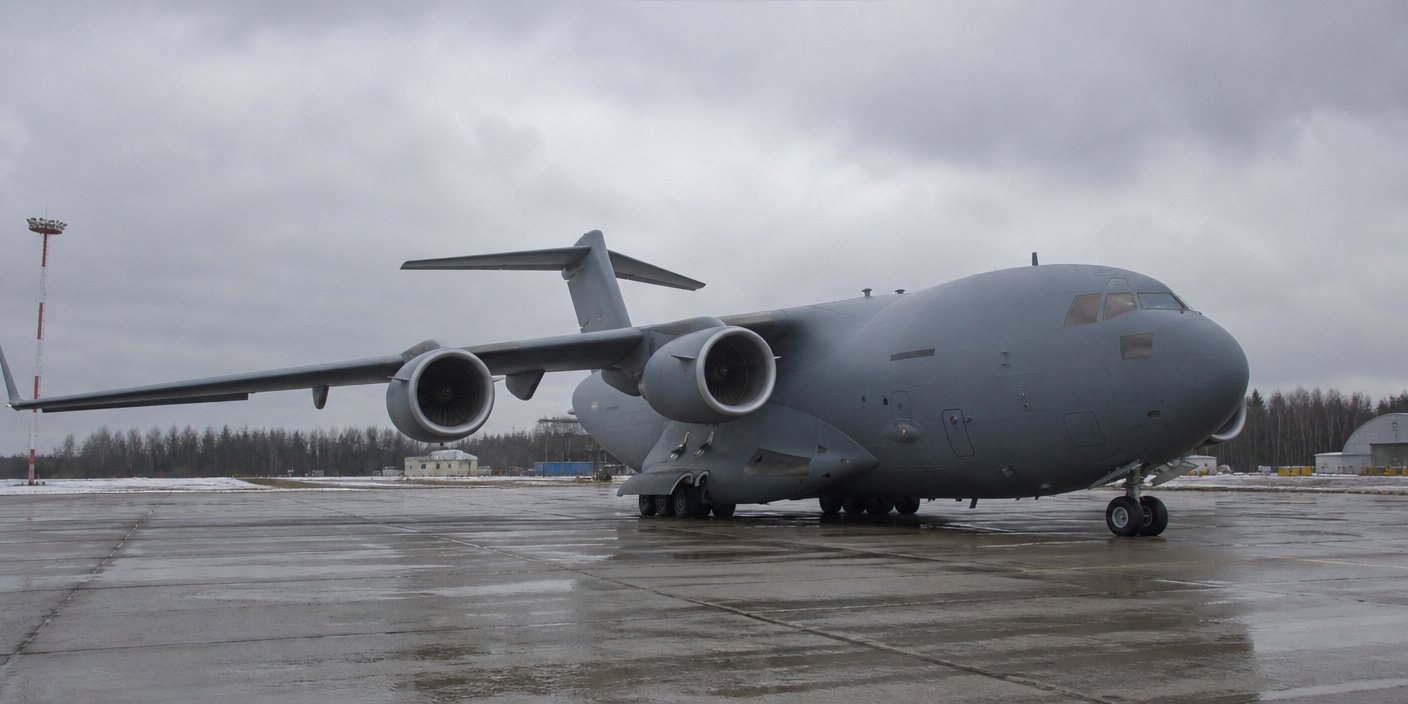
Pakistan’s selection as the host for these negotiations was not accidental. In recent years, Islamabad has sought to reposition itself as a neutral arbiter in international disputes. By providing a secure, neutral ground for the U.S. and Iran to meet, Pakistan hoped to facilitate a breakthrough that would calm regional oil prices and stabilize its own fragile economic situation. While the talks did not yield a signed treaty, the mere fact that the two nations sat at the same table for 21 hours is, in itself, an anomaly in post-1979 diplomatic history. However, the failure to secure a deal highlights the limitations of third-party mediation when the core issues—nuclear ambition and regional hegemony—remain untouched.
Economic Ripples and the Strait of Hormuz
Beyond the geopolitical grandstanding lies the immediate, tangible reality of the global economy. The Strait of Hormuz has been the focal point of military friction throughout this seven-week war. With the ceasefire talks now effectively paused or collapsed, the specter of continued blockades or mining of the waterway looms large. Traders and analysts are bracing for volatility, as any sign of renewed combat will likely trigger a surge in crude oil prices. The U.S. military’s continued presence in the region, coupled with its stated intent to ‘set conditions’ for clearing the strait, suggests that the administration is preparing for a scenario where diplomatic options are exhausted, and military-enforced maritime security becomes the only path forward.
The Future of the Conflict
As the U.S. delegation prepares to return to Washington, the immediate question is: What comes next? The administration has signaled that while the door for a deal remains open—based on its last proposal—it will not accept a compromised framework. Iran, conversely, has indicated it will continue to communicate via technical channels. This ‘soft pause’ in diplomacy effectively leaves the status quo in place: a war that has already cost thousands of lives and continues to destabilize the broader Middle East.
Analysts suggest that the administration is now in a bind. Having publicly pursued a diplomatic solution, a return to direct military escalation carries both political and strategic risks. Yet, by setting such high expectations for this meeting, the administration has also limited its own maneuverability. The next few days will be critical; any sign of troop movements, renewed strikes in Lebanon, or further escalation in the Persian Gulf will confirm that the Islamabad summit was not just a failure, but a catalyst for the next, perhaps more dangerous, phase of the conflict.
FAQ: People Also Ask
Q: Did the U.S. and Iran reach any minor agreements during the talks?
A: While the primary ceasefire goal was not met, both sides reported ‘substantive discussions.’ Technical personnel from both delegations continue to exchange documents and may continue lower-level talks, but the high-level ceasefire agreement failed.
Q: Why was the Strait of Hormuz mentioned so frequently in the talks?
A: The Strait is a critical chokepoint for about 20% of the world’s oil supply. Iran’s ability to restrict or block this waterway has been a major leverage point during the conflict, and the U.S. considers its reopening non-negotiable for regional stability.
Q: What is the significance of the 21-hour duration?
A: The length of the negotiations underscores the gravity and intensity of the attempt. It was the highest-level direct face-to-face engagement between U.S. and Iranian leaders in decades, and the exhaustion of both sides after 21 hours reflects the deep, entrenched nature of their disagreements.
Q: Is there any possibility of resuming negotiations?
A: Yes. Vice President Vance indicated that the U.S. is still open to a deal based on its final proposal. However, the timeline for any such resumption remains unclear, and the administration has signaled that it will not compromise on its core ‘red lines’ regarding Iran’s nuclear program.