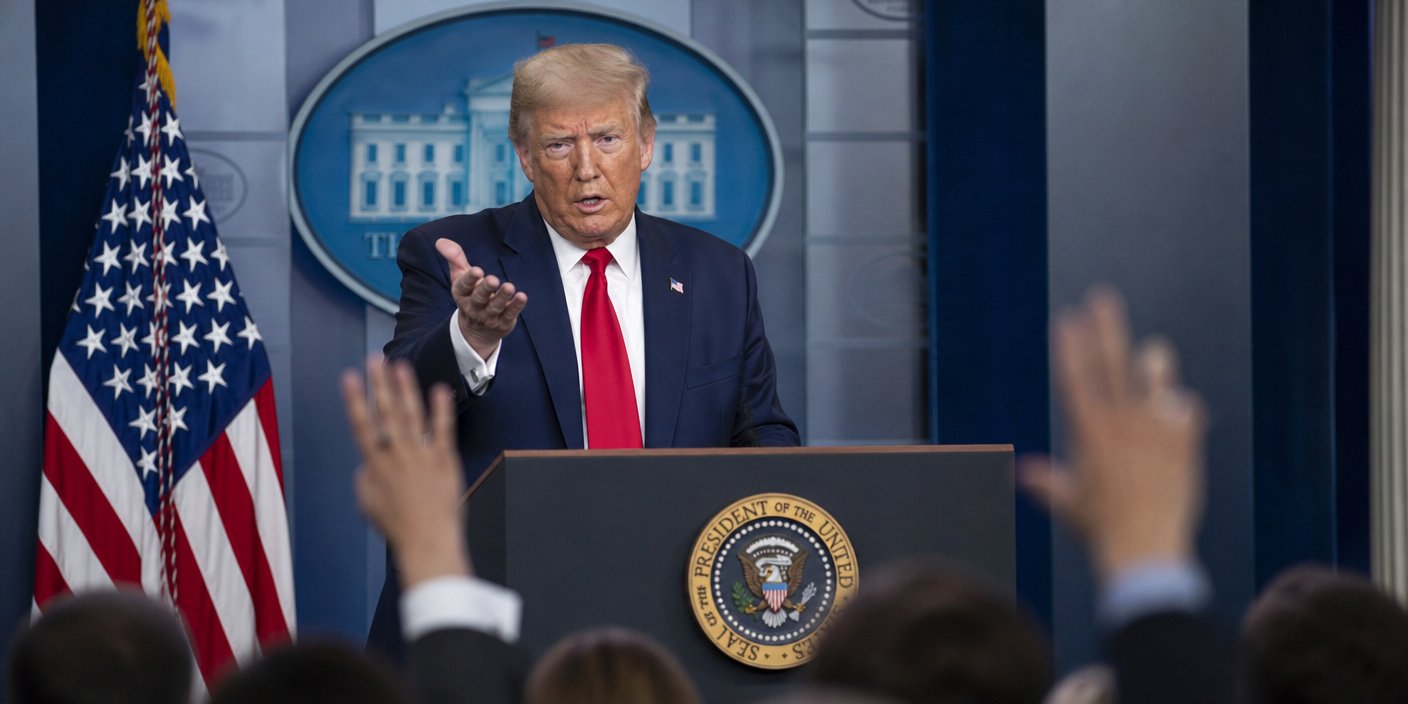
In an abrupt and significant de-escalation of the escalating conflict in the Middle East, the United States and Iran have officially agreed to a two-week ceasefire, effective immediately. This development, confirmed by President Donald Trump on April 8, 2026, follows a period of extreme brinkmanship that saw global markets rattled and the threat of total regional war looming. The truce is conditioned upon Iran’s commitment to a ‘complete, immediate, and safe’ reopening of the Strait of Hormuz—a vital maritime corridor responsible for a substantial portion of the world’s oil transit—and sets the stage for high-stakes diplomatic negotiations in Islamabad scheduled for later this week.
The Pivot from Brinkmanship



Just hours before the ceasefire announcement, the geopolitical climate was characterized by dire ultimatums. President Trump had issued a stark warning to Tehran, stating that a ‘whole civilization will die’ if a deal was not reached by an 8 p.m. ET deadline. This rhetoric, which sent shockwaves through international diplomatic circles and financial markets alike, appears to have been the final pressure point in a series of intense back-channel negotiations. The subsequent agreement marks a dramatic pivot from what many feared would be a catastrophic expansion of military strikes into Iranian infrastructure. Despite the relief expressed by global leaders, the current arrangement is strictly temporary. The two-week window is intended as a ‘cooling off’ period, allowing both nations to transition from active hostilities to structured negotiations aimed at addressing the 10-point peace proposal submitted by Iran.
Terms of the Truce and the 10-Point Proposal
The ceasefire is not an unconditional end to the conflict but rather a tactical pause built on specific, measurable benchmarks. Central to the agreement is the Strait of Hormuz; Iran has agreed to allow safe passage through the waterway under the coordination of its armed forces for the duration of the truce. This reopening is critical for global energy security, as the recent closure had caused significant volatility in oil markets, with crude prices surging in response to the blockade.
Washington’s acceptance of the deal—framed by the administration as a result of successful military pressure—is contingent upon these logistical commitments. Furthermore, Iran has presented a 10-point proposal as the foundation for the upcoming Islamabad talks. While the specifics of this proposal remain partially classified, reports indicate it covers core issues of contention, including the long-standing nuclear dispute and regional security protocols. However, the path to a final agreement remains fraught with complexity, as previous attempts at negotiation have famously collapsed under the weight of mistrust and conflicting strategic goals.
Regional Ramifications and Global Reaction
The immediate impact of the ceasefire has been felt across global financial and political landscapes. Asian and Western stock markets have shown signs of stabilizing, and oil futures, which had spiked during the height of the crisis, have seen a corrective decline. Governments worldwide, including Australia and Japan, have publicly welcomed the de-escalation, praising Pakistan for its pivotal role as a mediator.
However, the scope of the ceasefire is not universally applicable. Israeli Prime Minister Benjamin Netanyahu’s office has clarified that while Israel supports the U.S.-led ceasefire with Iran, the agreement does not extend to the ongoing military operations in Lebanon. This nuance highlights the fragility of the truce; the Middle East remains a mosaic of interconnected conflicts, and a pause in direct US-Iran hostilities does not necessarily imply a cessation of proxy conflicts or the regional operations of allied militias.
The Islamabad Talks: A Path to Stability or Stalling?
The world’s attention now shifts to Islamabad, where delegations are expected to arrive on April 10, 2026. Pakistan’s Prime Minister, Shehbaz Sharif, has framed the upcoming summit as a ‘conclusive’ opportunity to settle all disputes. Yet, the skepticism on the ground is palpable. Iranian state media has cautioned that the ceasefire does not signify an end to the war, emphasizing that their military remains on high alert. This dual-track approach—engaging in diplomatic talks while maintaining a ‘finger on the trigger’—suggests that the upcoming negotiations will be characterized by extreme caution and limited concessions. The success of the Islamabad talks will depend heavily on whether the 10-point proposal offers genuine compromises or if it serves merely as a temporary measure to solidify battlefield gains.