Skip to content
Trending
July 3, 2025Bryan Kohberger Pleads Guilty in Idaho Student Killings, Receives Four Consecutive Life Sentences May 31, 2025AI Startup Collapse: Builder.ai Faces Insolvency Amidst Claims of ‘700 Indian Engineers’ Masquerading as AI June 1, 2025Culture Clash Ignites at Kennedy Center: Trump Appointments, Drag Shows, and High-Profile Resignations January 23, 2026US Officially Exits WHO Amid Unpaid Dues and Global Health Concerns December 1, 2025National Guard Shooting Spurs Trump Administration’s Asylum Freeze September 26, 2025Trump Draws Line: US President Declares ‘I Will Not Allow’ Israel to Annex West Bank, Amidst Trending Geopolitical Shifts August 20, 2025Trump Administration Revokes Security Clearances of Dozens of Officials Amid Claims of Politicized Intelligence June 10, 2026House OKs $70B Border Bill, Heads to Trump March 28, 2025US Justice Department Secures Major Global Extradition Sweep of Over a Dozen Fugitives from 10 Nations November 27, 2025CMS Proposes Major Overhaul of Medicare Advantage Star Ratings, Focusing on Health Outcomes
  • Home
  • Top Stories
  • National News
  • Health
  • Business
  • Tech & Innovation
  • Entertainment
  • Politics
  • Culture & Society
  • Crime & Justice
  • Editorial
  • Home
  • Top Stories
  • National News
  • Health
  • Business
  • Tech & Innovation
  • Entertainment
  • Politics
  • Culture & Society
  • Crime & Justice
  • Editorial
  • Blog
  • Forums
  • Shop
  • Contact
  Tech & Innovation  State Attorneys General Urge Congress to Ban China’s DeepSeek AI on Government Devices Amid Espionage Fears
Tech & Innovation

State Attorneys General Urge Congress to Ban China’s DeepSeek AI on Government Devices Amid Espionage Fears

Meredith LaneMeredith Lane—March 6, 20251
FacebookX TwitterPinterestLinkedInTumblrRedditVKWhatsAppEmail

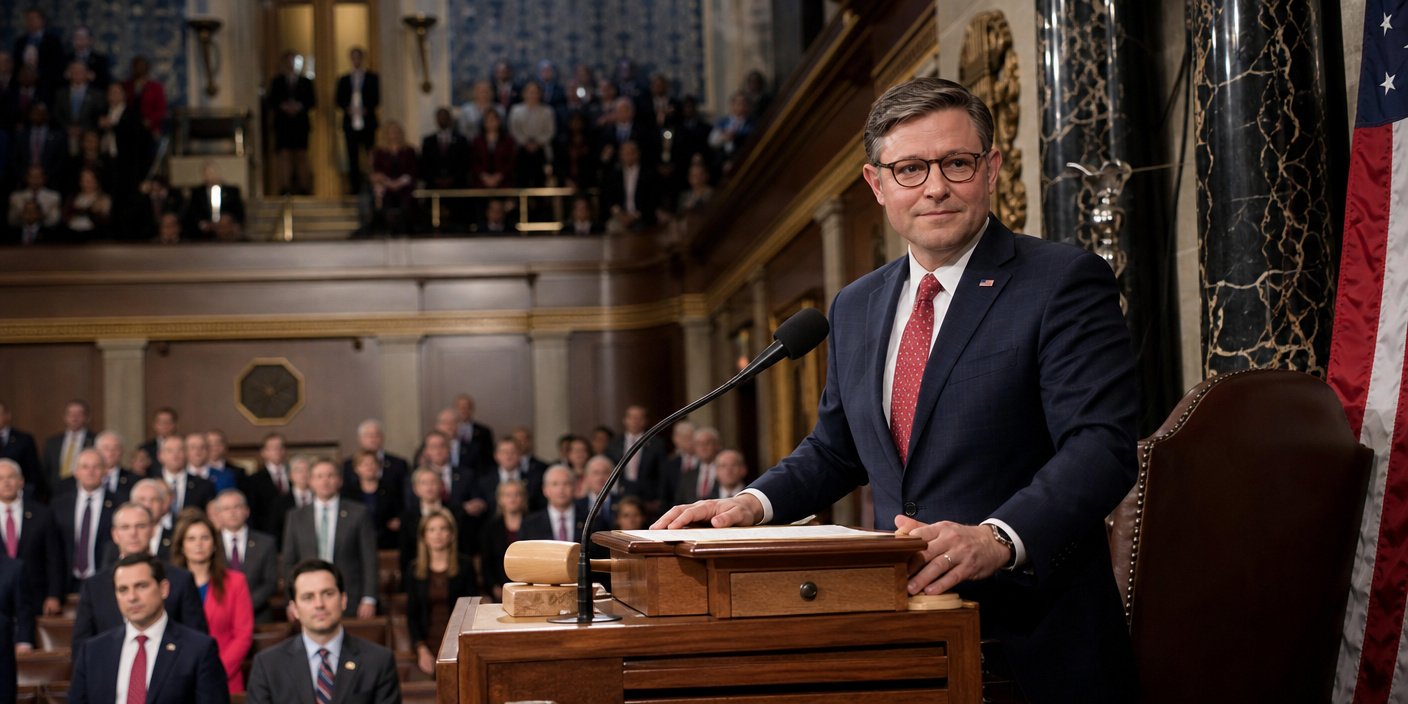
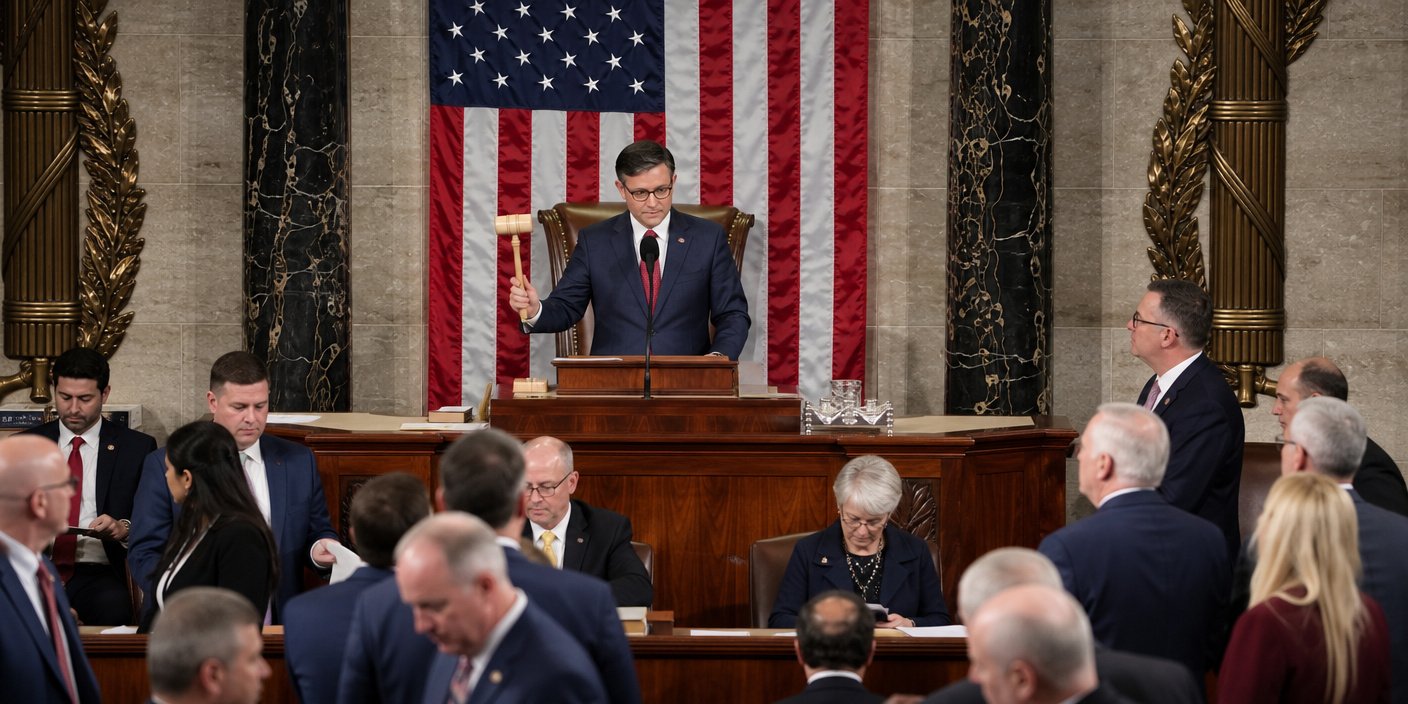
Washington, D.C. – Attorneys General from 21 U.S. states have issued a direct plea to congressional leadership, urging immediate legislative action to prohibit the use of artificial intelligence software developed by the Chinese Communist Party (CCP) on government-issued devices. In a letter dated March 6, 2025, addressed to The Honorable Mike Johnson, Speaker of the House of the U.S. House, located at 568 Cannon House Office Building, Washington, D.C. 20515, the state legal officers highlighted significant national security risks associated with the DeepSeek AI software.

The Attorneys General are specifically calling for Congress to pass the “No DeepSeek on Government Devices Act.” This proposed bill aims to implement a strict prohibition on the download and use of DeepSeek AI Software on any device utilized by the U.S. government, citing concerns that the software could serve as a tool for espionage and data collection by the Chinese government.

DeepSeek AI: A Potential Espionage Tool?

The core of the Attorneys General’s concern lies in DeepSeek AI’s alleged capabilities to collect sensitive user data. Their letter details that the software is reportedly able to capture a wide range of information, including chat and search query history, keystroke patterns, IP addresses, and even activity from other apps running on a device. Alarmingly, the Attorneys General reference reports suggesting the software contains code designed to send this sensitive user data directly to the Chinese government.

This data collection potential, according to the state officials, poses a severe threat to national security if the software is used on government devices. They argue that the CCP could exploit this access to gather intelligence, compromise sensitive operations, and gain an undue advantage in cybersecurity and geopolitical arenas.

Drawing Parallels to Previous Bans

More stories

Dell Bets Big on India’s AI PC Future, Citing Tech Savvy and Strategic Growth

August 4, 2025

Meta and YouTube Liable: Big Tech’s ‘Big Tobacco’ Reckoning

March 31, 2026

Trump Approves Nvidia H200 Chip Sales to China, Reversing Biden Restrictions Amid Security Debate

December 9, 2025

NTT Unveils Groundbreaking AI Collaboration Technology for Complex Project Execution

August 8, 2025

The letter from the coalition of 21 Attorneys General draws a clear parallel to previous actions taken by the U.S. government regarding foreign technology deemed a security risk. They specifically referenced the prior ban on the social media application TikTok on government devices, which was enacted over similar concerns about data privacy and potential access by the Chinese government.

The Attorneys General argue that the threat posed by advanced AI software like DeepSeek is potentially even more significant than that of social media applications, given AI’s deep integration into various digital processes and its capacity for sophisticated data analysis and transmission.

The Call to Action and Signatories

The letter serves as a strong call to action for Speaker Mike Johnson and the broader U.S. Congress. The Attorneys General emphasized the urgency of the situation, stressing that legislative action is needed swiftly to mitigate the perceived threat before DeepSeek AI gains wider traction on government systems.

Among the signatories of the letter is Attorney General Steve Marshall of Alabama. The coalition comprises Attorneys General from 21 U.S. states in total, underscoring a broad, bipartisan concern at the state level regarding the security implications of Chinese AI technology on federal infrastructure.

Context: Broader Concerns Over Chinese Cyber Activity

The Attorneys General’s concerns are placed within the broader context of reported Chinese cyberespionage campaigns. Their letter references these ongoing activities as evidence of the persistent threat posed by the Chinese government in the digital realm.

Furthermore, the letter cites past incidents like the Chinese spy balloon detected over U.S. airspace as examples of China’s efforts to conduct intelligence gathering, reinforcing the necessity of proactive measures to protect sensitive government data from potential exploitation through software like DeepSeek AI.

Conclusion: Protecting National Security in the Digital Age

The letter sent on March 6, 2025, to Speaker Mike Johnson represents a significant effort by U.S. state legal leaders to influence federal policy on technology and national security. By urging the passage of the “No DeepSeek on Government Devices Act,” the Attorneys General from 21 U.S. states are advocating for a preemptive strike against what they view as a clear and present danger posed by CCP-linked artificial intelligence software.

The outcome of this plea to Congress will be closely watched, as it highlights the growing tension between technological advancement, global competition in AI development, and the imperative to safeguard sensitive government information against foreign adversaries in an increasingly digital world.


author avatar
Meredith Lane
See Full Bio
FacebookX TwitterPinterestLinkedInTumblrRedditVKWhatsAppEmail

Meredith Lane

NZME Media Empire Faces Boardroom Battle: Canadian Billionaire James Grenon Leads Shareholder Challenge
US Amends Tariffs on Canada, Mexico, Granting USMCA Exemption to Shield Auto Industry
Related posts
  • Related posts
  • More from author
Tech & Innovation

SoftBank Taps OpenAI for Cybersecurity Leap

June 16, 20260
Tech & Innovation

Nvidia RTX Spark Ignites PC AI Revolution

June 2, 20260
Tech & Innovation

AI Surges: Nvidia’s Leap and Quantum’s Dawn

May 26, 20260
Load more
Read also
Politics

US-Iran Deal Looms: Financials Hint at Breakthrough

June 17, 20260
Editorial

US Strike Kills Suspect on Drug Boat, 2 Survivors Found

June 17, 20260
National News

GOP Senators Demand Iran Deal Input

June 17, 20260
Top Stories

US & Iran Near Historic Peace Deal, Strait of Hormuz Set to Reopen

June 16, 20260
Tech & Innovation

SoftBank Taps OpenAI for Cybersecurity Leap

June 16, 20260
Politics

Trump’s G7 Arrival: Iran Deal & Ukraine Focus

June 16, 20260
Load more

Recent Posts

  • US-Iran Deal Looms: Financials Hint at Breakthrough
  • US Strike Kills Suspect on Drug Boat, 2 Survivors Found
  • GOP Senators Demand Iran Deal Input
  • US & Iran Near Historic Peace Deal, Strait of Hormuz Set to Reopen
  • SoftBank Taps OpenAI for Cybersecurity Leap

Recent Comments

No comments to show.
Social networks
FacebookLikes
X TwitterFollowers
PinterestFollowers
InstagramFollowers
YoutubeSubscribers
VimeoSubscribers
Popular categories
  • Top Stories568
  • National News314
  • Editorial283
  • Politics268
  • Business267
  • Crime & Justice246
  • Entertainment244
  • Health210
  • Tech & Innovation201
  • Culture & Society197
  • Uncategorized2

US-Iran Deal Looms: Financials Hint at Breakthrough

June 17, 2026

US Strike Kills Suspect on Drug Boat, 2 Survivors Found

June 17, 2026

GOP Senators Demand Iran Deal Input

June 17, 2026

US & Iran Near Historic Peace Deal, Strait of Hormuz Set to Reopen

June 16, 2026

SoftBank Taps OpenAI for Cybersecurity Leap

June 16, 2026

Awards Season Culminates: Previewing the 97th Academy Awards and Weekend Entertainment Options

4534 Comments

S&P 500 Nears Record as Nasdaq Hits Three-Week High; Major Indexes Post Strong Weekly Gains on February 14, 2025

779 Comments

Google Introduces Premium AI Ultra Subscription Globally: Advanced Capabilities and Pricing Details Emerge

771 Comments

Trump Rallies GOP on Capitol Hill Amidst Doubt for Sweeping Domestic Policy Bill

582 Comments

Future of Telecom: How AI and 5G Convergence is Driving Innovation

542 Comments
    © Copyright 2025, All Rights Reserved
    • About
    • Privacy
    • Contact