

The Strait of Hormuz, a narrow 21-mile waterway connecting the Persian Gulf to the Arabian Sea, is one of the world’s most critical chokepoints for global energy supplies. Approximately 20 percent of global oil and seaborne liquefied natural gas (LNG) trade normally passes through this vital passage, making any disruption a significant concern for international energy markets. The current conflict has led to a substantial slowdown in maritime traffic, raising alarms over a potential global energy crisis. Iran’s declaration of selective closure underscores its strategic control over this crucial maritime artery.
Iran’s Stance on Navigation
Iranian Foreign Minister Abbas Araghchi has been the primary voice on Iran’s policy regarding the Strait of Hormuz. He has consistently stated that the waterway is not entirely closed but is exclusively off-limits to “enemies and those supporting their aggression.” This policy allows passage for vessels from countries deemed friendly or neutral in the conflict, including nations like China, Russia, India, Iraq, and Pakistan. Araghchi has emphasized that Iran’s armed forces have provided safe passage for these friendly nations, indicating a calibrated approach to maritime traffic. The minister also pointed out that vessel passage is sometimes hindered by insurance limitations under wartime conditions, rather than an outright ban for all.
The Broader Geopolitical Context
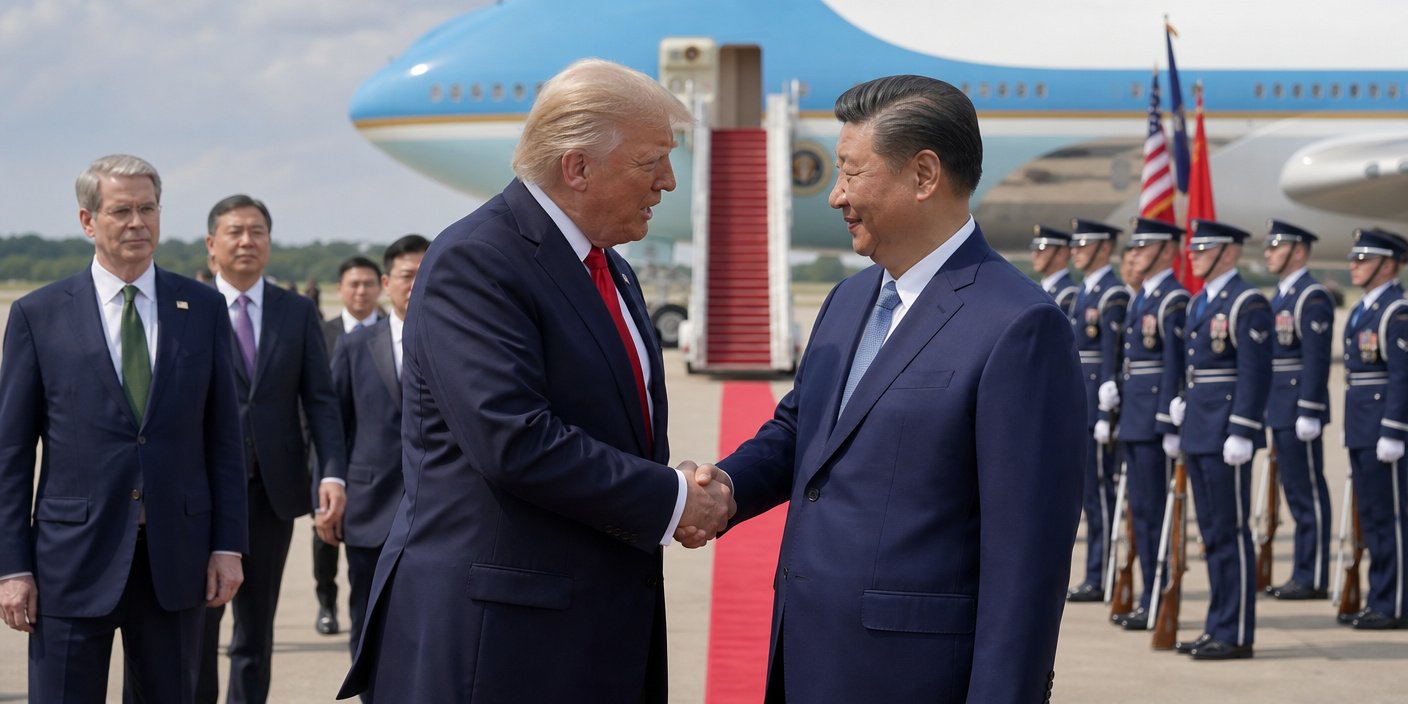
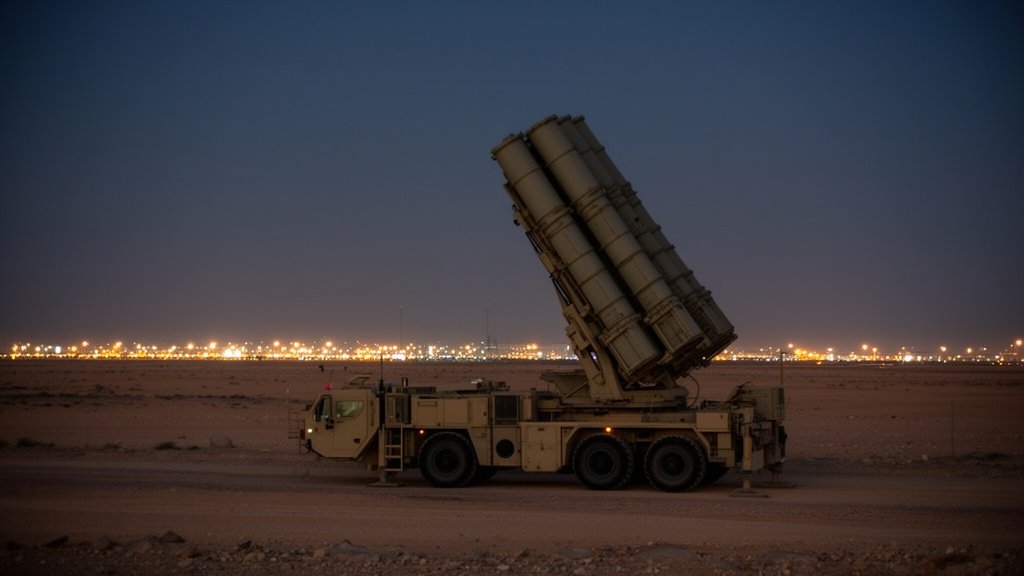
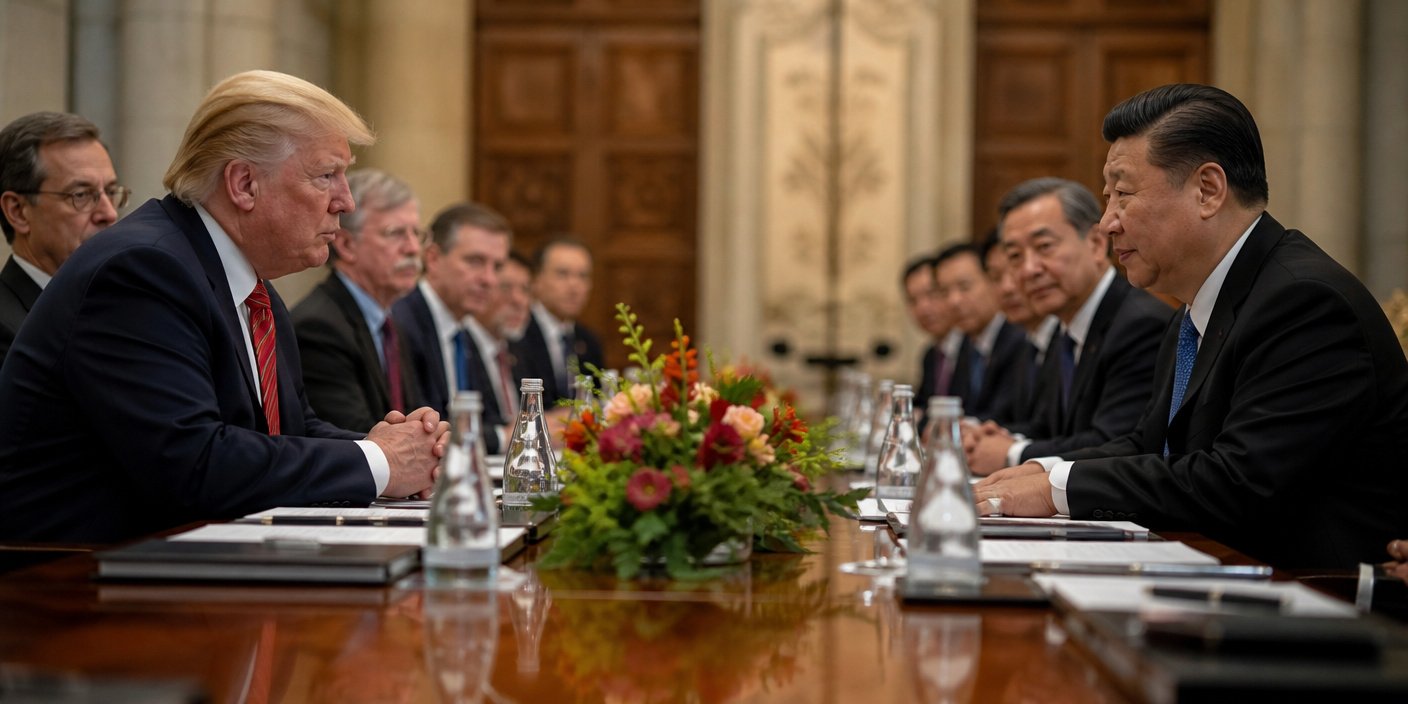
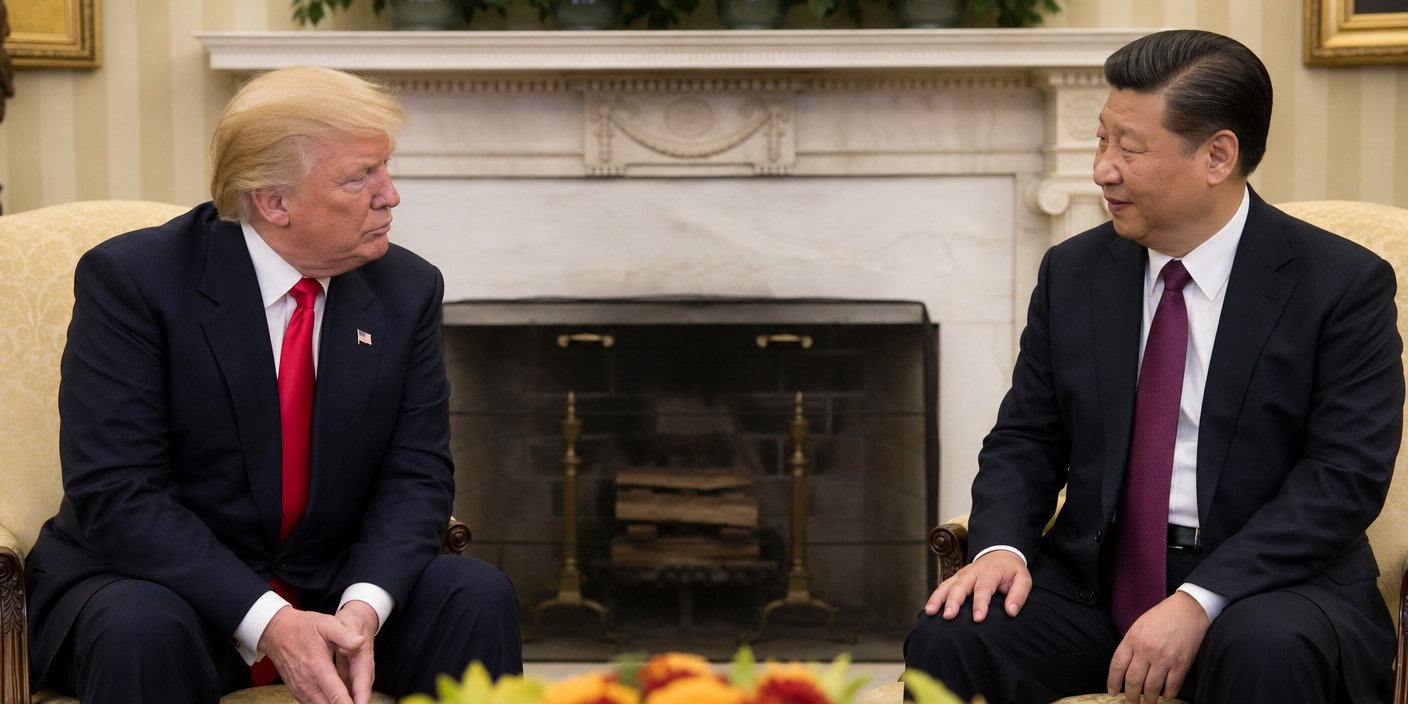
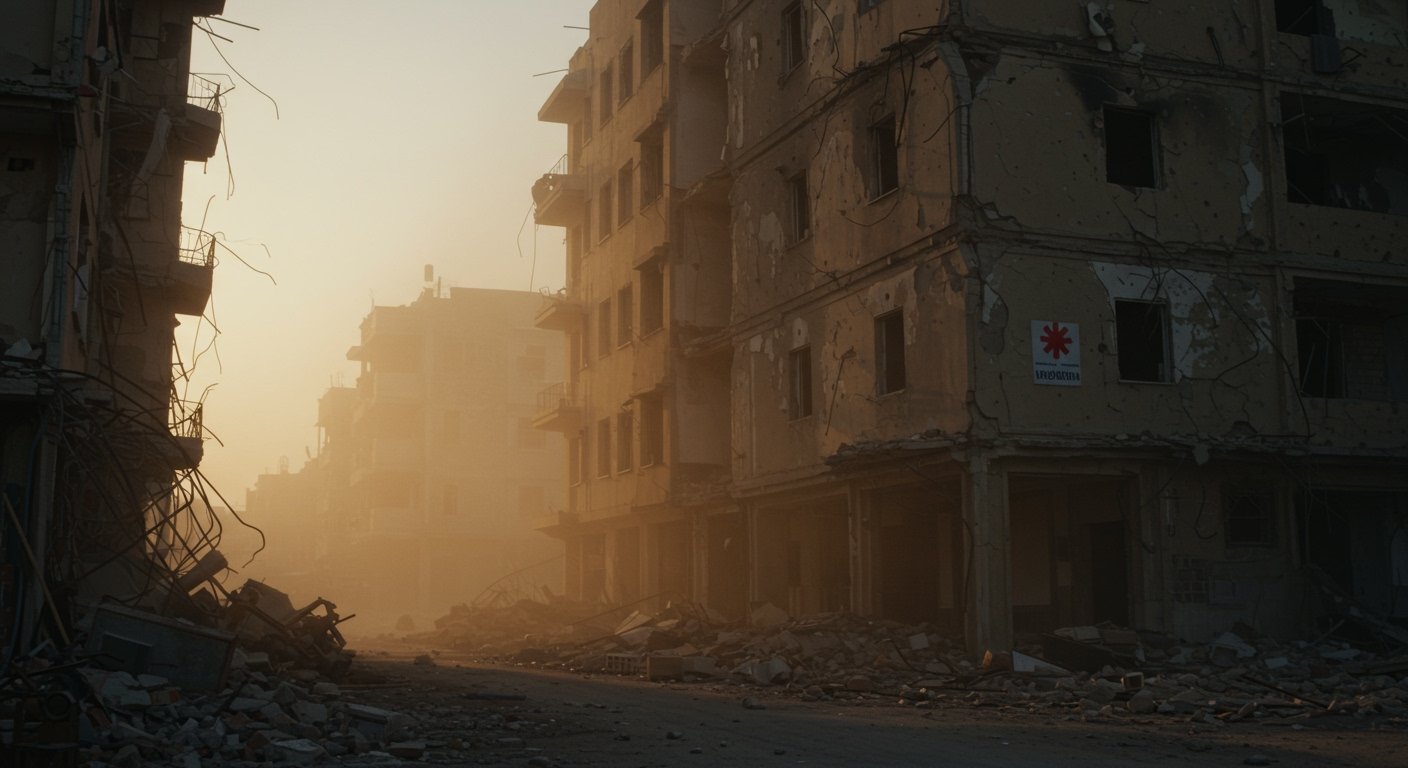
The statements regarding the Strait of Hormuz emerge amidst an escalating conflict involving Iran, the United States, and Israel. This conflict has seen extensive military exchanges, with Iran targeting Israeli and US bases, and vice-versa. The geopolitical tensions are further amplified by US President Donald Trump’s threats to target Iranian infrastructure if the strait is not fully opened. Iran, however, has rejected US ceasefire proposals, with Foreign Minister Araghchi stating that Tehran’s policy is one of “continuation of resistance” and that talk of negotiations is an “admission of defeat.” Iran’s position is that any end to the war must be definitive and prevent future aggression, asserting its sovereignty over the Strait of Hormuz.
Impact on Global Energy Markets
The disruptions in the Strait of Hormuz have sent shockwaves through global energy markets. Brent crude prices have surged, with West Texas Intermediate also experiencing fluctuations, underscoring the sensitivity of oil markets to the situation in the Persian Gulf. Asia, which is heavily dependent on Gulf crude, has been particularly affected. The prolonged closure or restricted passage through the strait chokes the movement of oil, gas, and fertilizer, impacting global supply chains and contributing to price volatility. The UN has expressed concerns over the serious harm to civilians and profound insecurity caused by the conflict and its impact on global trade.
Iran’s Diplomatic Posture and Future Outlook
Iran’s diplomatic stance, as articulated by Foreign Minister Araghchi, is focused on resistance and a definitive end to the conflict rather than a temporary ceasefire. The country has conveyed its positions through various channels, warning that any military presence in the Strait of Hormuz would increase tensions. While Iran has allowed passage for certain nations, it has also warned that it will not permit ships of its “enemies and their allies” to pass. The situation remains fluid, with ongoing military exchanges and diplomatic maneuvering dictating the future of maritime security and energy flows through this critical chokepoint.