Top World News Unfolds as Key Muslim Nations Join Trump’s Peace Initiative via the Global Peace Board
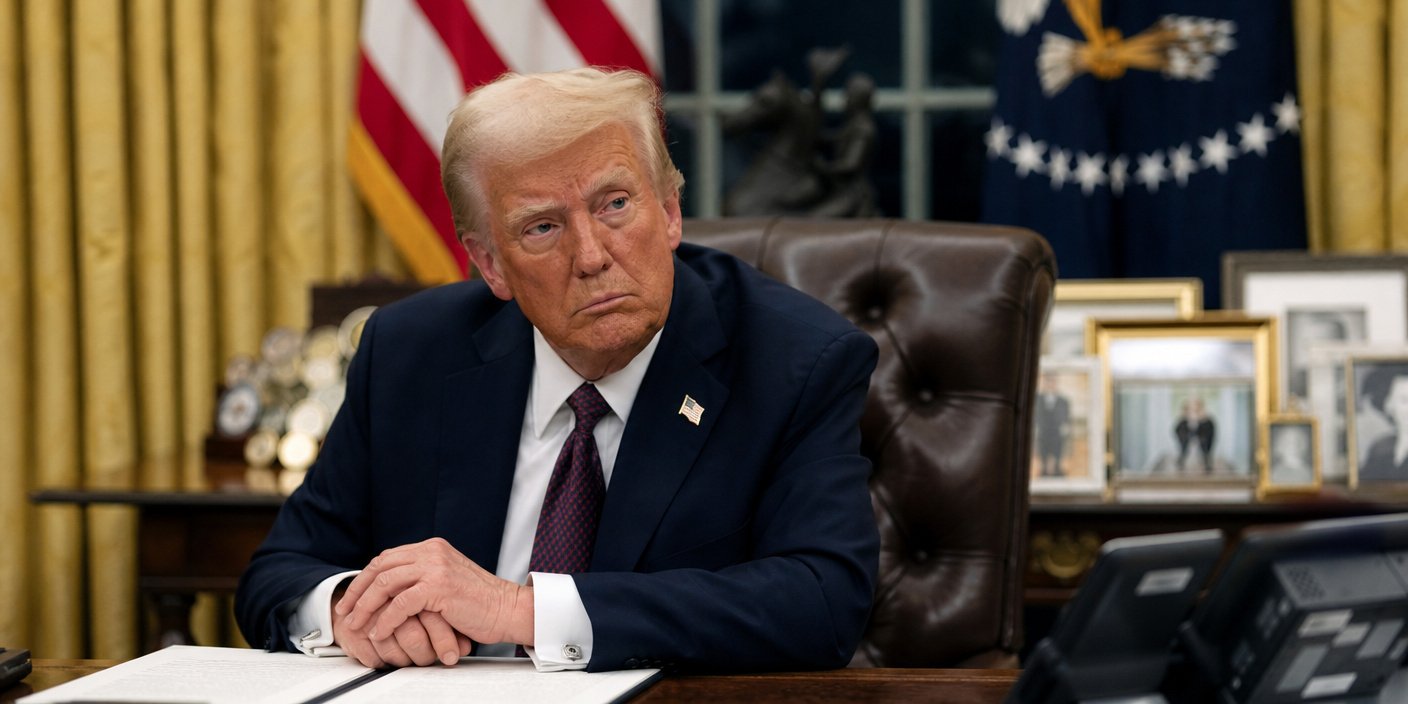
Saudi Arabia has made a significant move, agreeing to join President Donald Trump’s envisioned Global Peace Board. Eight Muslim-majority countries followed suit, including Qatar and Turkey, nations recognized for their pivotal roles in mediation. This development, announced by the Saudi foreign ministry, represents major world news and signals a new era in global diplomacy. The Global Peace Board aims to resolve conflicts, initially focusing on Gaza but with an expanding scope. This initiative has drawn varied global reactions, with many countries watching closely as the Global Peace Board begins its work.
Unveiling the Global Peace Board
The Global Peace Board is a new body conceived by President Trump. It initially appeared as part of a Gaza plan focused on long-term peace and redevelopment. The board was designed to set a framework for funding Gaza until the Palestinian Authority reformed, with the White House describing it as a transitional entity that would utilize international best standards for modern, efficient governance and investment attraction. The Global Peace Board‘s role is now broader, providing strategic oversight, mobilizing international resources, and emphasizing accountability to ensure Gaza’s transition to peace and development. The United Nations Security Council endorsed aspects of this plan via Resolution 2803, granting the Global Peace Board a UN mandate to oversee Gaza’s postwar management until 2027. However, the US has larger aims, and the panel may tackle global conflicts, representing a significant expansion of the Global Peace Board‘s mission.
Key Nations Sign On to the Global Peace Board

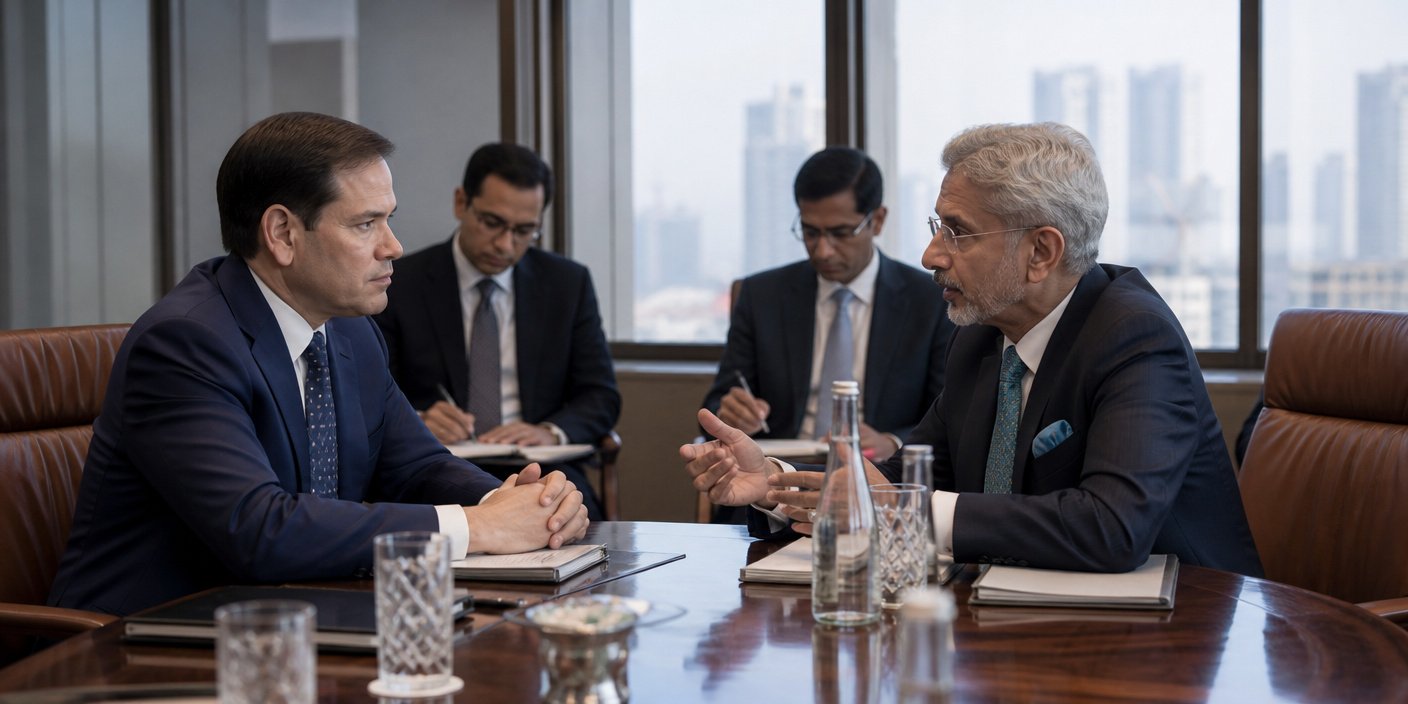
Eight Muslim-majority countries have confirmed their participation in the Global Peace Board. Saudi Arabia is a prominent member, alongside Qatar and Turkey, both key mediators. Egypt announced its acceptance, as did Jordan, Indonesia, Pakistan, the United Arab Emirates (UAE), and Kuwait. Foreign ministers announced this shared decision through a joint statement, demonstrating strong regional support for President Trump’s peace efforts and commitment to the Global Peace Board‘s mandate as a transitional administration. This participation from key players is a critical new development for the Global Peace Board.
Supporting Peace Efforts through the Global Peace Board
These countries officially welcomed the invitation to the Global Peace Board, with their foreign ministers making joint statements reaffirming their commitment to peace efforts and President Trump’s initiatives. This decision reflects shared goals, including advancing lasting peace, supporting Palestinian self-determination and statehood in line with international law, and ensuring regional stability and security for all peoples. This comprehensive approach, actively lobbied for by Trump, with particular attention paid to Saudi Arabia’s engagement, marks a significant step for the Global Peace Board and global stability.
International Divisions Emerge Around the Global Peace Board
Not all nations welcomed the initiative. Some European countries declined invitations, with France stating it would not join, despite supporting the peace plan itself, due to concerns about the Global Peace Board‘s structure. Norway and Sweden also refused, citing unanswered questions and a need for more dialogue with the US. Denmark and Slovenia also opted out, expressing similar concerns about the broad mandate of the Global Peace Board and fears it could rival the UN. The scope of the Global Peace Board appears to move beyond Gaza, unsettling some Western allies and highlighting clear divisions in global responses and geopolitical shifts.
Israel’s Position on the Global Peace Board
Israel’s Prime Minister Benjamin Netanyahu accepted the invitation to the Global Peace Board, a decision confirmed by his office that marked a shift in stance. Earlier, Israel had criticized a Gaza committee working with the board, particularly objecting to the inclusion of figures like Hakan Fidan of Turkey and Ali Al-Thawadi from Qatar on a Gaza Executive Board operating under the main body. These objections signal underlying tensions, given Israel’s rivalry with Turkey and Qatar’s hosting of Hamas officials. Israel’s participation in the Global Peace Board is notable, showing engagement with the peace process while also revealing ongoing complexities.
The Global Peace Board’s Mandate and Structure
The Global Peace Board has a specific structure, with President Trump chairing the body for life. Membership terms are typically three years, and a $1 billion contribution secures a permanent seat. Some countries may face hurdles with parliamentary approval, a difficulty Trump acknowledged, yet many nations expressed interest, with some joining without explicit invitations. The Global Peace Board‘s charter is broad, not limiting its role to Gaza, and aiming to resolve global conflicts, a broad mission that has caused concern among those who see it as a potential UN alternative. The White House maintains that the Global Peace Board supports the peace plan by providing oversight, resources, and accountability for Gaza, ultimately aiming for peace and development.
Financial Commitments and Future of the Global Peace Board
Invitations to the Global Peace Board included a financial request of $1 billion for a permanent seat, though the Saudi statement did not mention payment. Canada stated it would not pay for membership, while some countries may contribute less, around $20 million suggested. Funds raised will support the Global Peace Board‘s mandate, with money to be spent in Gaza for rebuilding efforts. The board is expected to meet a few times a year, with a Gaza Executive Board handling daily decisions, including representatives from Turkey, Qatar, and the UAE. The initiative aims for lasting peace and stability in troubled regions, and the coming months will reveal the true impact of the Global Peace Board, with top news from Davos highlighting this event.
A New Global Order? The Role of the Global Peace Board
The Global Peace Board initiative, which began with Gaza in mind, has expanded significantly to aim for global conflict resolution. Many Muslim-majority nations support the Global Peace Board, seeing value in Trump’s efforts, yet divisions are also evident as some major powers have declined, fearing the undermining of the UN. The Global Peace Board‘s broad mandate raises questions about its potential to rival existing bodies. Financial contributions, with a $1 billion fee for permanent seats, create another layer that could shape future memberships. This initiative represents a bold step to reshape international diplomacy, and this top world news story continues to evolve, with its long-term consequences unknown. The global stage is now more dynamic, and future news will reveal the Global Peace Board‘s success, potentially ushering in new paradigms or highlighting geopolitical rifts. The world is paying close attention to the developments surrounding the Global Peace Board.