Skip to content
Trending
March 25, 2025Paul Weiss Strikes $40 Million Deal with Trump to End White House Standoff, Avert ‘Existential Crisis’ August 16, 2025Trump-Putin Alaska Summit Concludes Without Ukraine Ceasefire, Diplomatic Gain for Moscow Noted July 4, 2025Trump Secures Landmark Victory: ‘Big Beautiful Bill’ Enacted, Reshaping US Fiscal and Social Landscape March 14, 2025Congress Passes Funding Bill, Extends Telehealth Access But Omits Medicare Physician Pay Hike April 2, 2026FDA Update: Status of Oral Orforglipron for Weight Loss April 16, 2025Youth Vote Trend: New Yale Poll Reveals Significant Conservative Shift Among Youngest Americans May 10, 2026KOSPI Sees Record Investor Orders January 13, 2026Global Tensions Flare: Trump Tariffs on Iran, Somalia Splits with UAE, Gaza Crisis Worsens August 19, 2026Trump Halts Canada Tariff Threat, Eyes Keystone XL Revival June 28, 2025Global Diplomatic Focus: Iran Demands US Tone Shift, Gaza Ceasefire Hopes Rise, Congo-Rwanda Sign Peace Accord
  • Home
  • Top Stories
  • National News
  • Health
  • Business
  • Tech & Innovation
  • Entertainment
  • Politics
  • Culture & Society
  • Crime & Justice
  • Editorial
  • Home
  • Top Stories
  • National News
  • Health
  • Business
  • Tech & Innovation
  • Entertainment
  • Politics
  • Culture & Society
  • Crime & Justice
  • Editorial
  • Blog
  • Forums
  • Shop
  • Contact
  Editorial  US Officially Exits WHO Amid Unpaid Dues and Global Health Concerns
Editorial

US Officially Exits WHO Amid Unpaid Dues and Global Health Concerns

Aaron WillisAaron Willis—January 23, 20260
FacebookX TwitterPinterestLinkedInTumblrRedditVKWhatsAppEmail

The United States has officially finalized its withdrawal from the World Health Organization (WHO), a move that significantly impacts global health cooperation. This momentous occasion, marking the US exits WHO, officially took effect on January 22, 2026. President Donald Trump had announced this intention a year prior, citing deep criticism of the WHO’s handling of the COVID-19 pandemic and a perceived lack of reform within the agency. These criticisms, coupled with disputes over U.S. financial contributions—where China pays far less despite a larger population—fueled the decision, ending decades of American participation in the global health body. The possibility of the US exits WHO has been a topic of intense debate.

Key Reasons for US WHO Withdrawal

More stories

US Officially Exits WHO Amid Unpaid Dues and Global Health Concerns

January 23, 2026

President Trump’s administration voiced strong criticisms, asserting that the WHO failed to be transparent and was too influenced by member states, thereby lacking independence. This lack of independence was a major concern when considering the US exits WHO. The administration argued that the WHO did not adequately contain the pandemic and mishandled global health crises, leading to significant economic costs for the American economy. The U.S. felt unfairly burdened by financial obligations, grievances that fueled the decision to leave. The executive order in January 2025 aimed to revoke the 2021 retraction, seeking to definitively end U.S. involvement and solidify the US exits WHO.

Financial Obligations and Disputes in the World Health Organization Exit

The U.S. withdrawal process involved significant financial questions. The United States owes substantial membership dues, with estimates placing unpaid fees for 2024 and 2025 around $260 million. These unpaid WHO dues have been a point of contention. U.S. law and WHO bylaws typically require full payment before departure, but U.S. officials have disputed this requirement, stating no legal obligation exists to pay prior to withdrawal. One spokesperson claimed Americans have “paid more than enough.” The WHO, in turn, notes this remains an issue for member states to discuss, complicating the formal World Health Organization exit. The organization faces budget challenges without U.S. funds, a direct consequence of the US exits WHO.

Broad Implications for Global Health Due to US Exits WHO

Experts express grave concerns about this withdrawal. The U.S. was historically the largest funder of the WHO, and its absence creates a significant WHO budget deficit impacting vital global health programs like vaccination campaigns and emergency preparedness. The departure also weakens global disease surveillance. U.S. agencies like the CDC may lose critical data access, potentially slowing response times to future outbreaks. Some worry about increased influence from other nations, such as India, Russia, and China, filling the void. This shift could alter global health priorities and presents a major challenge to US global health leadership. The move is seen by some as “penny-wise and billion-dollar-foolish,” underscoring the severity of the US exits WHO.

American Stories and Future Engagement Post-US WHO Withdrawal

The U.S. states it will continue leading global health efforts, but independently, working directly with partner nations and bypassing international organizations. Critics argue this weakens collective action and is concerning for global health stories. Many hope for future re-engagement, but current policy indicates a clear break following the US WHO withdrawal. The long-term impact on American and global health remains uncertain. The American people will now face health challenges through a different lens, a direct outcome of the US exits WHO.

This withdrawal represents a major turning point, raising serious questions about multilateralism and ongoing debates on global health governance. The U.S. now navigates global health security on its own terms, a significant development after the US exits WHO. The full consequences of this decision, particularly in light of the Trump WHO decision and COVID-19 WHO criticism, will unfold over time.

Related reading

  • US Trends: MLK Day Observances, Australian Open Tennis Drama, Spanish Train Tragedies, and Evolving Wellness Goals
  • Global Markets Digest: Asian Shares Mixed, US Futures Climb Amid Trending Tech Stories
  • Iran Judge Signals Executions Amidst Soaring Protest Death Toll
  • US Signals Sanctions Relief for Venezuela to Boost Oil Sales and Economic Recovery
duesexitUS governmentWHOWorld Health Organization
FacebookX TwitterPinterestLinkedInTumblrRedditVKWhatsAppEmail

Aaron WillisSenior Political Correspondent / USA Sentinel

Aaron Willis is a seasoned political analyst and correspondent for USA Sentinel, specializing in federal policy, legislative affairs, and the impact of domestic sanctions on global trade. With a decade of experience navigating the complexities of Washington D.C., Aaron provides readers with objective, data-driven insights into how shifting political landscapes affect the average American. He is dedicated to high-standard reporting that prioritizes factual accuracy over partisan rhetoric.

UK Government Bets Big on ‘Picking Winners’ for Economic Growth
‘Sinners’ Shatters Oscar Record with 16 Nominations; ‘One Battle After Another’ Follows with 13
Related posts
  • Related posts
  • More from author
Editorial

25 Years Since 9/11: A Nation Honors Its Darkest Day

September 11, 20260
Editorial

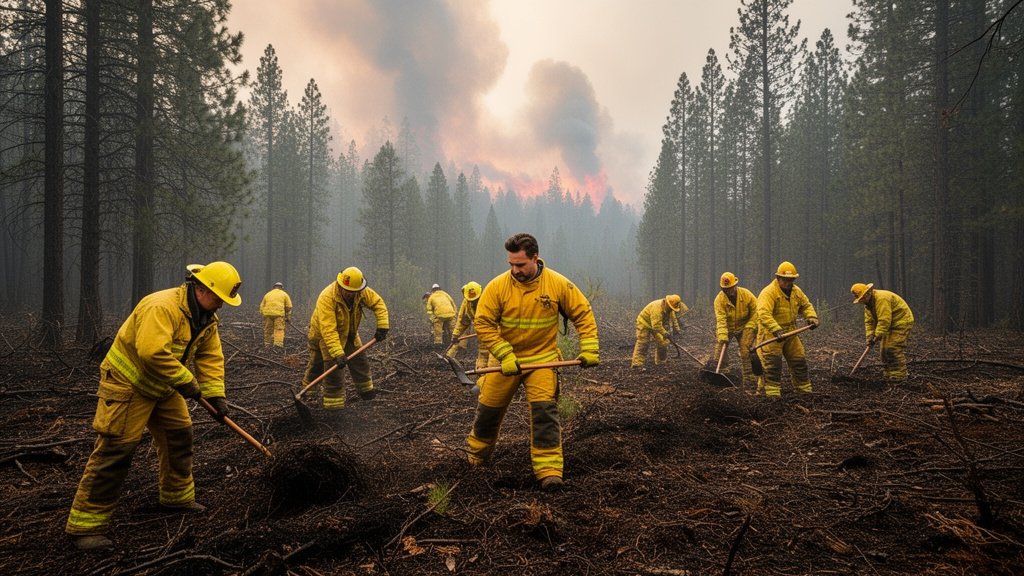
2026 Wildfire Crisis: 8.4 Million Acres Burned as Containment Efforts Stall

September 11, 20260
Editorial

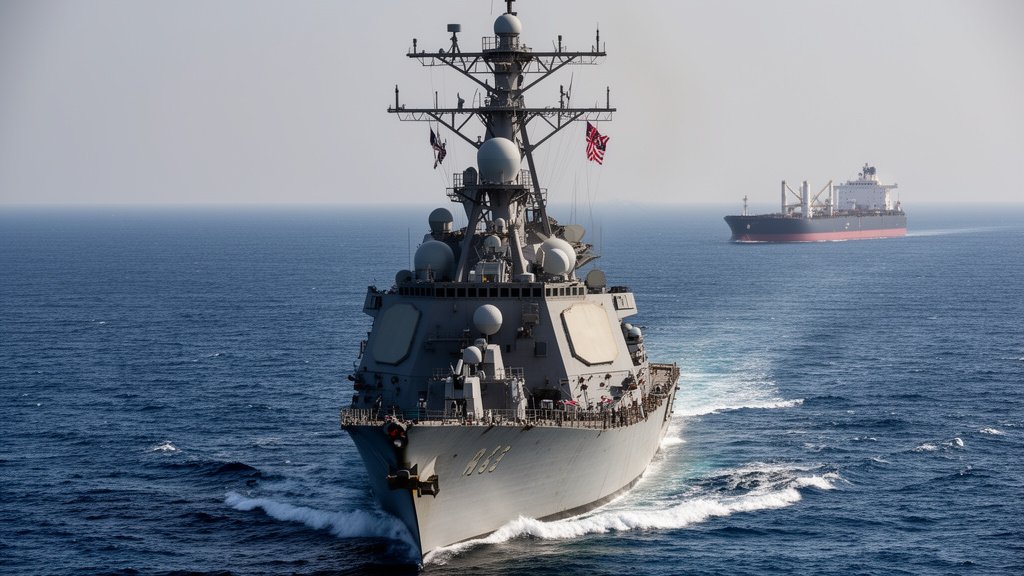
Strait Under Fire: U.S. Retaliation Sinks 8 Iranian Tankers

September 9, 20260
Load more
Read also
Top Stories

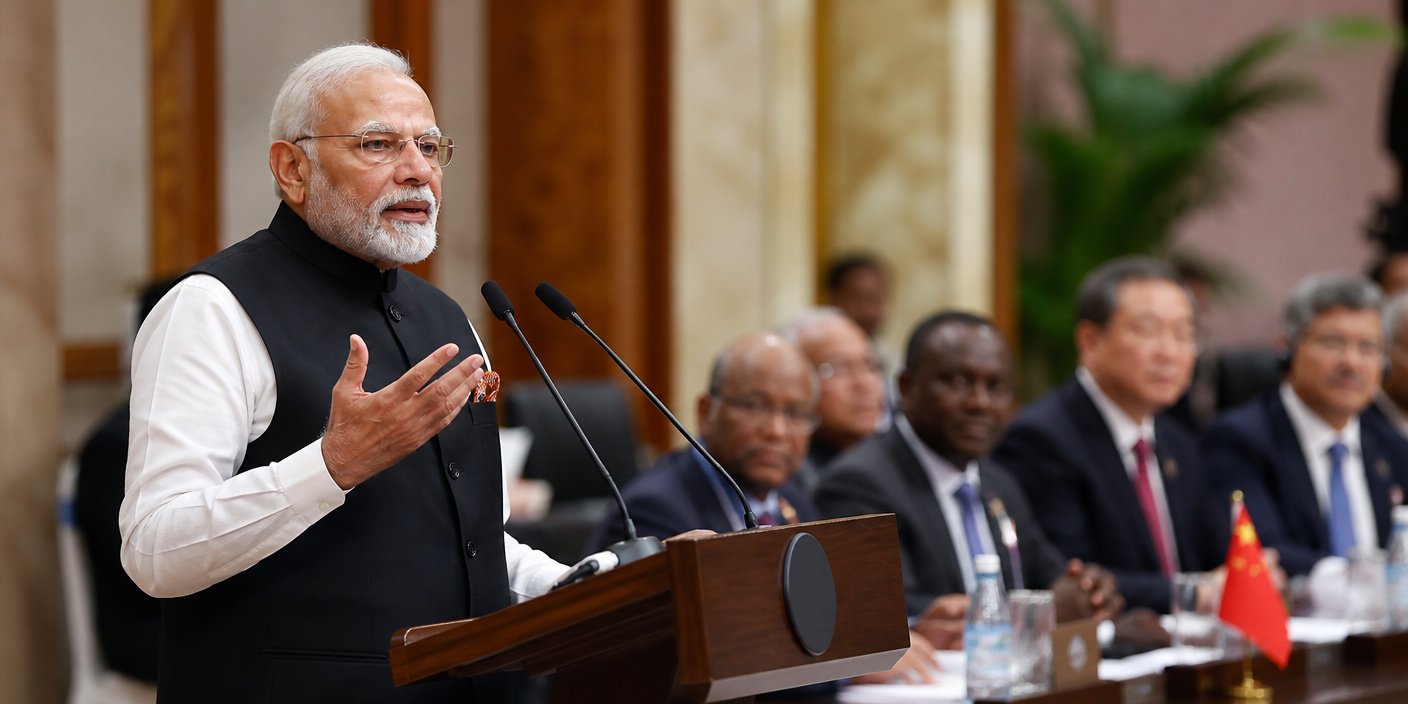
Modi Issues Stark BRICS Warning: Global Stability at Risk

September 13, 20260
Entertainment

Netflix Weekend Watch: 3 Top Movies to Stream Now

September 11, 20260
Editorial

25 Years Since 9/11: A Nation Honors Its Darkest Day

September 11, 20260
Editorial

2026 Wildfire Crisis: 8.4 Million Acres Burned as Containment Efforts Stall

September 11, 20260
Top Stories

Deadly Escalation: Ukraine Strikes Russian Arctic Gas Hubs After Civilian Raids

September 10, 20260
Crime & Justice

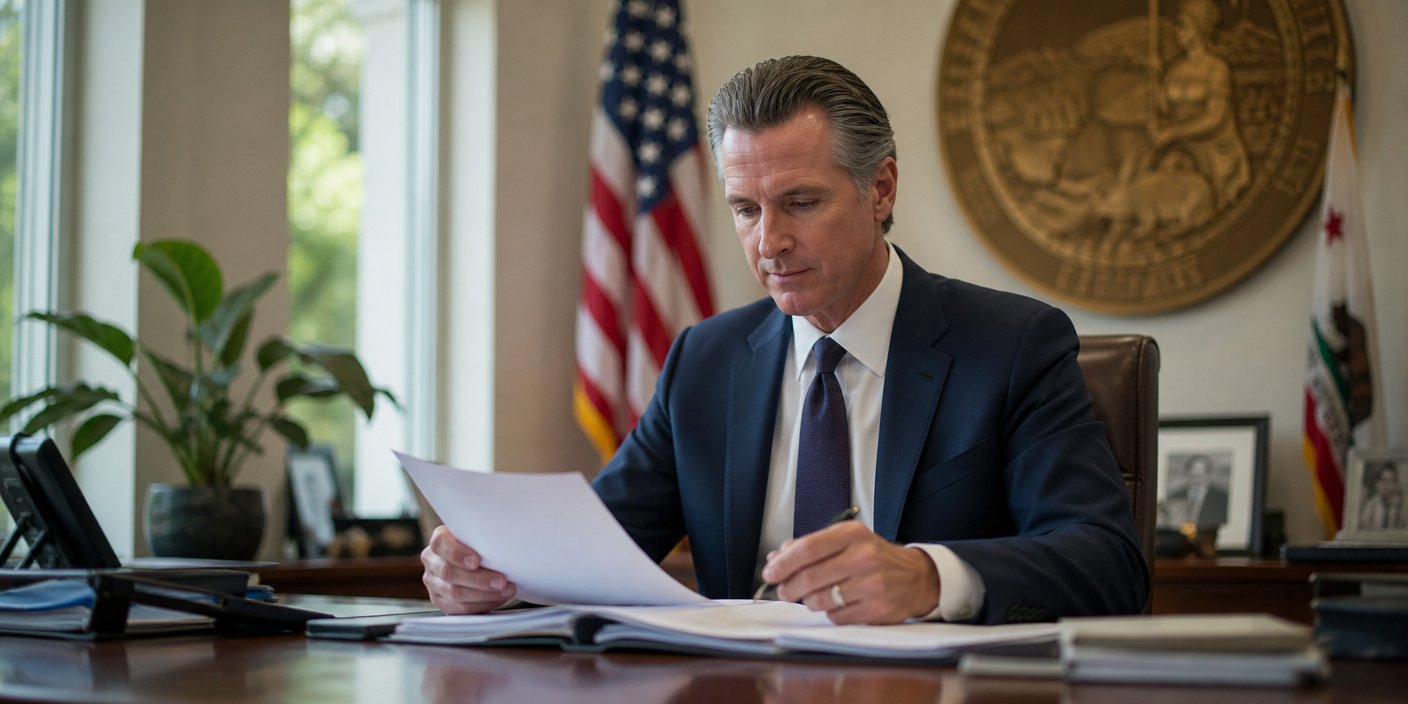
Newsom’s Death Row Crossroads: To Commute or Not?

September 10, 20260
Load more

Recent Posts

  • Modi Issues Stark BRICS Warning: Global Stability at Risk
  • Netflix Weekend Watch: 3 Top Movies to Stream Now
  • 25 Years Since 9/11: A Nation Honors Its Darkest Day
  • 2026 Wildfire Crisis: 8.4 Million Acres Burned as Containment Efforts Stall
  • Deadly Escalation: Ukraine Strikes Russian Arctic Gas Hubs After Civilian Raids

Recent Comments

No comments to show.
Social networks
FacebookLikes
X TwitterFollowers
PinterestFollowers
InstagramFollowers
YoutubeSubscribers
VimeoSubscribers
Popular categories
  • Top Stories622
  • National News338
  • Editorial310
  • Politics292
  • Business284
  • Crime & Justice263
  • Entertainment260
  • Health219
  • Tech & Innovation209
  • Culture & Society206
  • Uncategorized2

Modi Issues Stark BRICS Warning: Global Stability at Risk

September 13, 2026

Netflix Weekend Watch: 3 Top Movies to Stream Now

September 11, 2026

25 Years Since 9/11: A Nation Honors Its Darkest Day

September 11, 2026

2026 Wildfire Crisis: 8.4 Million Acres Burned as Containment Efforts Stall

September 11, 2026

Deadly Escalation: Ukraine Strikes Russian Arctic Gas Hubs After Civilian Raids

September 10, 2026

Awards Season Culminates: Previewing the 97th Academy Awards and Weekend Entertainment Options

4534 Comments

S&P 500 Nears Record as Nasdaq Hits Three-Week High; Major Indexes Post Strong Weekly Gains on February 14, 2025

779 Comments

Google Introduces Premium AI Ultra Subscription Globally: Advanced Capabilities and Pricing Details Emerge

771 Comments

Trump Rallies GOP on Capitol Hill Amidst Doubt for Sweeping Domestic Policy Bill

582 Comments

Future of Telecom: How AI and 5G Convergence is Driving Innovation

542 Comments
    © Copyright 2025, All Rights Reserved
    • About
    • Privacy
    • Contact