U.S. stock futures showed modest gains this Monday morning, August 18, 2025, as global markets digested the outcomes of a high-stakes presidential summit and braced for crucial economic signals from the Federal Reserve’s annual Jackson Hole meeting later this week. Investors are navigating a complex landscape marked by geopolitical tensions, shifting consumer behaviors, and persistent inflationary pressures, all of which are shaping the immediate and long-term economic outlook.
Summit Aftermath: A Measured Market Reaction
The slight uptick in Dow Jones futures comes in the wake of Friday’s highly anticipated summit between U.S. President Donald Trump and Russian President Vladimir Putin. The meeting, held in Alaska, concluded without a significant breakthrough on the protracted Ukraine crisis. While some analysts had hoped for a de-escalation that could positively impact European and Russian equities and potentially lower global energy prices, the absence of major developments means markets continue to watch for any further implications from the ongoing geopolitical situation. The limited immediate impact on U.S. futures suggests that expectations for a dramatic shift from the summit were already low, with investors now turning their focus to domestic economic catalysts.
Jackson Hole Takes Center Stage: The Fed’s Balancing Act
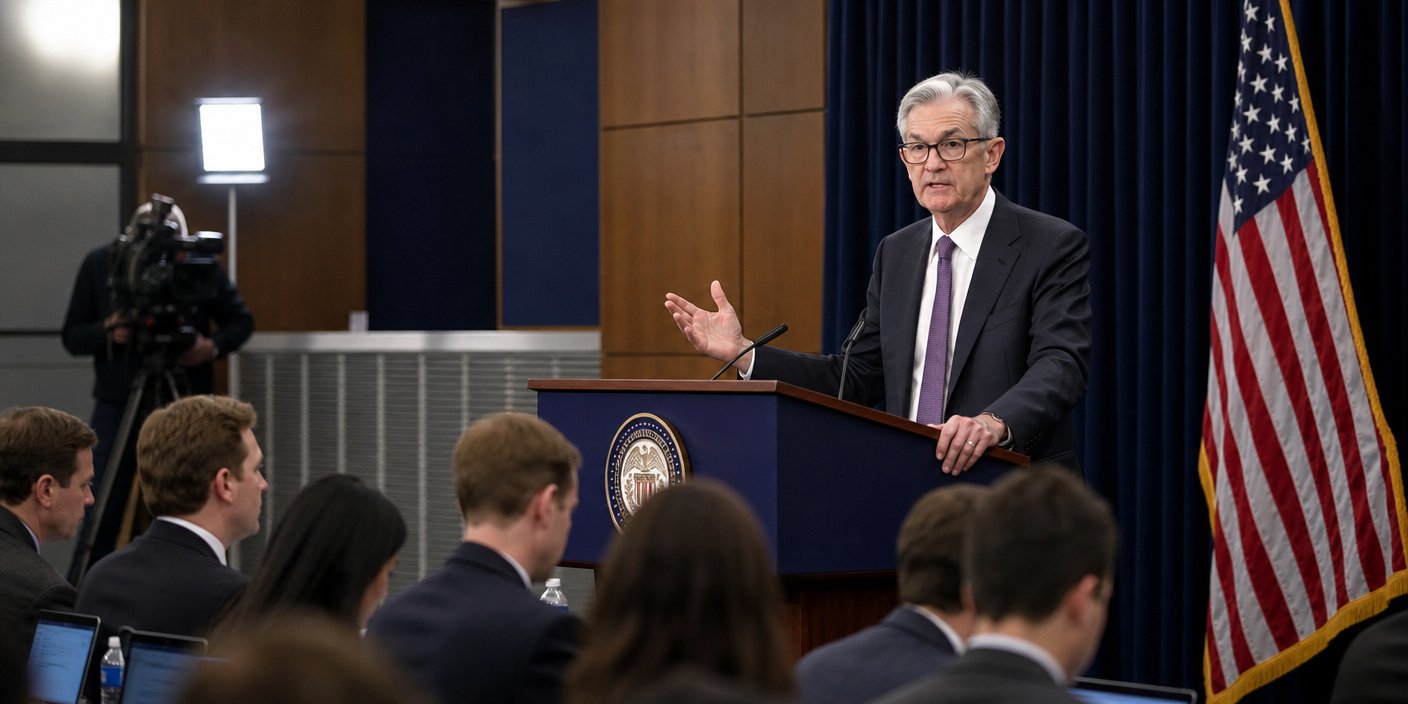
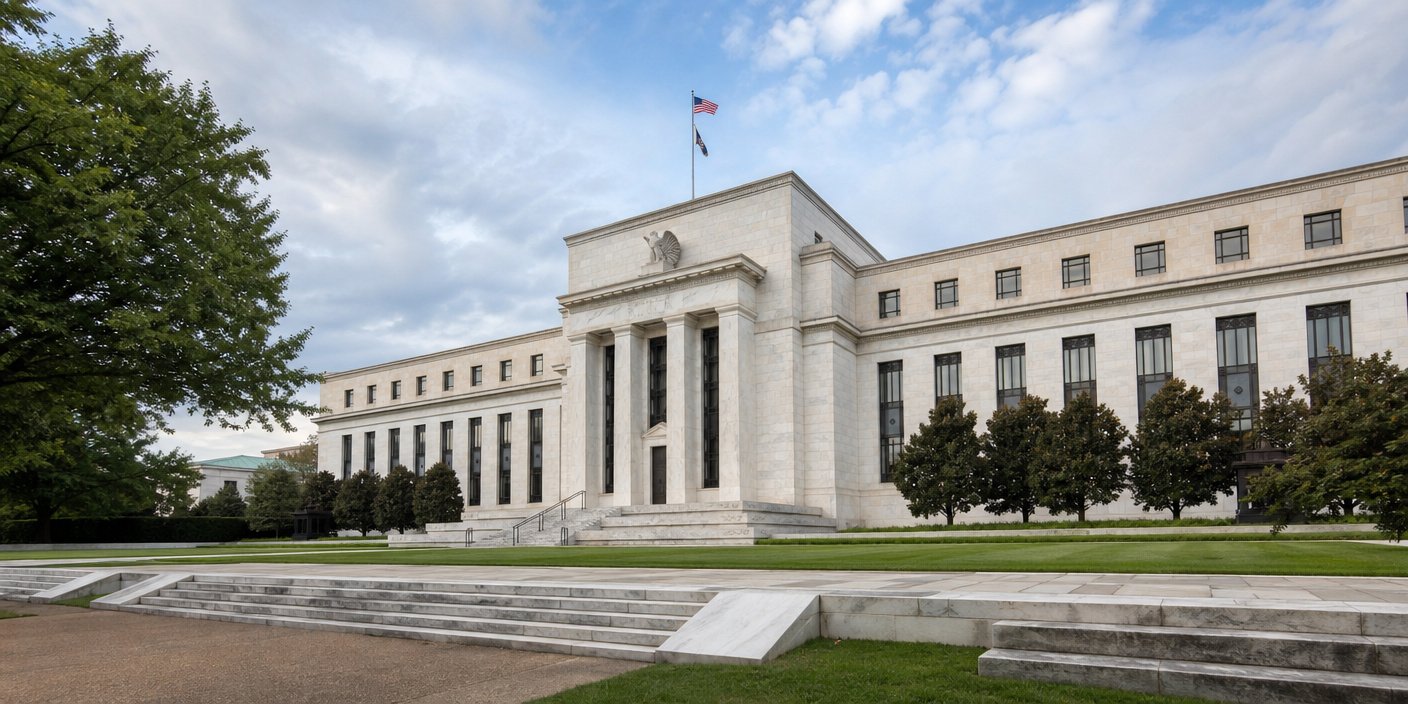
The primary focus for Wall Street this week is undoubtedly the Federal Reserve’s annual economic symposium in Jackson Hole, Wyoming. Federal Reserve Chair Jerome Powell is slated to deliver a highly anticipated speech on Friday, with market participants keenly scrutinizing every word for clues on the future trajectory of monetary policy. Investors are largely pricing in a resumption of interest-rate cuts as early as next month, following an eight-month pause.




Powell faces immense pressure to signal these cuts, particularly from President Trump, who has openly advocated for lower rates, citing concerns over the national debt and economic growth. However, the Fed’s dual mandate of price stability and maximum employment necessitates a delicate balancing act. Recent data showing mixed inflation signals, including a rise in July import prices, alongside a weakening labor market, presents a complex challenge for the central bank. Powell is expected to maintain a cautious, data-dependent stance, likely reiterating that any September policy decision will hinge on forthcoming economic reports.
U.S. Consumer Under Pressure: Spending Shifts and Job Market Woes
Beneath the surface of market movements, the U.S. consumer, a major driver of the economy, is showing signs of strain. A notable shift in spending habits is emerging, with credit-card spending growing slower than debit-card spending—a trend not seen in years. This suggests consumers are increasingly opting for direct payments from their bank accounts, potentially to manage debt or avoid rising interest rates associated with credit.
This behavioral change is compounded by weaker job growth in the first half of 2025. Recent revisions indicate fewer jobs were added than initially reported, painting a less robust picture of the labor market. While large-scale layoffs have not yet materialized, companies appear hesitant to hire, impacting overall wage growth and household cash flows.
Adding to consumer anxieties are rising tariffs imposed by the U.S. government, particularly impacting goods from key trading partners. These tariffs are increasing costs for American businesses, which are increasingly passing them on to consumers through higher prices. Economists predict these tariffs will contribute to inflationary pressures, further eroding consumer purchasing power and dampening overall spending growth.
Global Capital Flows and Fiscal Challenges
In a significant business news trend, Europe is facing economic challenges as some of its notable companies, particularly manufacturers and tech startups, are relocating operations to the U.S. This migration is driven by record-high energy costs and economic instability in Europe, contrasted with competitive operating costs, government incentives like the Inflation Reduction Act, and a more mature venture capital market in the United States. This shift represents a substantial re-alignment of global industrial and technological investment.
Domestically, the U.S. government’s increasing reliance on shorter-dated debt for its borrowing needs is drawing excess cash from the financial system. The Treasury is issuing more short-term bills to finance recent fiscal packages, a move that, while initially absorbable by money markets, could eventually lead to higher long-term yields as the government inevitably shifts to longer-maturity issuance.
Outlook: Awaiting Clarity
As the week unfolds, all eyes will remain on Jackson Hole for definitive cues on the Fed’s monetary policy direction. The interplay of geopolitical dynamics, evolving consumer resilience, and fiscal policy choices will continue to shape market sentiment and the broader economic narrative, providing crucial context for businesses and individuals alike.