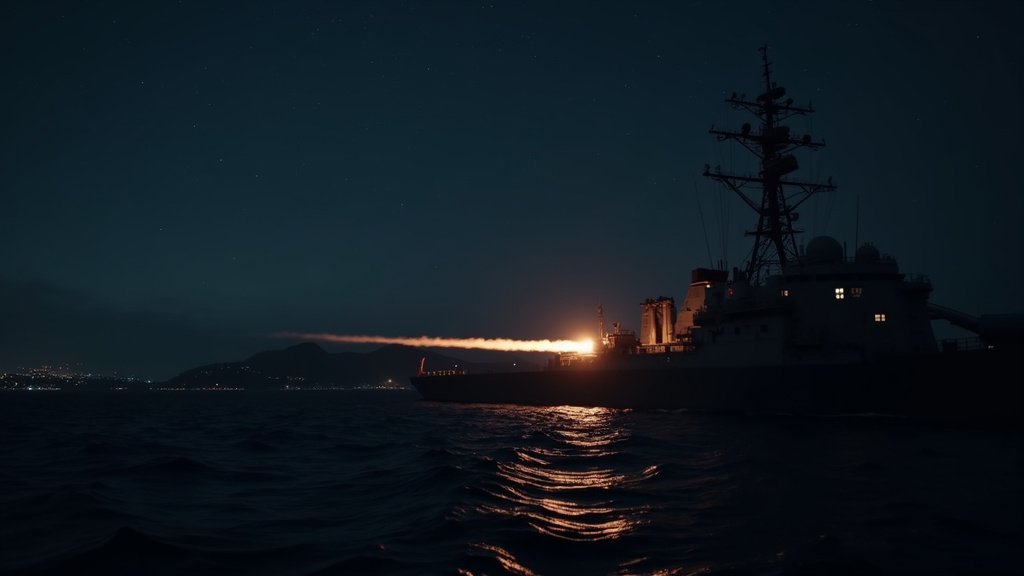
In a significant development, US Military Strikes Nigeria on December 25, 2025, targeting ISIS militants in the northwestern region. President Donald Trump announced the operation, describing it as a “powerful and deadly strike” against “ISIS Terrorist Scum” whom he accused of killing Christians at unprecedented levels. This decisive action became a top news story, with the timing on Christmas Day adding a layer of symbolic significance. The American military acted on the direct orders of Trump, the Commander in Chief, marking a notable intervention. The Nigerian government confirmed its full cooperation, with Foreign Minister Yusuf Tuggar labeling it a “joint operation Nigeria” facilitated by crucial intelligence provided by Nigeria, which helped guide the strikes. These strikes occurred in Sokoto State, a region bordering Niger known for militant activity. U.S. Africa Command (AFRICOM) confirmed the action, stating that multiple ISIS terrorists were killed based on initial assessments. Tomahawk cruise missiles, fired from a U.S. Navy warship, struck known ISIS camps. The Department of War executed the strikes, and Secretary of War Pete Hegseth praised the operation, thanking Nigeria for its support and warning that “more to come,” suggesting potential future actions. Trump’s announcement followed weeks of rhetoric where he accused Nigeria’s government of failing to stop Christian persecution, a central theme for Trump who designated Nigeria a “country of particular concern” under the International Religious Freedom Act. He had threatened to cut U.S. aid and spoke of military intervention, aiming to appear strong on the issue and resonate with his evangelical base. The story gained international attention, but Nigeria’s government pushed back, rejecting claims of systematic persecution. Foreign Minister Tuggar stated the violence affects both Christians and Muslims, describing the situation as complex with security challenges involving various armed groups, including banditry and other conflicts, and that the violence is not solely religiously motivated. Most analysts agree with this view, and the Nigerian government views the conflict as multifaceted, involving land disputes and extremism. They emphasized their commitment to all citizens, with religious freedom being a constitutional guarantee. Officials stated the strikes were about combating terrorism, not religion. The efficacy of US Military Strikes Nigeria is a key point of discussion.
The ISIS Threat in Nigeria and US Military Action
The Islamic State has a significant presence in Nigeria, with affiliates like ISWAP and IS Sahel Province, also known as Lakurawa, operating in the northeast and northwest. They have waged a long insurgency, causing immense suffering, tens of thousands of deaths, and millions of displacements. These groups target military and civilian populations, with Christians and Muslims alike falling victim. ISIS seeks to establish its caliphate by exploiting economic hardship and social divisions, employing tactics such as ambushes, bombings, and kidnappings. The U.S. views these groups as a serious threat, and disrupting them is a key objective aligned with broader American counter-terrorism goals. The US Military Strikes Nigeria aimed to degrade these networks and disrupt operations. The U.S. military seeks to protect American interests and support regional stability, highlighting a complex security landscape. This particular instance of US Military Strikes Nigeria underscores the continuing battle against extremist factions.
Local Reactions to the Strikes and AFRICOM Strikes
Residents in the affected areas experienced the direct impact. Villagers in Jabo, Sokoto State, were startled by loud noises on Thursday night, with their homes shaking from the blasts and the sky glowing red for hours. This intense experience caused confusion and panic as the strikes occurred near their village. Some locals collected debris, unaware of the safety risks, while many expressed fear and called for government protection. The intense noise and light, followed by the area being cordoned off by security forces, caused significant local disturbance. There were no reported civilian casualties, but the unexpected military action was unsettling. Some villagers were unaware of the ISIS presence nearby, highlighting a gap in local awareness and the reach of these operations. The AFRICOM strikes, part of the broader US Military Strikes Nigeria, had a direct local impact.
Diplomatic Maneuvers, Trump’s Military Orders, and Future Implications of US Military Strikes Nigeria
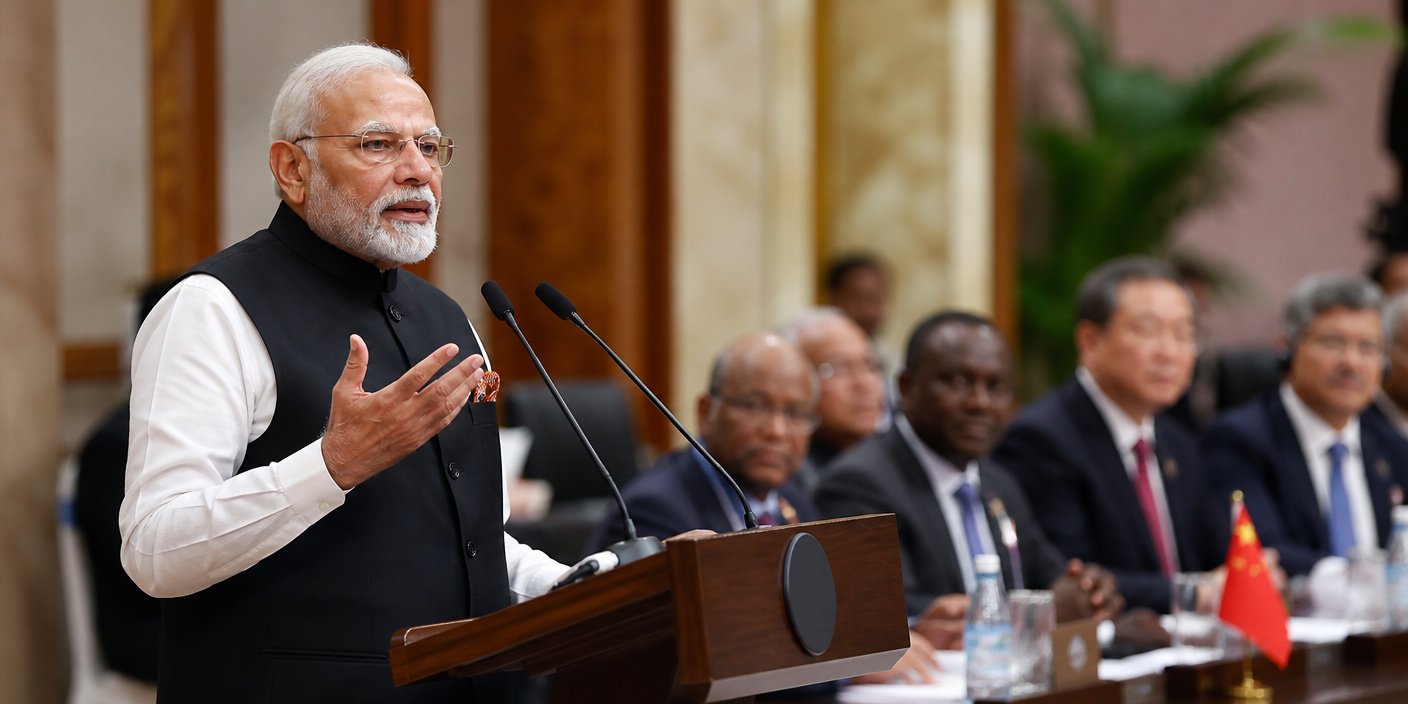
This military action followed a period of diplomatic tension, with Trump’s accusations straining U.S.-Nigeria relations and his threats to cut aid and intervene militarily. Nigeria’s President Bola Tinubu rejected these claims, insisting on respecting Nigeria’s sovereignty. The joint operation suggests a shift from confrontation to cooperation, with Nigeria welcoming U.S. assistance but stressing its collaborative nature and resisting unilateral action. The current cooperation respects Nigerian territory through intelligence sharing and strategic coordination, aiming to combat terrorism effectively. Foreign Minister Tuggar indicated that more strikes could follow, depending on leadership decisions, signifying a new phase in the conflict. The U.S. has a goal to protect Americans abroad and disrupt violent extremist organizations. This event details a top American military action and underscores the ongoing fight against terrorism, involving complex international relations and sensitive religious issues. The Nigerian government remains committed to its people, prioritizing civilian safety and upholding dignity for all. The fight against terrorism is ongoing and requires sustained international effort. Nigeria and the U.S. are now working together to weaken terrorist networks, disrupt financing and logistics, and prevent cross-border threats, while also strengthening Nigeria’s security institutions. This story is a testament to evolving alliances and how diplomatic pressure can lead to action, while also highlighting the human impact of conflict. The American involvement shows its commitment as part of a larger global effort. The U.S. will continue to monitor threats and work with partners. This operation represents a determined stance against groups that threaten peace, demonstrating shared security concerns. The U.S. aims to protect innocent lives, making the partnership between nations crucial for future success. The ongoing fight requires constant vigilance, and the American military remains ready. The series of US Military Strikes Nigeria reflects a complex and evolving situation, where Trump’s military orders have led to a new phase of engagement. The counter-terrorism goals are clear, even amidst the complexities of Nigeria security challenges.