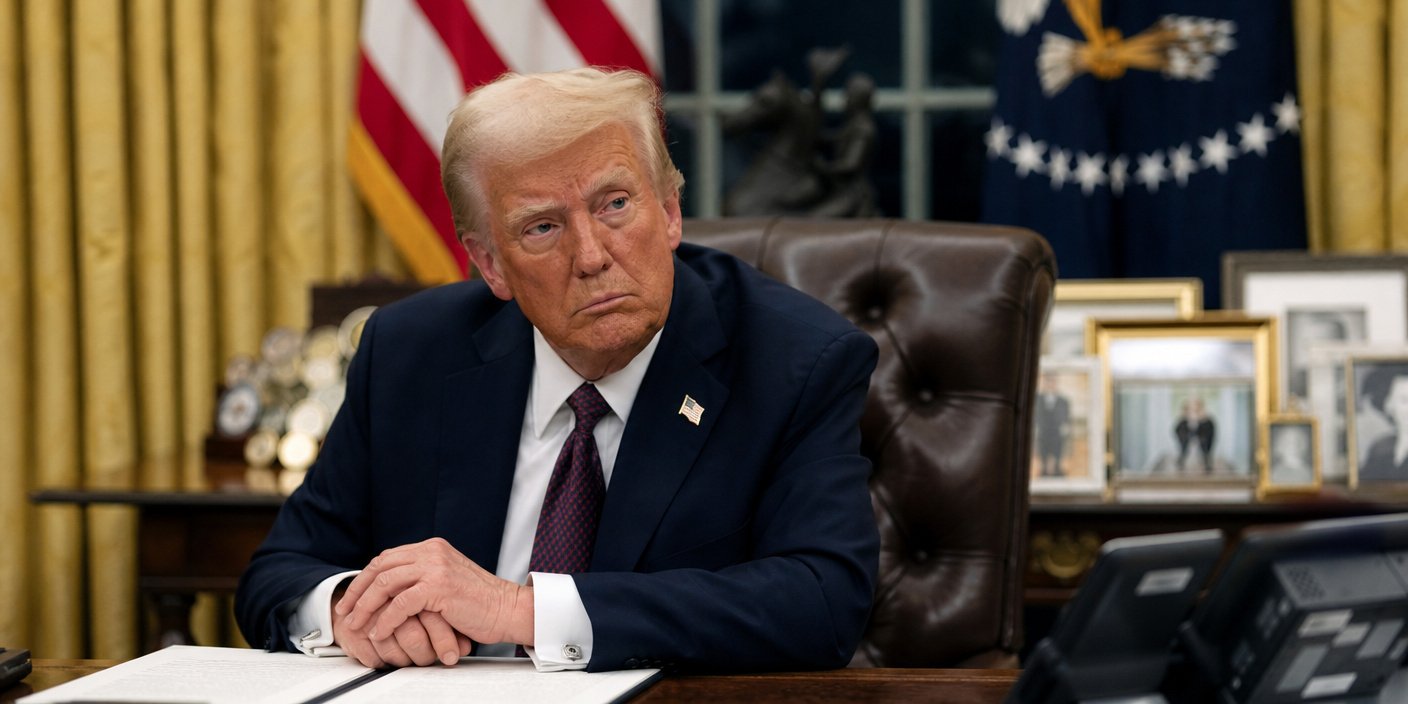
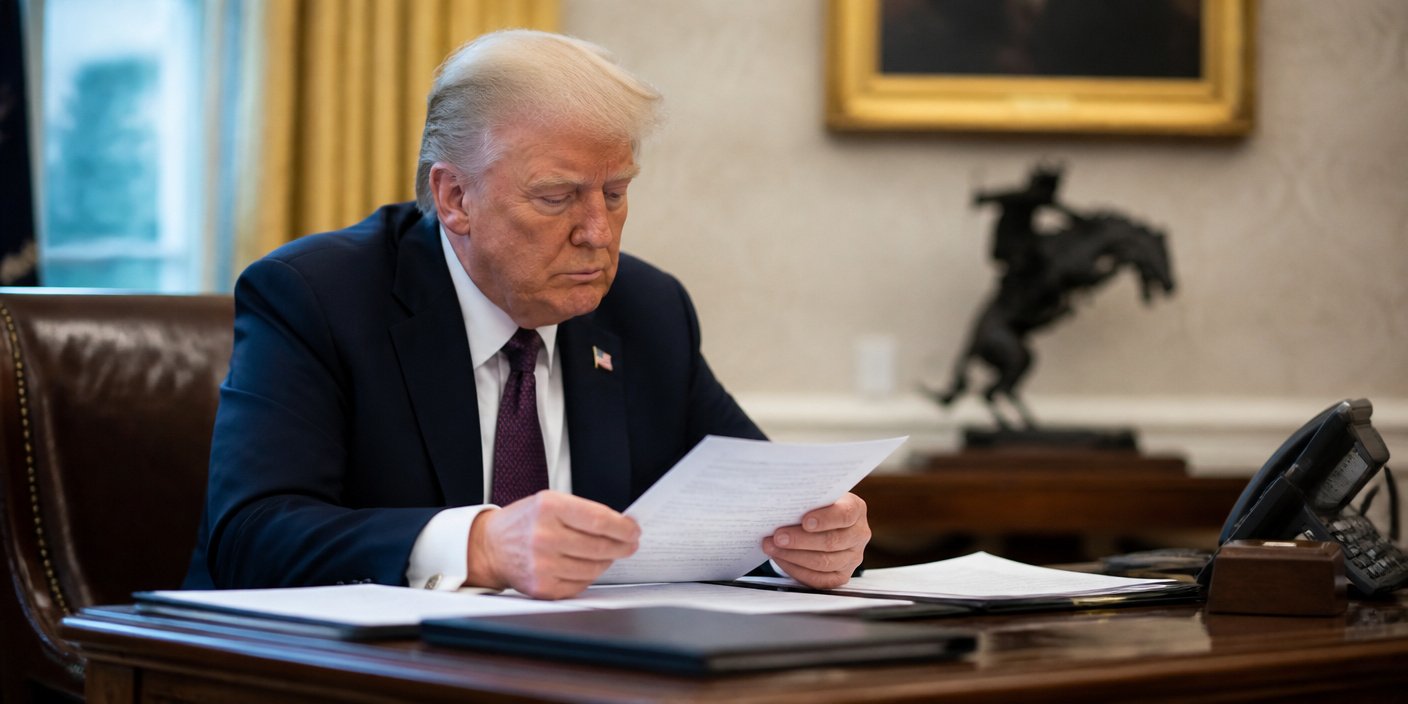
In a significant development poised to reshape global economic relations, top trade negotiators from the United States and China have reached a preliminary consensus on a broad range of contentious issues concerning **US China Trade**. This breakthrough agreement is set to be presented to President Donald Trump and Chinese President Xi Jinping for finalization during their highly anticipated meeting scheduled for Thursday in South Korea. The deal offers a critical de-escalation of trade tensions that have rattled international markets and threatens to avert steeper tariffs and disruptive export controls, marking a pivotal moment for **US China Trade**. This development highlights the ongoing dynamics of **US China Trade**.
The framework agreement emerged from intensive, high-level talks held on the sidelines of the ASEAN summit in Kuala Lumpur, Malaysia, over the weekend. U.S. Treasury Secretary Scott Bessent described the outcome as a “very substantial framework” and a “successful framework” that provides leaders with a solid basis for concluding a comprehensive deal. China’s top trade negotiator, Li Chenggang, confirmed that a “preliminary consensus” had been achieved on various key points, impacting the future of **US China Trade**.
This American story of negotiation marks a pivotal moment, potentially easing the path toward more balanced trade relations between the world’s two largest economies. The discussions successfully addressed immediate concerns, including the threat of President Trump’s proposed 100% tariffs on Chinese goods, which is now “effectively off the table”, a positive sign for **US China Trade**.
Key Pillars of the Emerging US China Trade Deal


The preliminary consensus covers several critical areas that have been central to the escalating trade war. Among the most significant concessions is China’s agreement to defer its threatened export controls on rare earth minerals. These minerals are vital for the production of advanced technologies, including smartphones, electric vehicles, and defense systems, and China’s dominant position in their supply chain had raised significant global concerns, impacting **US China Trade**. Sources indicate this deferral is expected to last for approximately one year, allowing for further review and policy adjustments within the context of **US China Trade**. This is a significant aspect of the **US China Trade** dynamics.
Furthermore, China has indicated it will resume substantial purchases of US agriculture exports, particularly soybeans, a move that would significantly benefit American farmers who have faced near-zero Chinese imports in recent months. This is a crucial development for **US China Trade**. The agreement also addresses the critical issue of fentanyl precursor chemicals, with discussions yielding a consensus that suggests the U.S. may lift or reduce tariffs imposed to pressure Beijing on this matter. This could involve China halting the export of these chemicals to the U.S., influencing **US China Trade**.
Averting Tariff Escalation and Addressing TikTok in US China Trade
A major point of contention that has been put to rest, at least for now, is President Trump’s threat to impose a 100% tariff on all Chinese imports, a measure that was set to take effect on November 1. U.S. officials have stated this threat is now “effectively off the table,” marking a significant diplomatic win and averting severe disruption to global supply chains, a crucial outcome for **US China Trade**. The existing trade truce, which was set to expire around November 10, is also expected to be extended pending the leaders’ decision, further solidifying **US China Trade** negotiations.
The complex issue surrounding the sale of the popular social media app TikTok in the United States also appears to be nearing a resolution, another key element of the ongoing **US China Trade** discussions. U.S. Treasury Secretary Scott Bessent indicated that a “final deal” has been reached regarding TikTok’s U.S. operations, with all details ironed out and awaiting final approval from the leaders, impacting **US China Trade**.
Broader Geopolitical Discussions on the Horizon for US China Trade
Beyond the immediate trade-related issues, the upcoming meeting between Trump and Xi is also slated to touch upon broader geopolitical matters. President Trump has expressed his hope to enlist China’s assistance in resolving the ongoing war in Ukraine. Trump has indicated that he will discuss “everything” with Xi, including strategies to pressure Moscow and bring an end to the conflict, which has seen significant loss of life. China’s role as a key economic partner to Russia makes its potential influence a significant factor in international diplomacy concerning the war, though its direct impact on **US China Trade** remains to be seen.
Historical Context and Future Implications for US China Trade
The U.S.-China trade war has been a defining feature of international economic policy for years, marked by escalating tariffs and retaliatory measures impacting **US China Trade**. The initial phase one trade deal, signed in January 2020, aimed to address issues such as intellectual property theft and trade imbalances but faced implementation challenges and fell short of its ambitious targets for **US China Trade**. The current administration has maintained many of the tariffs, while also seeking new agreements. The proposed 60% tariff on Chinese goods by the Trump campaign in 2024 and subsequent escalations in 2025 highlight the volatile nature of the bilateral relationship and its effect on **US China Trade**.
The framework agreement, if finalized, represents a significant shift from the brinkmanship of recent weeks, offering a positive outlook for **US China Trade**. China’s controlling position in rare earth mining and processing, holding approximately 70% of global mining and 90% of processing capacity, underscores the critical importance of this aspect of the deal for global technology supply chains and **US China Trade**. The U.S. imports 74% of its rare earth compounds and metals, with 70% originating from China, according to 2023 data, making this a key element in **US China Trade**.
The potential implications of this framework extend beyond bilateral trade, impacting regional economies that have experienced spillover effects from trade tensions. While this agreement provides a much-needed reprieve for **US China Trade**, longer-term concerns related to national security, economic competition, and industrial policy are unlikely to be fully resolved. The deal’s success will hinge on the details of its implementation and the continued commitment of both nations to manage their differences constructively, shaping the future of **US China Trade**. The coming days will reveal whether this framework can translate into a lasting period of reduced tensions and increased economic stability for **US China Trade**.