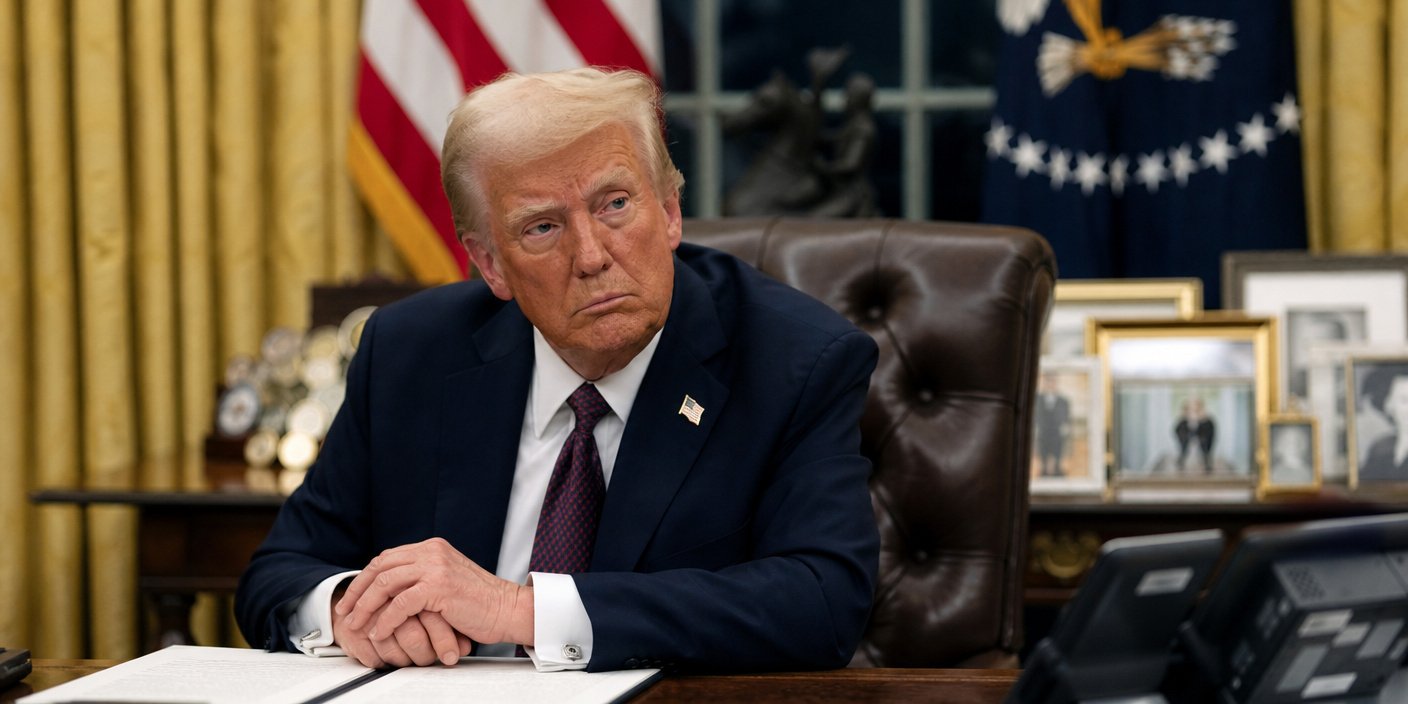
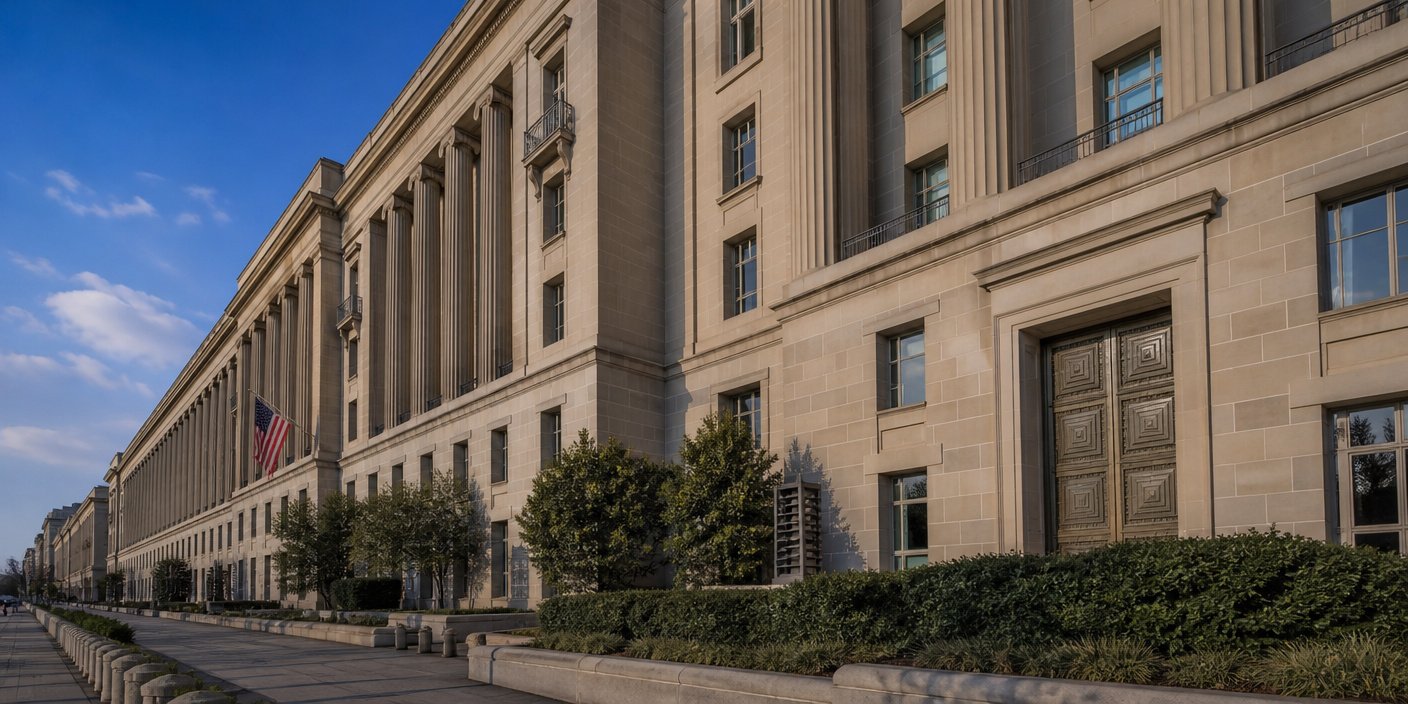
In a significant display of bipartisan dissent, the United States Senate has voted multiple times in late October 2025 to nullify sweeping global tariffs enacted by President Donald Trump, highlighting deep divisions over the nation’s trade policy. The legislative pushback, led by Democrats and supported by a handful of Republicans, seeks to dismantle Trump tariffs that have been in place on over 100 countries, arguing they inflict economic harm on American families and businesses. The Trump trade policy is facing significant scrutiny.
Senate Votes to Roll Back Trump Tariffs
The most prominent of these actions saw the Senate vote 51-47 to eliminate the national emergency that underpinned President Trump’s broad “Liberation Day” tariffs, highlighting the growing opposition to Trump tariffs. This came as part of a series of votes that week, including separate measures to end tariffs on goods from Canada (50-46) and Brazil (52-48). This focus on Trump tariffs underscores the economic harm being felt.
These tariffs, often imposed under the authority of the International Emergency Economic Powers Act (IEEPA) and Section 232 of the Trade Expansion Act, were characterized by the administration as a necessary tool to address global trade imbalances and perceived unfair trade practices. The “Liberation Day” tariffs, in particular, established a baseline 10% tariff on imports from nearly all countries, with additional, higher country-specific rates aimed at nations with which the U.S. had significant trade deficits. President Trump often stated that tariffs were a powerful instrument to protect American industries and workers, a key tenet of his Trump trade policy.
A Crack in the Republican Ranks Against Trump Tariffs

Crucially, these Senate votes demonstrated a notable bipartisan consensus against the president’s aggressive tariff strategy. While the majority of Senate Republicans voted against the resolutions, a consistent bloc of four Republican senators—Susan Collins of Maine, Lisa Murkowski of Alaska, Mitch McConnell of Kentucky, and Rand Paul of Kentucky—joined all Democrats in supporting the measures. Senator Thom Tillis of North Carolina also supported the resolution to end tariffs on Brazil. This marked a significant moment of bipartisan dissent on Trump tariffs.
These four Republicans, along with others who have expressed unease, have voiced concerns that the tariffs make goods more expensive for American consumers and businesses, and can harm sectors like agriculture and manufacturing. Senator McConnell, for instance, stated that “tariffs make both building and buying in America more expensive”. This bipartisan opposition signals discomfort within the Republican party, traditionally a staunch advocate for free trade, with the protectionist policies championed by President Trump, particularly the wide-reaching Trump tariffs.
Economic Costs and Consequences of Trump Tariffs
Proponents of the Senate’s nullification efforts argue that Trump’s tariffs have inflicted significant economic damage. Democrats, such as Senator Ron Wyden of Oregon, have emphasized that “American families are being squeezed by prices going up and up and up” and that the tariffs “stop taking money out of Americans’ pockets”. Analyses suggest that these Trump tariffs can lead to higher inflation, reduced GDP growth, and increased costs for consumers, potentially costing American households hundreds or even thousands of dollars annually. The impact has been particularly felt in rural areas and by farmers who face retaliatory tariffs from other nations, illustrating the economic harm.
Geopolitical Tensions and Trade Wars Fueled by Trump Tariffs
The imposition of these broad tariffs occurred amidst escalating trade tensions, most notably with China. The US-China trade war, which began in 2018, saw both nations impose significant retaliatory tariffs on billions of dollars worth of goods. While a “Phase One” trade deal was signed in January 2020, tensions and tariffs largely persisted. The “Liberation Day” tariffs and subsequent Senate votes took place against this backdrop of complex international trade negotiations and strained diplomatic relationships with key global partners, with Trump tariffs playing a central role.
The Concurrent Chip Shortage Conundrum and Trump Tariffs
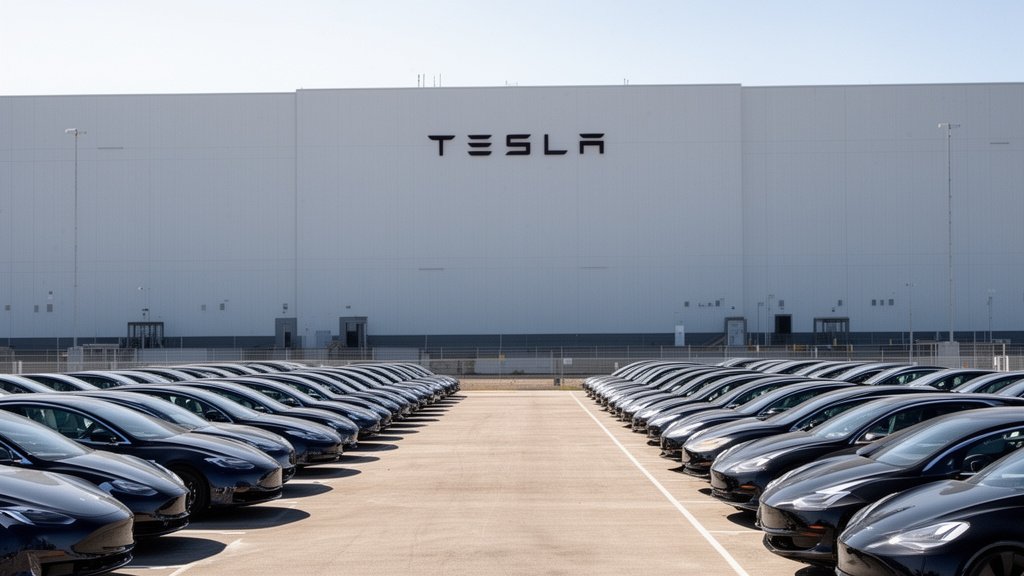
Compounding the economic uncertainties surrounding the tariff debates is the ongoing global semiconductor chip shortage. This crisis, exacerbated by the COVID-19 pandemic and geopolitical tensions, has disrupted supply chains across numerous industries, particularly the automotive sector. Automakers have faced production disruptions, delays, and increased costs due to insufficient chip supplies, with warnings of potential future shutdowns as geopolitical disputes, such as that between China and the Netherlands over the chip manufacturer Nexperia, threaten further supply chain instability. While the causes of the chip shortage are distinct from the tariff policies, its presence adds another layer of complexity to the current economic landscape and the challenges facing American industries and consumers, with the Trump trade policy adding to the instability.
Symbolic Action with Limited Immediate Impact on Trump Tariffs
Despite the bipartisan votes and the clear legislative intent, the Senate’s efforts to nullify President Trump’s tariffs are largely symbolic in their immediate effect. The House of Representatives has implemented rules that prevent resolutions to block tariffs from reaching a floor vote, and it is widely anticipated that President Trump would veto any such legislation that managed to clear Congress. Furthermore, federal courts have begun to rule that certain tariffs imposed under the IEEPA are unlawful, though these decisions are subject to appeal, with the Supreme Court expected to weigh in on key cases regarding Trump tariffs. This situation highlights the trade policy divisions.
Nonetheless, the repeated votes in the Senate serve as a significant political signal. They underscore a growing unease within Congress, including among some Republicans, about the far-reaching economic consequences and the president’s unilateral use of emergency powers to enact trade policy. As the top American story continues to unfold, these votes mark a critical moment in the ongoing debate over the direction of US trade policy and its impact on the global economy, particularly concerning the legacy of Trump tariffs.