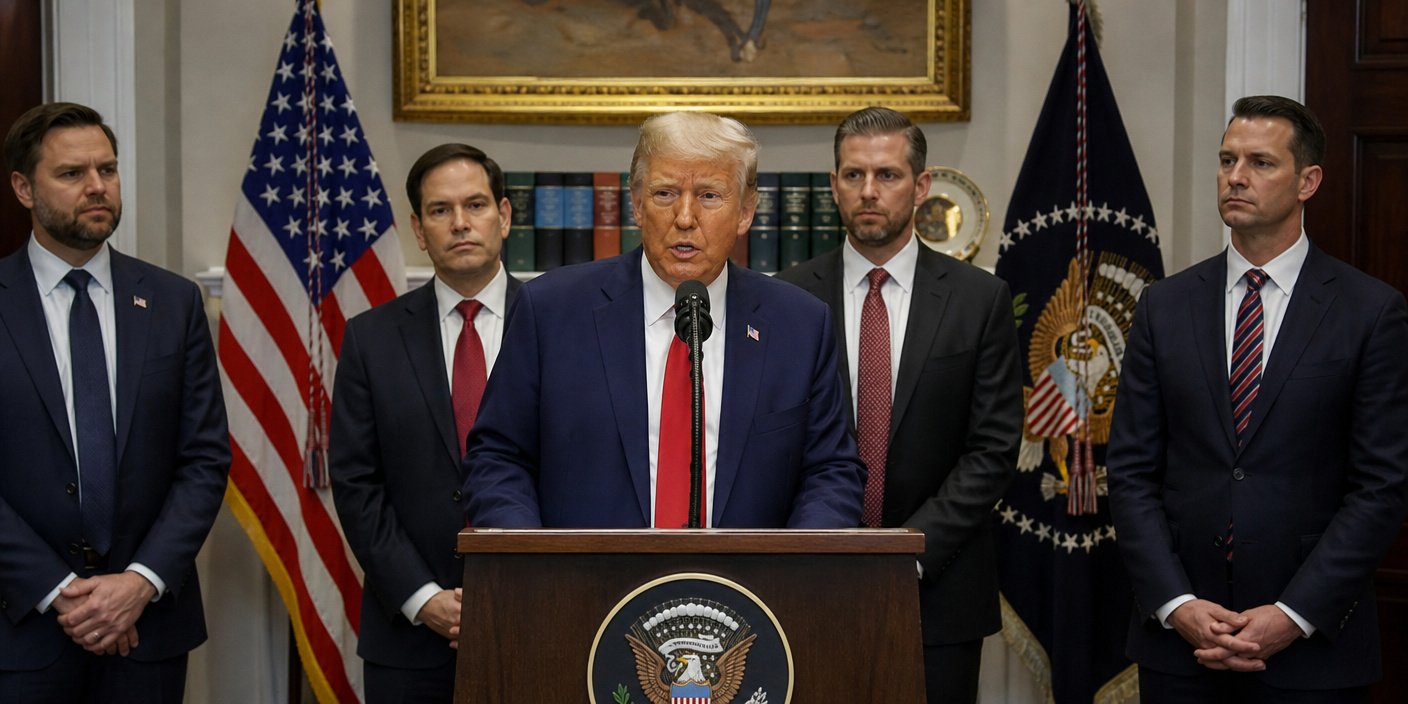
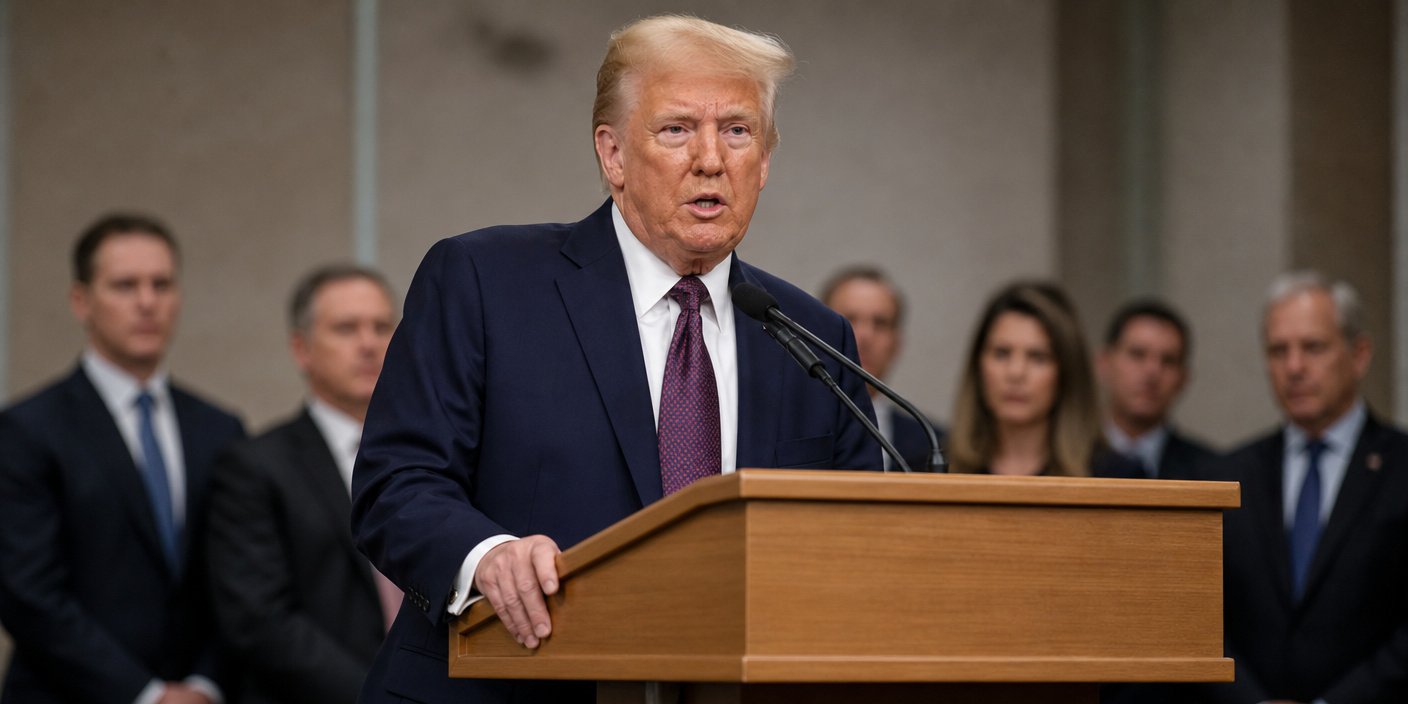
WASHINGTON D.C. – In a significant and controversial policy shift, President Donald Trump has ordered the United States to immediately resume Nuclear Weapons Testing, ending a voluntary moratorium that has been in place for 33 years. The directive, announced via social media on October 30, 2025, marks a dramatic departure from decades of American restraint and has sent ripples of concern through the international community regarding Nuclear Weapons Testing.
A Surprise Directive Amidst Geopolitical Strife and Nuclear Weapons Testing
The announcement came just minutes before President Trump’s high-stakes meeting with Chinese President Xi Jinping in South Korea, a summit aimed at de-escalating trade tensions and influencing US nuclear policy. Trump cited the “testing programs” of other countries, specifically mentioning Russia and China, as the impetus for his decision. “Because of other countries testing programs, I have instructed the Department of War to start testing our Nuclear Weapons on an equal basis,” Trump stated on his Truth Social platform. “That process will begin immediately”, signaling a potential shift in Global tensions.

This move upends a policy that began in 1992 when President George H.W. Bush imposed a moratorium on nuclear testing. The United States last conducted an underground nuclear test in Nevada in September 1992. While the US signed the Comprehensive Nuclear-Test-Ban Treaty (CTBT) in 1996, it was never ratified by the Senate, though the US has largely adhered to its spirit, a move that could be impacted by renewed Nuclear Weapons Testing.
Rationale and International Concerns Regarding Nuclear Weapons Testing
Trump’s justification for restarting tests centers on perceived advancements in nuclear capabilities by rivals. He asserted that while the US “stood still,” Russia and China have been advancing their testing capabilities. Trump also claimed the US possesses more nuclear weapons than any other country, a statement contradicted by figures from organizations like the Stockholm International Peace Research Institute, which indicate Russia holds a larger stockpile, impacting the landscape of Russia China nuclear capabilities and the future of Nuclear Weapons Testing.
The announcement was met with immediate criticism from international bodies and allies. United Nations Secretary-General António Guterres, through his spokesperson, declared that nuclear testing “can never be permitted under any circumstances” and warned that “current nuclear risks are already alarmingly high”. China’s Foreign Ministry urged the US to “earnestly abide” by the global nuclear testing ban and uphold commitments to suspend testing. Russia questioned the accuracy of Trump’s claims, with Kremlin spokesman Dmitry Peskov stating that Russia was unaware of any other countries testing nuclear weapons. However, Russia also issued a veiled warning, with officials suggesting Moscow would act accordingly if the US were to depart from the moratorium, potentially impacting the Test Ban Treaty.
Domestic Pushback and Expert Analysis on Nuclear Weapons Testing
Domestically, the decision has also drawn sharp criticism. Arms control advocates, such as Daryl Kimball, executive director of the Arms Control Association, called the move “reckless” and stated the US has “no technical, military, or political reason to resume nuclear explosive testing”. Concerns have been raised that restarting tests could trigger a global nuclear arms race, undermining existing non-proliferation efforts and treaties, and directly challenging the concept of a Nuclear moratorium.
Lawmakers from Nevada, the site of most past US nuclear testing, have vowed to fight the directive. Representatives Dina Titus and Susie Lee, alongside Senator Catherine Cortez Masto, announced plans to introduce legislation to ban explosive nuclear tests, further complicating US nuclear policy and the debate surrounding Nuclear Weapons Testing.
Experts are also divided on the precise intent behind Trump nuclear order. While some believe it refers to actual nuclear warhead testing, others suggest it might encompass the testing of nuclear-capable delivery systems, such as missiles, which the US military continues to conduct. The Pentagon and the Department of Energy, which historically oversees US nuclear weapons development and testing, have yet to provide detailed clarification on the scope and immediate implementation of the order.
The implications for global American politics and international security are profound. The decision signals a potential return to a more confrontational stance in nuclear policy, moving away from diplomatic initiatives and arms control frameworks painstakingly built over decades. The coming months will reveal the true extent of the US commitment to this new nuclear testing posture and its impact on international stability, especially concerning Nuclear Weapons Testing.