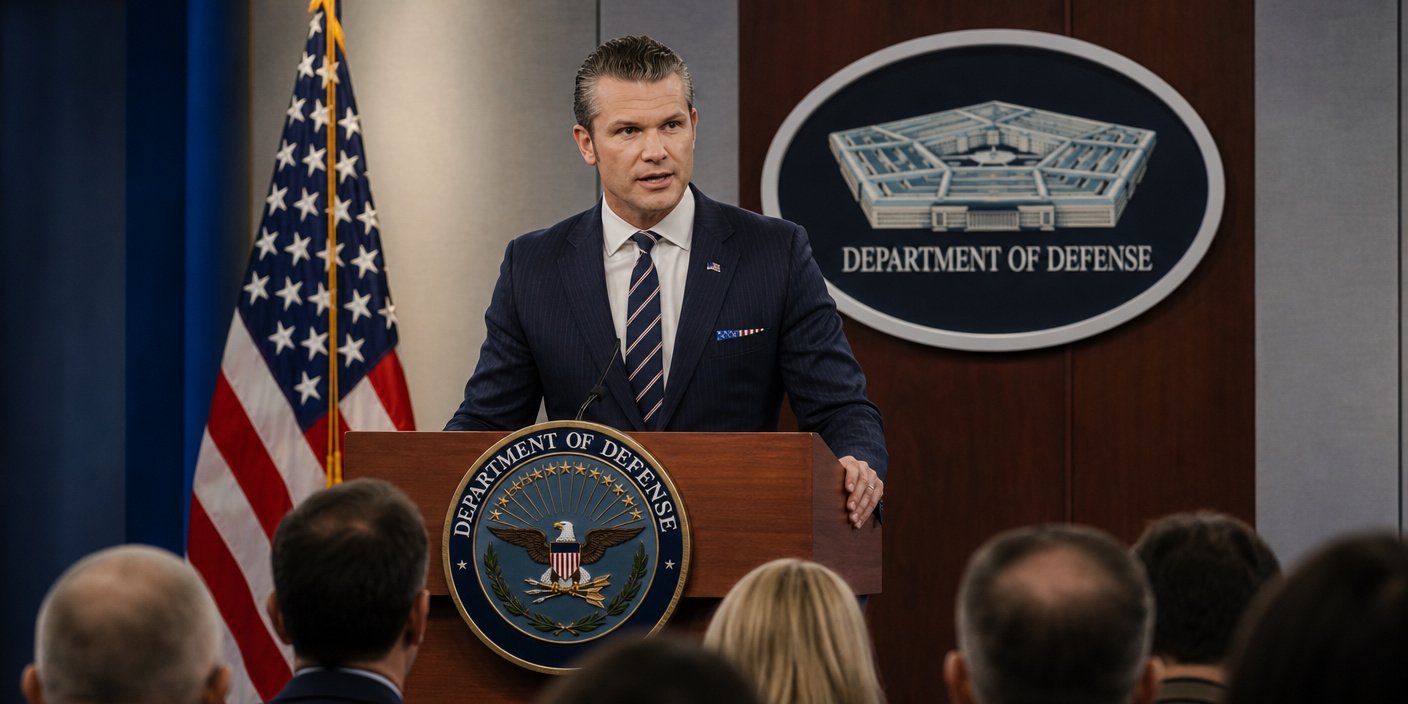
The Trump administration has reportedly taken steps to silence news organizations that have published critical coverage regarding its Iran policy, with simultaneous reports of U.S. citizens being urged to depart Iraq due to heightened security risks.
- Reports indicate the White House is pressuring news outlets over their reporting on Iran.
- The U.S. Embassy in Baghdad advised citizens to leave Iraq following an attack.
- These actions suggest a heightened geopolitical tension involving the U.S., Iran, and Iraq.
Shifting Sands of Diplomacy and Media Pressure
The Trump administration has found itself at the center of controversy, facing accusations of attempting to curb critical reporting by news outlets concerning its foreign policy, particularly concerning Iran. This alleged pressure campaign coincides with a stark warning issued by the U.S. Embassy in Baghdad, which advised American citizens to evacuate Iraq in the wake of a significant attack. These dual developments paint a picture of escalating regional instability and a White House potentially seeking to control the narrative surrounding its foreign policy decisions.
The Alleged Media Blackout
Sources suggest that the White House has been engaging in behind-the-scenes efforts to dissuade news organizations from publishing unfavorable stories related to its Iran strategy. This alleged tactic, if proven, represents a significant concern for press freedom advocates who argue that a free and unfettered press is essential for a healthy democracy, especially when reporting on matters of national security and foreign affairs. The administration’s approach is seen by some as an attempt to manage public perception by limiting access to information or by discouraging critical analysis of its actions.
Escalating Tensions in the Middle East
Concurrently, the security situation in Iraq has deteriorated to a point where the U.S. Embassy in Baghdad felt compelled to issue an urgent advisory for U.S. citizens to leave the country. This advisory followed a specific attack, signaling a clear and present danger to foreign nationals. The U.S. has long been involved in the complex geopolitical landscape of the Middle East, and this latest development underscores the persistent volatility of the region. The advisory implies a potential for further escalation and increased risk for those present in Iraq, including diplomatic personnel and American citizens.
Intertwined Geopolitics and Media Scrutiny
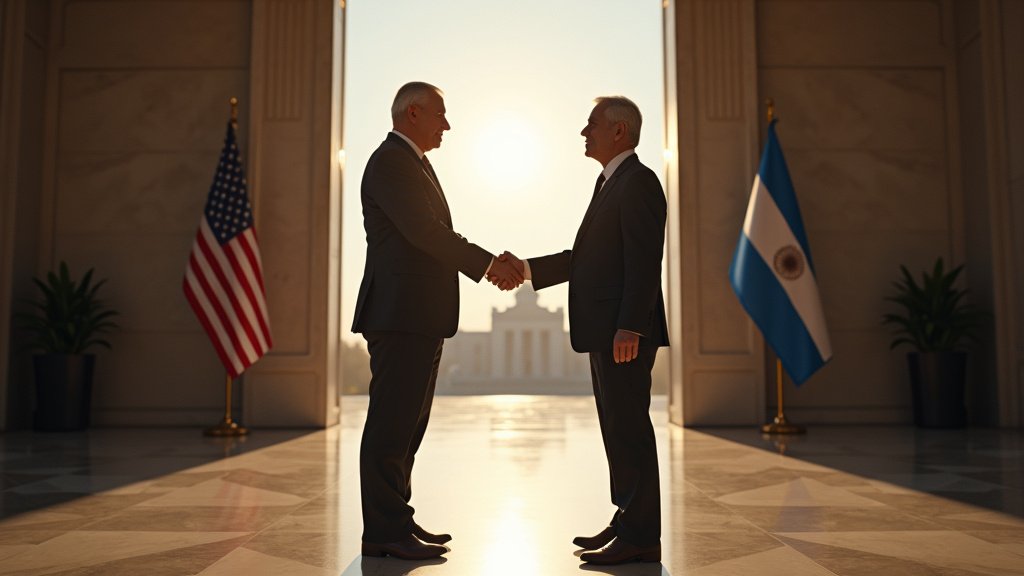
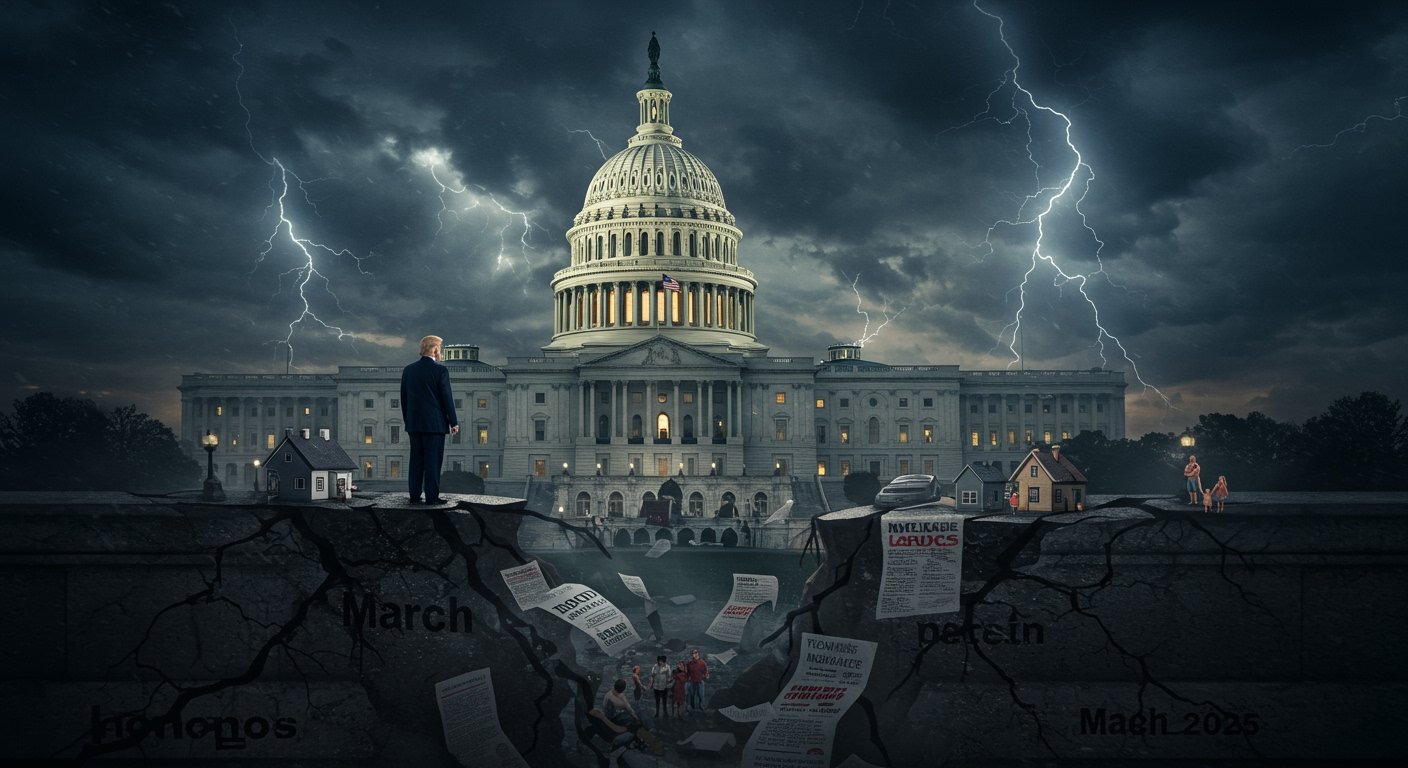

The confluence of these two events is significant. The administration’s alleged efforts to control media coverage of Iran could be interpreted as an attempt to prevent a critical public discourse that might counter its foreign policy objectives. Simultaneously, the U.S. government’s directive for its citizens to leave Iraq highlights the tangible security threats emanating from the region, threats that the administration is responsible for addressing. The effectiveness and ethical implications of managing media narratives while facing genuine security crises are now under intense scrutiny.
Historical Context and Precedents
Historically, administrations have often sought to shape media coverage, especially during times of international tension. However, direct pressure on news outlets to suppress critical reporting is a more contentious tactic. Past administrations have faced criticism for transparency issues or for attempting to influence media narratives, but the specific allegations against the Trump administration, if substantiated, could represent a notable escalation in the executive branch’s engagement with the press. The relationship between government and media is a delicate balance, and any perceived overreach can have significant implications for public trust.
Economic Ramifications and International Relations
The geopolitical tensions surrounding Iran and Iraq have tangible economic consequences. Fluctuations in oil prices, trade disruptions, and the cost of potential military engagement all weigh on the global economy. The administration’s policies towards Iran, including sanctions and diplomatic maneuvers, directly impact international trade relations and investment. The security advisory for Iraq further adds to economic uncertainty by potentially disrupting business operations and increasing the cost of security for any remaining commercial interests.
Future Trajectories and Potential Outcomes
The current situation presents several potential future trajectories. The administration might continue its assertive stance on Iran, potentially leading to further diplomatic isolation or increased regional conflict. Alternatively, a shift in strategy could emerge, possibly driven by domestic political considerations or evolving international dynamics. The media’s role in reporting these developments will be crucial in shaping public opinion and influencing policy decisions. The long-term impact on U.S. foreign policy in the Middle East, and the administration’s relationship with the press, remains to be seen.
FAQ: People Also Ask
What specific actions has the Trump administration allegedly taken against news outlets?
Reports suggest the administration has pressured news organizations to refrain from publishing critical coverage of its Iran policy, though the exact nature of these pressures, whether through direct threats, access limitations, or other means, is not fully detailed in all public accounts.
Why did the U.S. Embassy in Baghdad urge citizens to leave Iraq?
The U.S. Embassy in Baghdad advised citizens to leave Iraq following a specific attack, indicating a heightened security threat and a potential for further violence that put American citizens at risk.
How does U.S. policy towards Iran affect the broader Middle East?
U.S. policy, including sanctions and diplomatic actions, significantly influences regional stability, international relations, and economic conditions in the Middle East. Tensions with Iran can exacerbate existing conflicts and create new security challenges.
What is the significance of press freedom in reporting on foreign policy?
Press freedom is considered vital for a functioning democracy as it allows for independent scrutiny of government actions, informs the public, and holds policymakers accountable, especially on critical issues like national security and international relations.
Could these events lead to increased military action in the region?
While the primary focus is on diplomatic and security measures, heightened tensions and security advisories can sometimes precede or be a precursor to increased military posturing or actions, depending on the evolving threat assessments and political decisions.