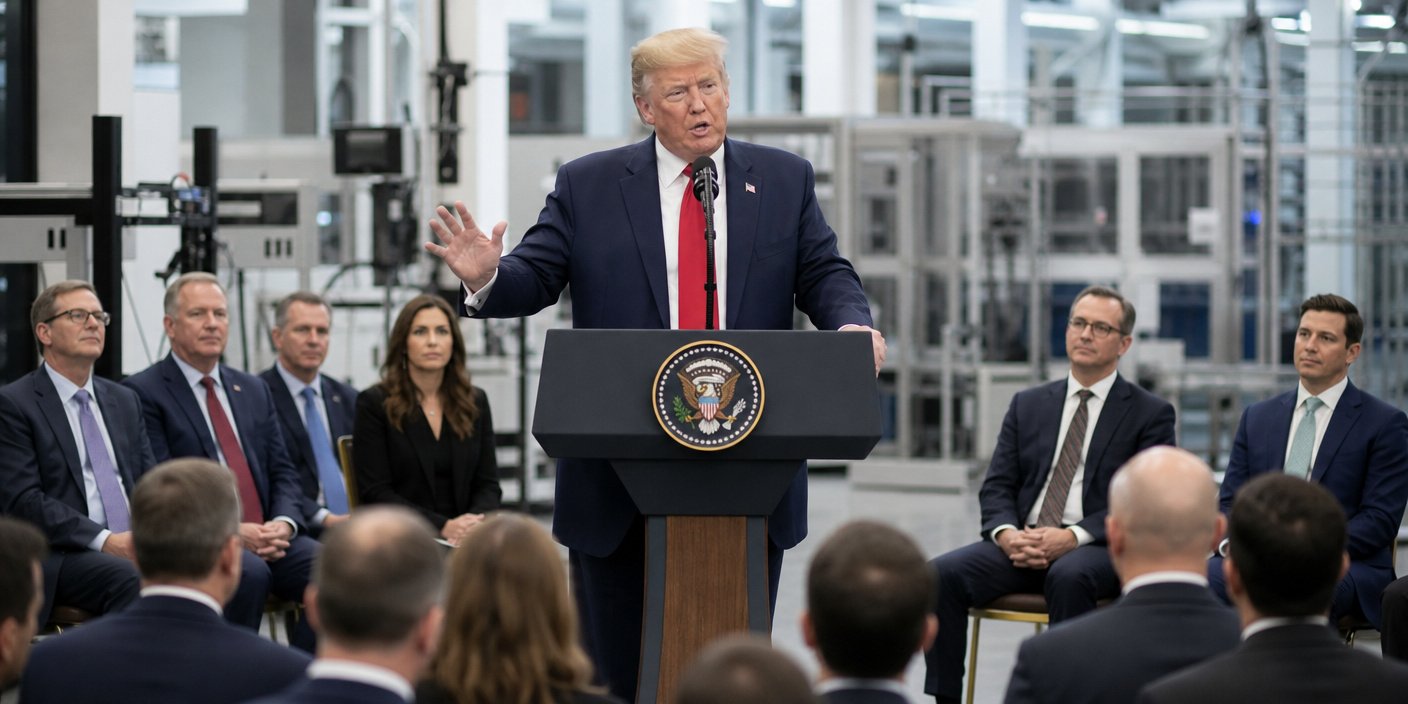
Dearborn, MI – President Donald Trump visited a Ford plant and strongly defended his Trump Tariffs Ford policies on January 13, 2026, aiming to bolster domestic manufacturing and address concerns about the national economy. The intricate relationship between the Trump Tariffs Ford administration’s trade policies and the performance of Ford, along with the broader auto sector, remains a focal point of economic discussion.
Trump Defends Economic Policy and Trump Tariffs Ford
During his tour of the Ford River Rouge complex, where he observed F-150 pickups on the assembly line, Trump engaged with workers and Bill Ford, the automaker’s executive chairman. He asserted that U.S. automakers are experiencing significant success, praising the quality of production. “All U.S. automakers are doing great,” he commented, emphasizing the perceived positive outcomes of his economic policy. The conversation at the Ford plant was notably influenced by the ongoing repercussions of these tariffs on Ford manufacturing.
Tariffs, Economic Claims, and the Trump Tariffs Ford Connection

Trump contended that his tariffs have driven “unbelievable success,” asserting that foreign nations and intermediaries are absorbing the costs. However, this perspective is contested by many economists who argue that tariffs increase prices for U.S. consumers and contribute to inflation. While some analyses suggest tariffs can negatively impact GDP and wages long-term, others highlight that actual tariff rates may be lower than initially stated due to various factors. The imposition of Trump’s tariffs has been viewed as a significant tax increase that has impacted U.S. crop exports and contributed to corporate bankruptcies. These policies have demonstrably affected average household finances, and the specific application of tariffs to the automotive industry, including Ford, has been a significant point of contention within the Trump trade policy discourse.
Auto Industry Shifts and Ford Manufacturing Challenges
Ford has recently adjusted its production strategy, pausing F-150 Lightning EV output due to sluggish demand and financial losses, and is now prioritizing hybrid vehicle development. This strategic shift is partly influenced by federal policies and the broader economic policy environment, including the uncertainty surrounding trade agreements and reduced federal support for electric vehicles. The automotive industry, acutely aware of how tariffs can disrupt global operations, is navigating these significant changes. The complex interplay between Trump Tariffs Ford and these production decisions is a critical aspect of understanding the current state of Ford manufacturing.
Ford Manufacturing Amidst Trump Tariffs
The visit to the Ford plant highlighted the persistent debate surrounding domestic manufacturing and the efficacy of trade agreements. Ford manufacturing, a vital component of the American auto industry, has been under considerable scrutiny. The ongoing discussions about the effectiveness of the Trump Tariffs Ford initiative continue, with many questioning whether the intended benefits for domestic manufacturing have been fully realized. This examination is central to understanding the broader impact of Trump trade policy on the auto sector.
Trade Agreement Views and the USMCA Pact
Trump also expressed skepticism regarding the USMCA trade pact, suggesting the U.S. does not require it. “Canada would love it,” he remarked, as the agreement approaches its review period. Some critics argue that the USMCA has not benefited American workers and that trade deficits have widened. The relationship between the USMCA pact, the overarching economic policy, and the specific impact of tariffs on Ford remains a crucial area for analysis.
Broader National Economic Policy Discussions
The visit took place against a backdrop of national economic concerns, including persistent worries about the job market and inflation. Although recent data indicated a slight easing of inflation, with decreases in gas and used car prices in December 2025, the administration’s economic policy, including its tariff strategy, has remained central to national economic discourse. The auto industry is closely watching these developments.
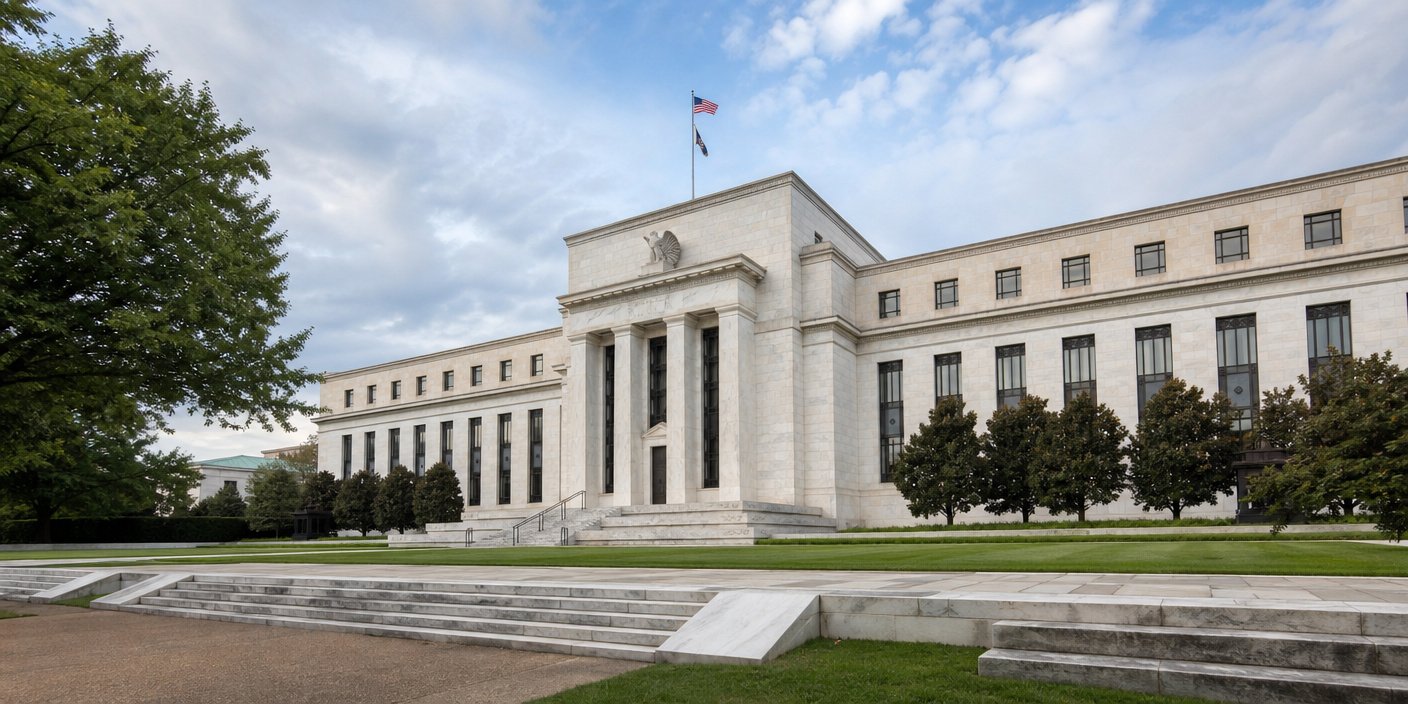
In related national news, the Justice Department’s investigation into Fed Chair Jerome Powell is ongoing, which Powell views as an attempt to undermine his independent monetary policy decisions. Trump denies directing the probe but has openly criticized Powell’s performance, adding another layer of economic uncertainty.
Ongoing Debates and the Trump Tariffs Ford Impact
Trump’s message at Ford focused on his economic agenda, intended to reassure the public regarding affordability. However, debates persist regarding the actual impacts of his policies, and the national news cycle continues to cover these complex economic discussions. His administration faces ongoing scrutiny concerning tariffs, particularly their effect on key sectors like the auto sector. The long-term consequences of policies such as the Trump Tariffs Ford initiative are still unfolding for the automotive industry. The success of Trump Tariffs Ford remains a highly debated topic, underscoring the significance of Trump trade policy for the auto sector and domestic manufacturing.