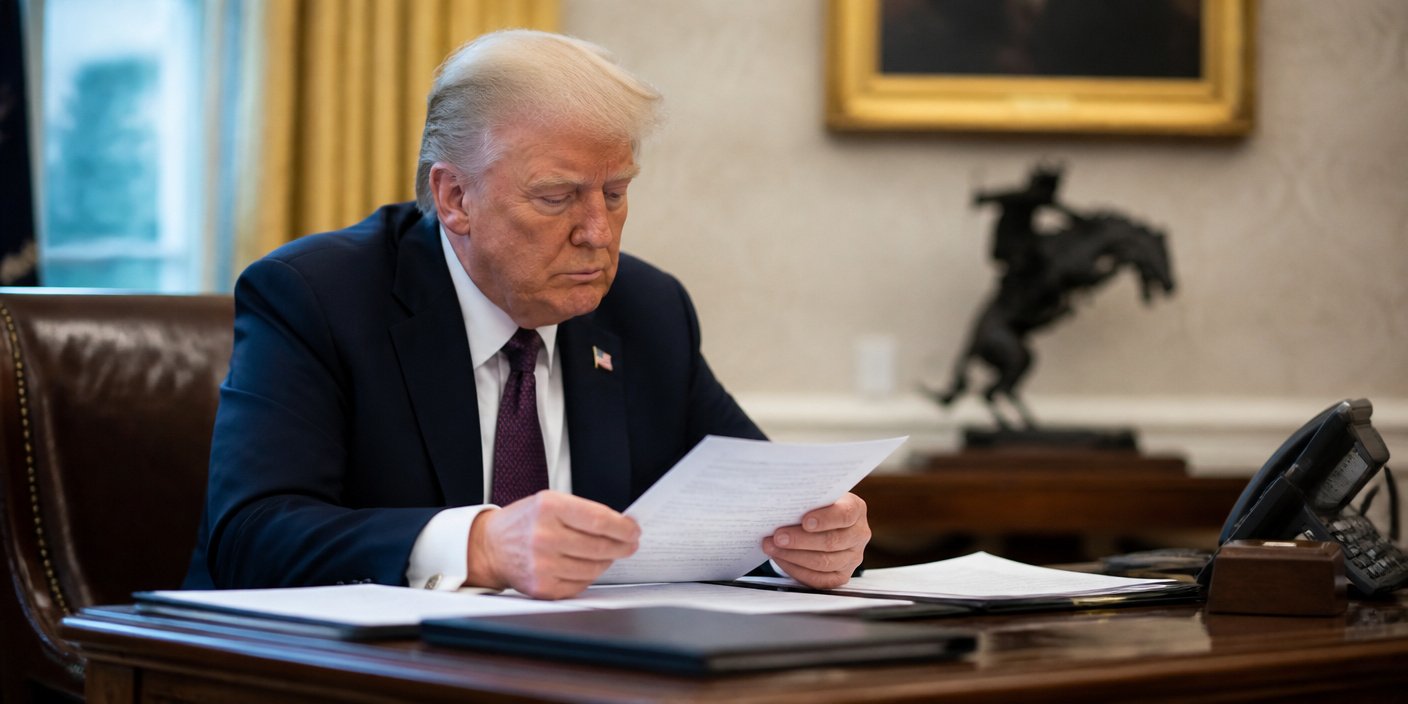
The United States issued a stern warning regarding the growing Iran Execution Crisis. President Donald Trump promised “very strong action” as reports surfaced that Iran planned to execute anti-government protesters, intensifying the grim reality of the Iran Execution Crisis. The situation remains extremely tense, highlighting the severity of the Iran Execution Crisis.
Protests and Crackdown Amid the Iran Execution Crisis
Thousands have protested nationwide. These demonstrations began on December 28, 2025. They represent a major challenge to Iran’s leaders. The crackdown has been severe. Reports indicate a high death toll. Some estimates place it over 2,500. Other sources suggest much higher numbers. This story unfolds amid deep international concern over the Iran Execution Crisis and the broader human rights Iran situation.
A Case in Point: The Iran Execution Crisis
One case highlights the crisis. Erfan Soltani, age 26, faces execution. He was arrested during protests in Karaj. Rights groups fear for his life. They warn of swift trials. Arbitrary executions might follow. Amnesty International has flagged his case. This underscores the grim reality for detainees facing the Iran Execution Crisis, a critical element of the ongoing political unrest in Iran.
Trump’s Warning and the Iran Execution Crisis


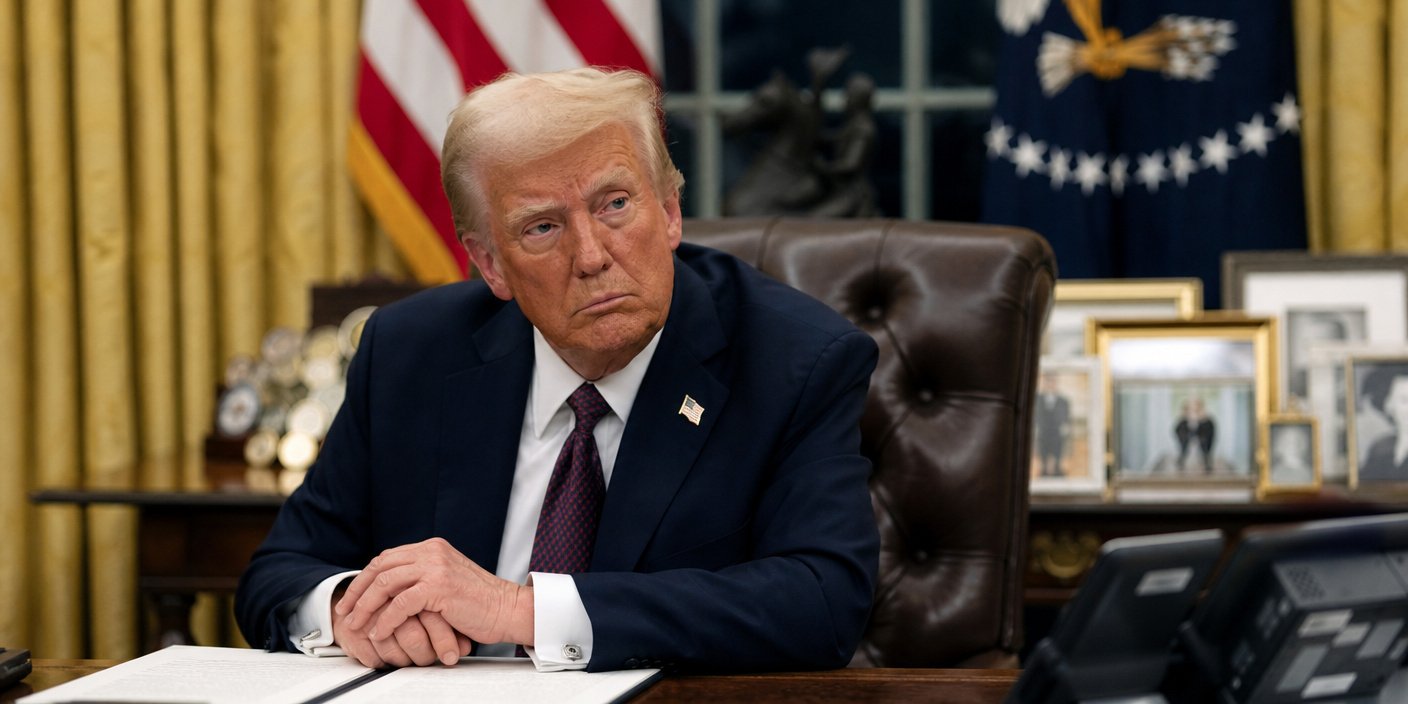
President Trump spoke out strongly. He told CBS News he would “take very strong action” if Iran began hanging protesters. He referenced past US operations. “We don’t want to see what’s happening in Iran happen,” he stated. Trump mentioned “thousands of people” killed. He added that hangings “won’t work out good.” He posted support for protesters on Truth Social. “HELP IS ON ITS WAY,” he wrote. Trump also announced he canceled meetings. He met no Iranian officials. This action continues until the killing stops, a direct response to the intensifying Iran Execution Crisis, and signals the potential for Trump strong action.
Iran’s Judiciary Action and US Iran Relations Amid the Iran Execution Crisis
Iran’s UN mission rejected Trump’s stance. They accused the US of seeking regime change. Their statement called US policy “fantasies.” It cited sanctions and engineered unrest. This is a well-worn playbook, they argued. Iran’s judiciary chief responded. Gholamhossein Mohseni-Ejei vowed fast trials. “If we want to do a job, we should do it now,” he said. He stressed the need for speed. Late trials lose their impact. This directly challenges Trump’s warning and affects US Iran relations amid the Iran Execution Crisis.
Travel Advisories Amid the Political Unrest in Iran
The US has advised its citizens to “leave Iran now.” The virtual US Embassy issued an alert. Departure by land to Armenia or Turkey was suggested. They warned of no US government assistance. Dual nationals face particular risks. Iran does not recognize dual citizenship. Showing a US passport could lead to detention, a stark reminder of the political unrest in Iran and the dangers present during the Iran Execution Crisis.
International Condemnation and Human Rights Iran
International condemnation has grown. European nations summoned Iranian ambassadors. France, Germany, and the UK expressed anger. The EU chief called the casualty numbers “horrifying.” Further sanctions are planned. Human rights groups report grave violations. These include unlawful killings. Internet shutdowns hide the extent of abuses. This pattern has occurred before. The November 2019 protests saw similar tactics. Hundreds died then. The Woman Life Freedom uprising also involved shutdowns, drawing attention to human rights Iran and the Iran Execution Crisis.
Economic Pressure and International Sanctions
Adding to the pressure, Trump enacted new measures. He announced a 25% tariff. This applies to countries doing business with Iran. The move impacts major economies. Russia and China trade with Iran. China’s foreign ministry stated its opposition. “Tariff wars have no winners,” they declared. China vowed to protect its rights. Russia also stated it would not be affected. This tariff threat risks trade tensions. It could further isolate Iran economically, impacting international sanctions Iran applies and exacerbating the Iran protests crackdown.
Historical Context of Executions and the Iran Execution Crisis
Historically, Iran has used the death penalty. Charges like “waging war against God” carry capital punishment. Thousands have been executed previously. This includes protesters from past unrest. Human rights organizations criticize these trials. They cite coercion and unfair proceedings. Many confessions are broadcast on state TV. Activists say these are forced. They often follow torture. The UN has documented rising executions. These are used to instill fear, a disturbing facet of the Iran Execution Crisis and the widespread use of the death penalty in Iran.
Geopolitical Implications and Future Actions
The “end game” for Iran is “to win,” Trump stated. He alluded to military operations. However, his exact strategy remains unclear. Analysts question a military intervention. Such action could destabilize the region. His administration has long pursued a “maximum pressure” policy. This includes sanctions. The focus is on countering Iran’s influence. Human rights were once a key part of this. Now, the situation is fluid, with the Iran Execution Crisis taking center stage.
Conclusion: A Developing Global Flashpoint
The American stance adds to global pressure. However, Iran remains defiant. Its judiciary signals continued harshness. The ongoing crackdown risks further bloodshed. The international community watches closely. The outcome remains uncertain. This Top American story highlights a critical global flashpoint. The fate of protesters hangs precariously. The broader geopolitical implications are significant. The story continues to develop rapidly, with the Iran Execution Crisis a focal point of international concern and a key driver of the Iran protests crackdown.