Skip to content
Trending
March 28, 2026Luxury & Street: How This Partnership Drives Culture June 10, 2025Federal Troop Deployment Escalates in Los Angeles Amid Anti-ICE Protests, California Challenges in Court April 7, 2026Anthropic Secures Massive TPU Compute in Broadcom-Google Deal August 2, 2025Trump Ousts Bureau of Labor Statistics Chief Over Soft Jobs Report, Citing Rigged Numbers December 9, 2025AI Revolutionizes Shopping: Personalized Experiences, New Search Rules Emerge October 30, 2025PAHO Expands Access to AI in Public Health Knowledge with New YouTube Seminar Series March 25, 2026Senate Rejects Iran War Powers Restraint March 4, 2025Wall Street Bets on Deal Surge Under Trump: Identifying Key Acquisition Targets July 23, 2025Venus Williams Announces Engagement to Actor Andrea Preti June 29, 2025G7 Nations Agree to Exempt US Multinationals from Global Minimum Tax in Landmark Deal
  • Home
  • Top Stories
  • National News
  • Health
  • Business
  • Tech & Innovation
  • Entertainment
  • Politics
  • Culture & Society
  • Crime & Justice
  • Editorial
  • Home
  • Top Stories
  • National News
  • Health
  • Business
  • Tech & Innovation
  • Entertainment
  • Politics
  • Culture & Society
  • Crime & Justice
  • Editorial
  • Blog
  • Forums
  • Shop
  • Contact
  National News  Trump’s Proposed Policies Set to Dramatically Expand US National Debt, Reports Show
National News

Trump’s Proposed Policies Set to Dramatically Expand US National Debt, Reports Show

angela Brooksangela Brooks—August 31, 20250
FacebookX TwitterPinterestLinkedInTumblrRedditVKWhatsAppEmail

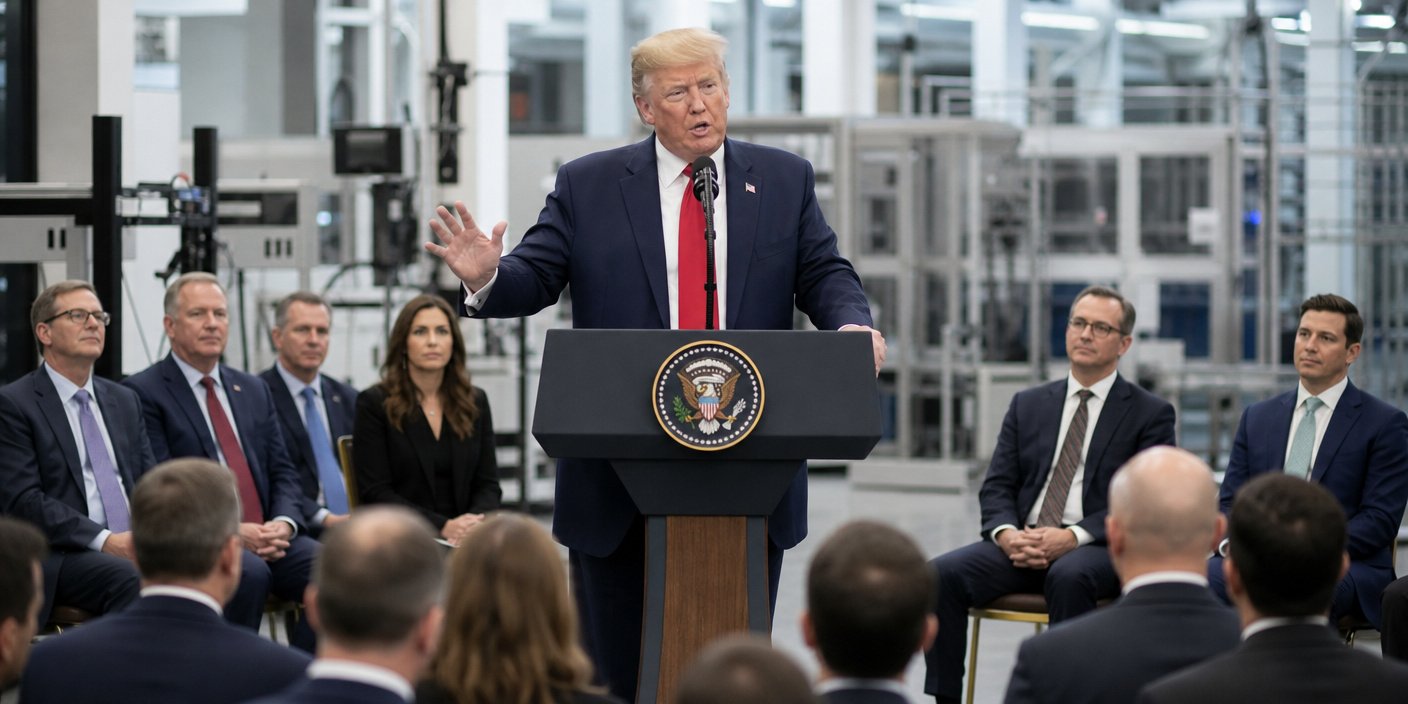
WASHINGTON D.C. – As the USA navigates a landscape of already soaring national debt, new analyses and projections indicate that proposed policies championed by former President Donald Trump could significantly inflate the nation’s fiscal burden, adding trillions to the deficit over the coming decade.

At the heart of the fiscal debate are the extensive tax cuts proposed and championed by Trump and his allies. The Congressional Budget Office (CBO) and other non-partisan fiscal watchdogs have consistently warned that making permanent the 2017 Tax Cuts and Jobs Act (TCJA), along with introducing new tax relief measures, carries a hefty price tag. Extending the TCJA alone is projected to cost upwards of $4 trillion over ten years, according to various analyses, with some estimates reaching as high as $5.5 trillion or more if all provisions are made permanent.

The Expanding Footprint of Tax Cuts

More stories

Markets Rally as Trump Pauses Most Tariffs for 90 Days, Hits China With Staggering 145% Levy Amid Volatility

April 10, 2025

Trump Halts Canada Trade Talks Over ‘Egregious’ Digital Services Tax

June 28, 2025

US Tariff Fallout: India’s GDP Impact Capped at 0.1%, PHDCCI Reports

April 13, 2025

US Air Force to Withhold Early Retirement Benefits from Transgender Service Members

August 8, 2025

The original 2017 tax cuts, which significantly reduced corporate and individual income tax rates, are estimated to have added approximately $1.9 trillion to the deficit over a decade on a conventional scoring basis, according to CBO figures from 2018. More recent analyses suggest that extending these measures could cost even more, with figures ranging from $3.8 trillion to $4.6 trillion over the next ten years. The Tax Foundation, a non-partisan think tank, estimates that making the individual provisions of the TCJA permanent could reduce federal revenue by $3.4 trillion over the decade.

The legislative package often referred to as the “One Big Beautiful Bill” (OBBB), a cornerstone of Trump’s economic agenda, further intensifies these projections. This bill aims to extend expiring tax provisions and introduce new tax breaks, such as eliminating taxes on tips and overtime pay. CBO analyses project that this legislation could add between $2.4 trillion and $3.8 trillion to the federal deficit over the next decade. The Committee for a Responsible Federal Budget (CRFB) offers a more expansive view, estimating that Trump’s overall campaign plans could increase the national debt by $7.75 trillion over the FY 2026-2035 period under a central estimate, with a wide range of potential impacts.

Economic Growth Promises Face Fiscal Reality

Proponents argue that these tax cuts and deregulation measures are designed to spur robust economic growth, which in turn would increase tax revenues and help manage the national debt. The White House Council of Economic Advisers (CEA) has asserted that Trump’s pro-growth policies could reduce the debt-to-GDP ratio. However, independent analyses from bodies like the Tax Policy Center and the CRFB suggest that the economic impact of the 2017 tax cuts was limited, disproportionately benefiting corporations and higher-income households without generating sufficient revenue to offset the initial cost. Critics contend that the projected revenue gains often fail to materialize, leaving the USA with higher deficits and a ballooning national debt.

Tariffs and the Debt Ceiling

While the Trump administration also implemented tariffs, which generated additional revenue, their impact on the national debt was marginal compared to the scale of tax cuts and spending. CBO estimates suggest that maintaining current tariff levels could reduce deficits by up to $4 trillion over a decade through increased revenue and lower interest payments. However, these tariffs are also taxes that can increase costs for consumers and businesses, potentially impacting economic activity.

The national debt itself has already surged significantly. During Trump’s term, the national debt increased by approximately $7.8 trillion, a rise of 39%, bringing the total to roughly $27.75 trillion by the end of his presidency. The national debt currently stands at approximately $37 trillion, with projections indicating a debt-to-GDP ratio that could exceed 120% by 2035, a level not seen since the aftermath of World War II.

A Looming Fiscal Challenge

The implications of these projected increases in national debt are significant. Higher debt levels lead to increased interest payments, consuming a larger portion of the federal budget and potentially crowding out investments in critical public services. Moreover, sustained high debt can exert upward pressure on interest rates across the economy, impacting everything from mortgages to business loans, and could slow long-term economic growth. The news cycle continues to track these crucial fiscal developments as policy debates unfold.
author avatar
angela Brooks
Angela Brooks brings over 12 years of experience in financial journalism to the USA Sentinel team. Specializing in energy markets and global economic shifts, she provides in-depth analysis of how international conflicts and sanctions influence domestic inflation and fuel prices. Angela’s expertise in macroeconomic trends ensures that Sentinel readers receive sophisticated, forward-looking financial reporting.
See Full Bio
FacebookX TwitterPinterestLinkedInTumblrRedditVKWhatsAppEmail

angela BrooksEconomic & Global Markets Editor / USA Sentinel

Angela Brooks brings over 12 years of experience in financial journalism to the USA Sentinel team. Specializing in energy markets and global economic shifts, she provides in-depth analysis of how international conflicts and sanctions influence domestic inflation and fuel prices. Angela’s expertise in macroeconomic trends ensures that Sentinel readers receive sophisticated, forward-looking financial reporting.

Top World News: Jakarta Unrest Sends Indonesian Stocks and Rupiah Tumbling Amidst Growing Public Anger
Dragon and Elephant Reconnect: India-China Direct Flights to Resume After Five-Year Hiatus, Boosting Business and Travel
Related posts
  • Related posts
  • More from author
National News

GOP Senators Demand Iran Deal Input

June 17, 20260
National News

G7 Summit Kicks Off Amid Global Turmoil

June 16, 20260
National News

Trump Halts Iran Strikes Amid Peace Talk Progress

June 12, 20260
Load more
Read also
Politics

US-Iran Deal Looms: Financials Hint at Breakthrough

June 17, 20260
Editorial

US Strike Kills Suspect on Drug Boat, 2 Survivors Found

June 17, 20260
National News

GOP Senators Demand Iran Deal Input

June 17, 20260
Top Stories

US & Iran Near Historic Peace Deal, Strait of Hormuz Set to Reopen

June 16, 20260
Tech & Innovation

SoftBank Taps OpenAI for Cybersecurity Leap

June 16, 20260
Politics

Trump’s G7 Arrival: Iran Deal & Ukraine Focus

June 16, 20260
Load more

Recent Posts

  • US-Iran Deal Looms: Financials Hint at Breakthrough
  • US Strike Kills Suspect on Drug Boat, 2 Survivors Found
  • GOP Senators Demand Iran Deal Input
  • US & Iran Near Historic Peace Deal, Strait of Hormuz Set to Reopen
  • SoftBank Taps OpenAI for Cybersecurity Leap

Recent Comments

No comments to show.
Social networks
FacebookLikes
X TwitterFollowers
PinterestFollowers
InstagramFollowers
YoutubeSubscribers
VimeoSubscribers
Popular categories
  • Top Stories568
  • National News314
  • Editorial283
  • Politics268
  • Business267
  • Crime & Justice246
  • Entertainment244
  • Health210
  • Tech & Innovation201
  • Culture & Society197
  • Uncategorized2

US-Iran Deal Looms: Financials Hint at Breakthrough

June 17, 2026

US Strike Kills Suspect on Drug Boat, 2 Survivors Found

June 17, 2026

GOP Senators Demand Iran Deal Input

June 17, 2026

US & Iran Near Historic Peace Deal, Strait of Hormuz Set to Reopen

June 16, 2026

SoftBank Taps OpenAI for Cybersecurity Leap

June 16, 2026

Awards Season Culminates: Previewing the 97th Academy Awards and Weekend Entertainment Options

4534 Comments

S&P 500 Nears Record as Nasdaq Hits Three-Week High; Major Indexes Post Strong Weekly Gains on February 14, 2025

779 Comments

Google Introduces Premium AI Ultra Subscription Globally: Advanced Capabilities and Pricing Details Emerge

771 Comments

Trump Rallies GOP on Capitol Hill Amidst Doubt for Sweeping Domestic Policy Bill

582 Comments

Future of Telecom: How AI and 5G Convergence is Driving Innovation

542 Comments
    © Copyright 2025, All Rights Reserved
    • About
    • Privacy
    • Contact