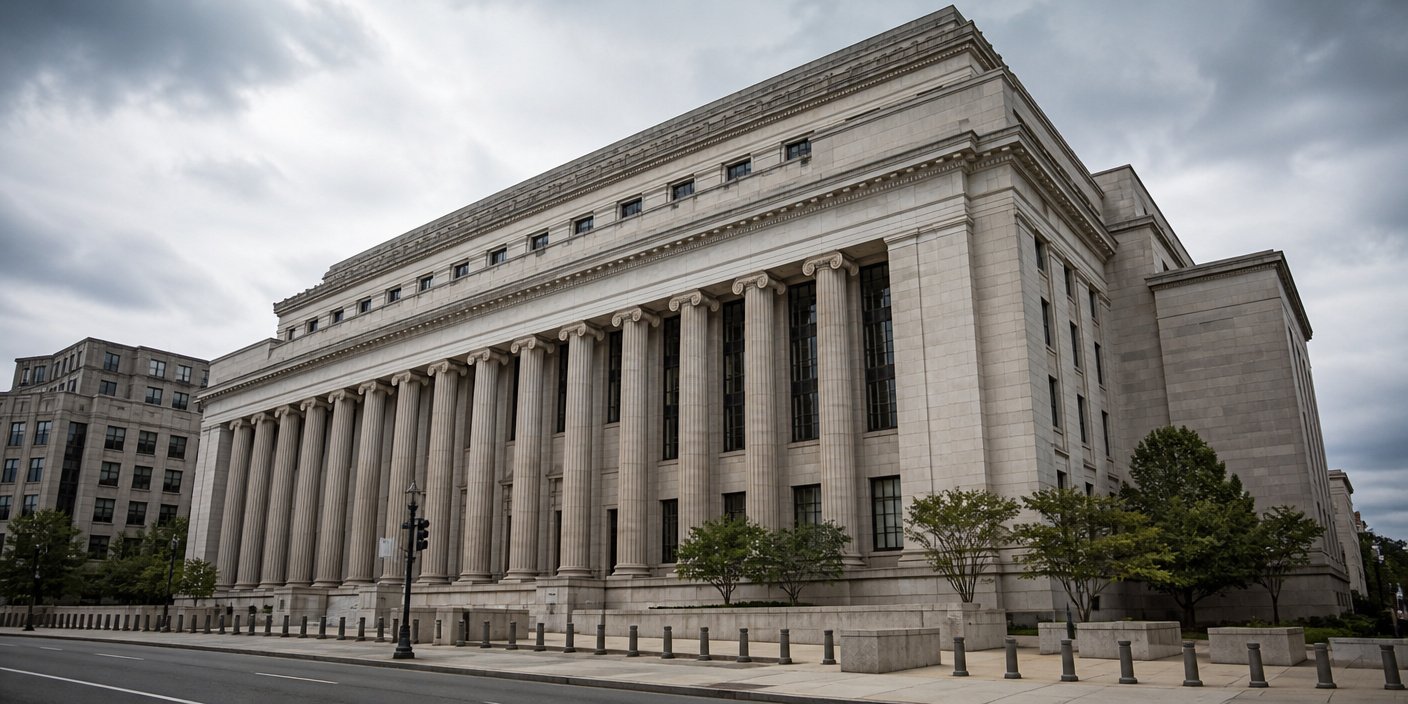
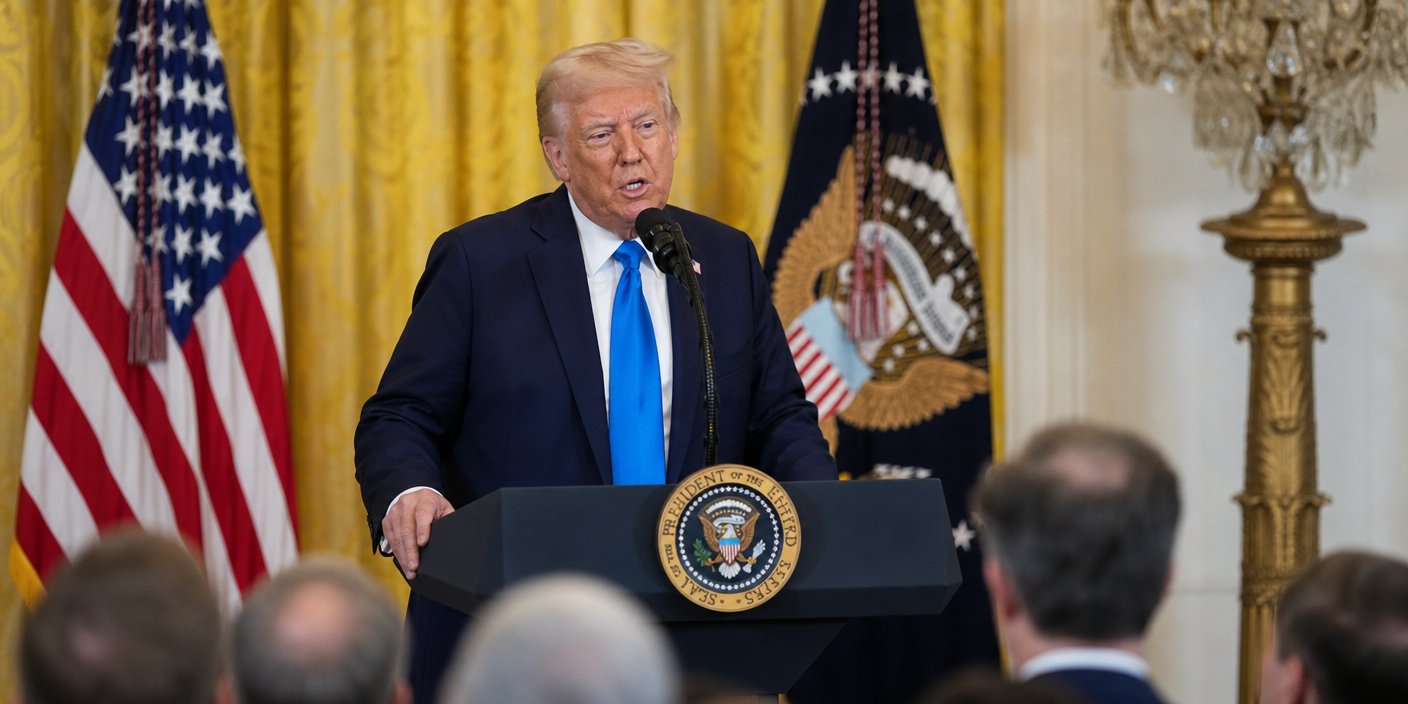
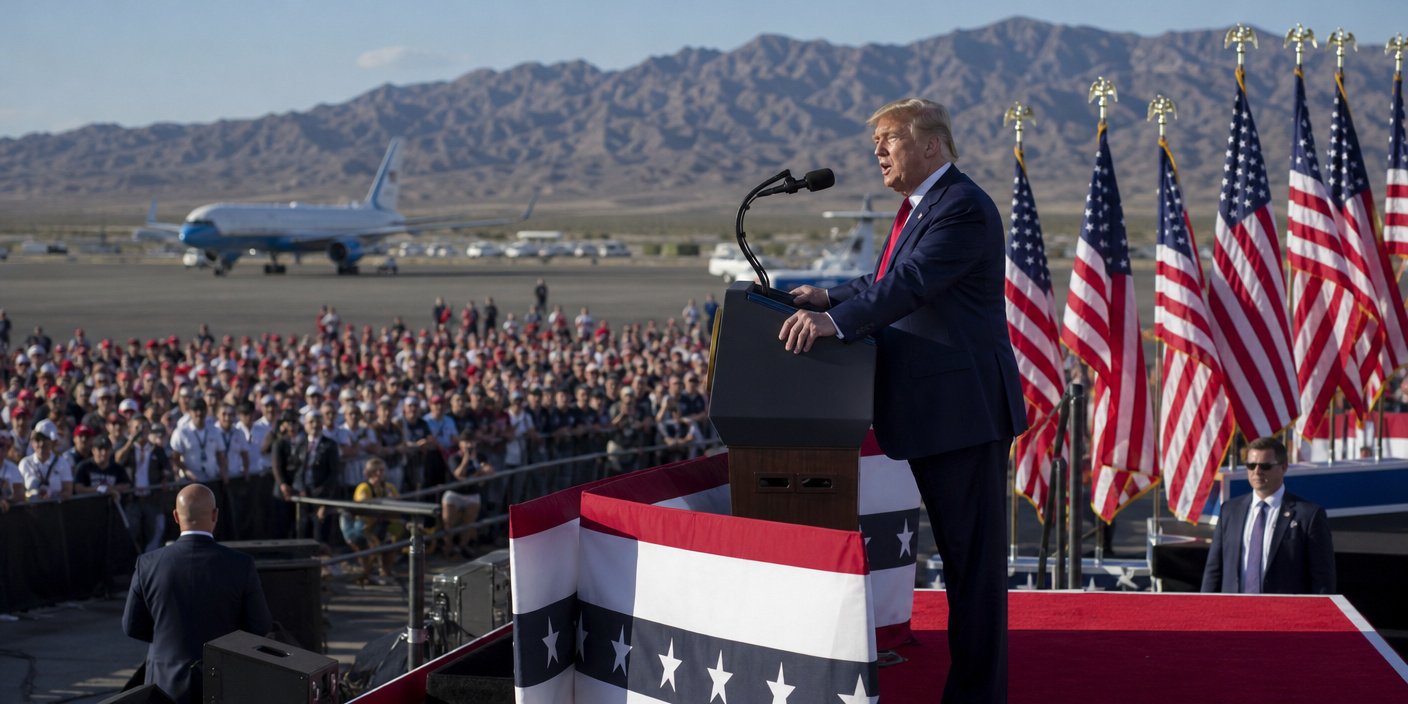
The Trump administration has officially initiated a high-stakes legal challenge against the State of California, aiming to secure an emergency injunction to block the counting of specific mail-in ballots ahead of the impending midterm elections. The litigation, filed in federal court, centers on allegations that California’s current election administration protocols are insufficient to prevent noncitizens from casting ballots, thereby potentially diluting the votes of legal U.S. citizens. This move marks a significant escalation in the ongoing national debate regarding election integrity, specifically targeting the expansion of mail-in voting systems adopted by various states.
The Core of the Legal Challenge
The central claim of the lawsuit asserts that California officials have failed to implement rigorous enough verification mechanisms to ensure that every ballot cast by mail is submitted by a registered, eligible voter. According to the court filings, the Trump administration’s legal team argues that the lack of real-time, comprehensive cross-checking of voter rolls against federal citizenship databases creates a ‘critical vulnerability’ in the electoral process. The administration contends that this systemic oversight violates constitutional standards for election fairness.
The lawsuit specifically requests that the court intervene to pause the tabulation of mail-in ballots until an independent audit of voter rolls can be conducted. This audit would allegedly focus on identifying individuals who may be on the voter rolls but lack documentation of U.S. citizenship. The administration’s lawyers point to Section 7 of the National Voter Registration Act (NVRA) and the Help America Vote Act (HAVA) as legal leverage, arguing that states are obligated to maintain accurate, up-to-date voter registration lists—a duty they claim California has neglected in the pursuit of mass mail-in voting accessibility.
Constitutional Conflict: Federal Authority vs. State Sovereignty
This legal battle sets the stage for a profound constitutional clash between federal oversight and state-level sovereignty. Under the United States Constitution, states maintain primary authority over the ‘Times, Places and Manner’ of holding elections, as established in Article I, Section 4. However, the federal government has historically asserted its role in setting baseline standards for federal elections, particularly regarding voter eligibility and the prevention of discrimination.
Legal experts suggest that the Trump administration faces a steep uphill battle in court. Establishing a nationwide or even statewide injunction based on allegations of noncitizen voting requires substantial, concrete evidence of systemic fraud, rather than theoretical concerns or isolated incidents. California’s legal counsel is expected to defend the state’s procedures, arguing that existing safeguards—such as signature verification and randomized ballot audits—are both robust and fully compliant with federal law. The state’s position is likely to emphasize that any federal interference at this late stage would create ‘irreparable harm’ to the democratic process by disenfranchising hundreds of thousands of legitimate voters whose ballots would remain in limbo.
Impact on the Midterm Elections
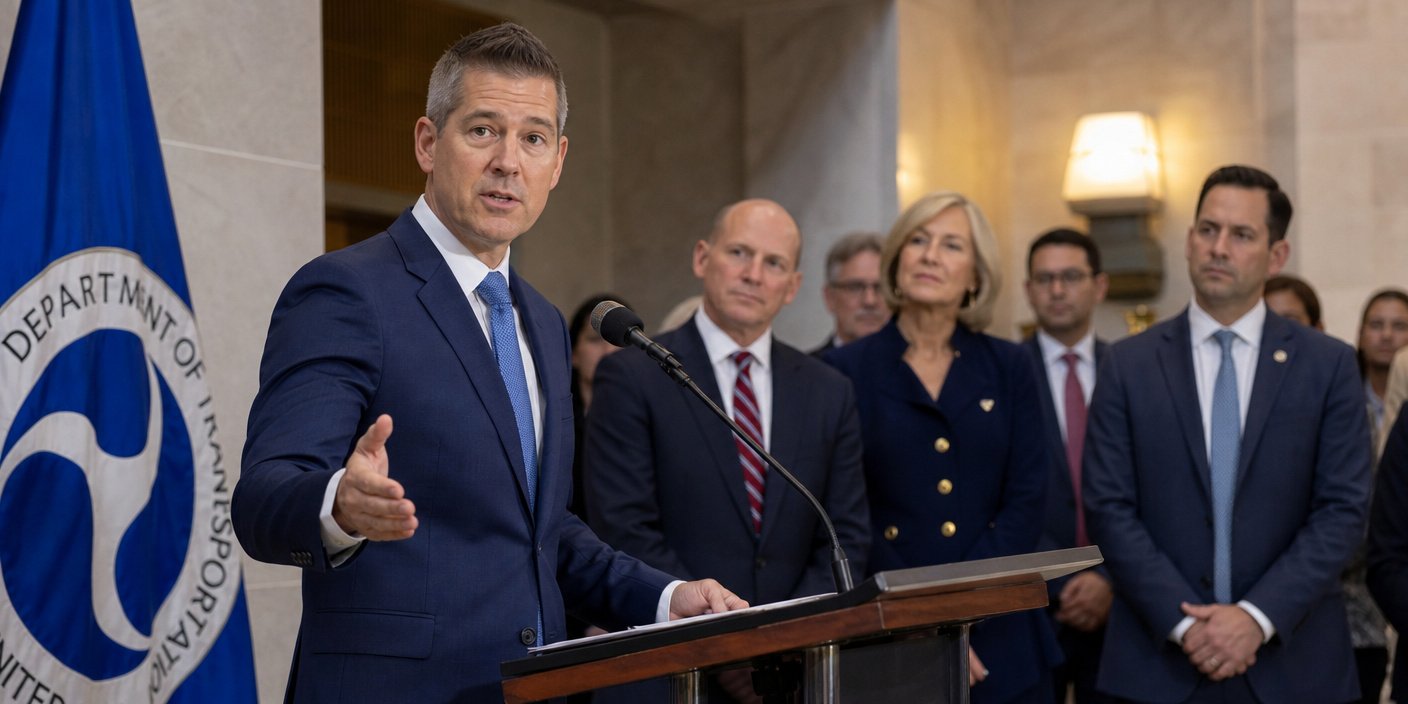


Beyond the courtroom, the ripple effects of this lawsuit are being felt across the political landscape. The timing of the filing is critical; with midterm elections looming, the uncertainty cast over the voting process could lead to significant logistical challenges. If a federal judge were to grant even a temporary stay on counting, it could delay election results by days or weeks, potentially triggering a crisis of confidence in the outcome.
From a voter-access perspective, the lawsuit has drawn fierce criticism from voting rights organizations, who argue that it is a tactical move designed to suppress turnout among minority communities and low-income voters. Conversely, supporters of the administration’s initiative maintain that this is a necessary ‘last line of defense’ to ensure that every vote cast is legal. The tension underscores a deep partisan divide: one side prioritizing maximum ballot accessibility as the hallmark of a healthy democracy, and the other prioritizing strict identity verification as the prerequisite for election security.
Secondary Angles: Examining the Broader Context
1. The Evolution of Voter Roll Maintenance: A critical, often overlooked aspect of this conflict is the technological capacity for voter roll maintenance. Federal law mandates that states keep rolls clean, but states often face hurdles in accessing federal immigration databases to verify citizenship status in real-time. This lawsuit highlights the growing friction between state election systems and the fragmented nature of federal record-keeping.
2. The Weaponization of Election Administration: Political analysts note that this lawsuit mirrors a broader trend where election administration—once considered a boring, clerical task—has become the primary front line of political warfare. The outcome of this case may set a precedent for how future administrations use litigation to contest procedural ‘manner’ aspects of state elections.
3. Psychological Impact on Voter Confidence: Regardless of the legal outcome, the mere existence of this lawsuit contributes to a growing skepticism among the electorate. By framing mail-in ballots as inherently susceptible to fraud, the administration’s actions influence the public’s perception of election results, potentially reducing trust in democratic institutions long before the final vote is tallied.
FAQ: People Also Ask
Q: What is the primary legal mechanism the administration is using to block these ballots?
A: The lawsuit relies heavily on the National Voter Registration Act (NVRA) and the Help America Vote Act (HAVA), arguing that California has failed to adequately maintain clean voter rolls and verify citizenship status, thus violating federal election mandates.
Q: Has the court issued a stay on counting ballots yet?
A: As of the latest update, the court has not issued a stay. The request for an emergency injunction is currently pending, and California officials are actively preparing their defense to prevent any interruption in the tabulation process.
Q: What specific evidence has been provided regarding noncitizen voting?
A: The administration’s filing cites statistical anomalies and concerns regarding the speed of registration updates, though concrete evidence of widespread, systematic noncitizen voting has yet to be presented in court as part of this specific motion.
Q: How does this affect voters who have already mailed in their ballots?
A: If the court were to grant an injunction, voters who have already cast ballots could see their votes placed in a pending status, potentially requiring additional verification steps before they are counted, which could lead to significant delays in final vote totals.