The atmosphere inside Radio City Music Hall was nothing short of electric as blues icon Buddy Guy took to the stage to mark his 90th birthday. In a career-defining three-hour performance titled ‘Buddy’s Got the Blues,’ the legendary guitarist reminded a sold-out audience exactly why he remains the torchbearer of the Chicago blues sound. From the opening chord to the final crescendo, the evening was a masterclass in musical endurance and cultural significance.
Key Highlights
- Landmark Celebration: Buddy Guy performed a sprawling, three-hour set to a sold-out crowd at New York City’s historic Radio City Music Hall to commemorate his 90th birthday.
- Star-Studded Collaborations: The show featured guest appearances by guitar virtuoso John Mayer and the powerhouse duo Susan Tedeschi and Derek Trucks, underscoring the deep influence Guy has had on generations of musicians.
- Musical Direction: The ensemble was expertly backed by a band led by the renowned producer and drummer Steve Jordan, ensuring the production matched the gravity of the occasion.
A Midnight Blues Symphony at Radio City
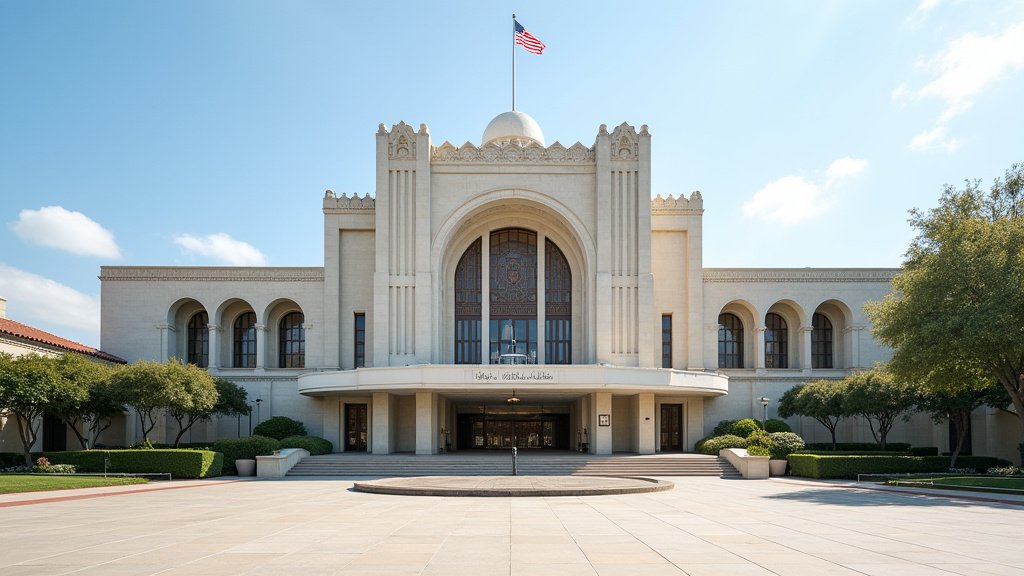
The choice of Radio City Music Hall for such a momentous birthday was no accident. For a musician who cut his teeth in the gritty clubs of Chicago’s South Side, playing the Art Deco masterpiece of Radio City represents the zenith of a journey that began in the cotton fields of Louisiana. The show, ‘Buddy’s Got the Blues,’ was less of a birthday party and more of a grand survey of the genre’s capacity for raw, emotional expression.
The Art of the Collaboration
Central to the success of the night was the roster of guests, each representing a different facet of Guy’s legacy. John Mayer, long an outspoken acolyte of Guy’s stinging, treble-heavy Stratocaster tone, joined the icon for a series of duets that highlighted the symbiotic relationship between mentor and student. The interplay between Mayer’s technical precision and Guy’s unpredictable, aggressive phrasing provided the evening’s highest energy points.
Equally compelling were Susan Tedeschi and Derek Trucks. Their presence brought a soulful, gospel-tinged depth to the stage. When Trucks engaged in slide guitar duels with Guy, the hall felt transformed, bridge-building between the delta blues of the past and the expansive, improvisational rock-blues of today. It was a tangible passing of the torch, orchestrated with humility and grace by Guy himself.
The Steve Jordan Factor

Behind the frontline talent, the backing band led by Steve Jordan provided a rock-solid foundation. Jordan, known for his work with Keith Richards and the X-Pensive Winos, brought a tightness and rhythmic sophistication that kept the marathon three-hour set from ever feeling stagnant. His direction allowed Guy the freedom to drift, solo, and improvise, knowing the rhythm section would catch him every time he wandered away from the standard arrangement. The production quality was pristine, ensuring that the nuances of Guy’s playing—the softest whispers and the loudest, most distorted shrieks—were captured with clarity throughout the cavernous hall.
Historical Context: The Last of the Titans
Buddy Guy stands as one of the last living links to the post-war Chicago blues era. He was there when Muddy Waters and Howlin’ Wolf were defining the sound that would eventually birth rock and roll. To witness him at 90, still commanding a massive venue, offers a unique perspective on the resilience of American music. While many artists of his generation have long since retired, Guy continues to tour and record, treating the blues not as a historical artifact, but as a living, breathing language.
Economic and Cultural Impact
Events of this magnitude at Radio City do more than just celebrate an individual; they generate significant economic ripples. Concerts of this scale drive tourism in New York City, filling hotels and restaurants in the Rockefeller Center vicinity. Furthermore, they reinforce New York’s status as a primary destination for high-tier legacy acts. Culturally, the sell-out success of ‘Buddy’s Got the Blues’ proves that there is still a massive, hungry audience for authentic, guitar-driven music, challenging the narrative that younger generations have turned their backs on traditional blues.
Future Predictions
Looking ahead, this performance likely serves as a blueprint for how legacy acts can celebrate major milestones. By bridging the gap between historical importance and contemporary relevance—facilitated by the younger guest artists—Guy has ensured his music will continue to be studied and emulated long after he steps away from the stage. We expect to see more of these ‘passing the torch’ events in the future, as the remaining legends of 20th-century music look to solidify their influence on the next generation of players.
FAQ: People Also Ask
How long did Buddy Guy’s 90th birthday concert last?
The concert was a marathon three-hour performance, showcasing a diverse setlist that spanned his decades-long career.
Who were the key musical guests at the Radio City show?
The show featured high-profile performances from guitarists John Mayer and Derek Trucks, alongside vocalist Susan Tedeschi.
Who served as the bandleader for the event?
The backing ensemble was led by the acclaimed drummer and producer Steve Jordan.
Where was the concert held?
The event took place at the iconic Radio City Music Hall in New York City.