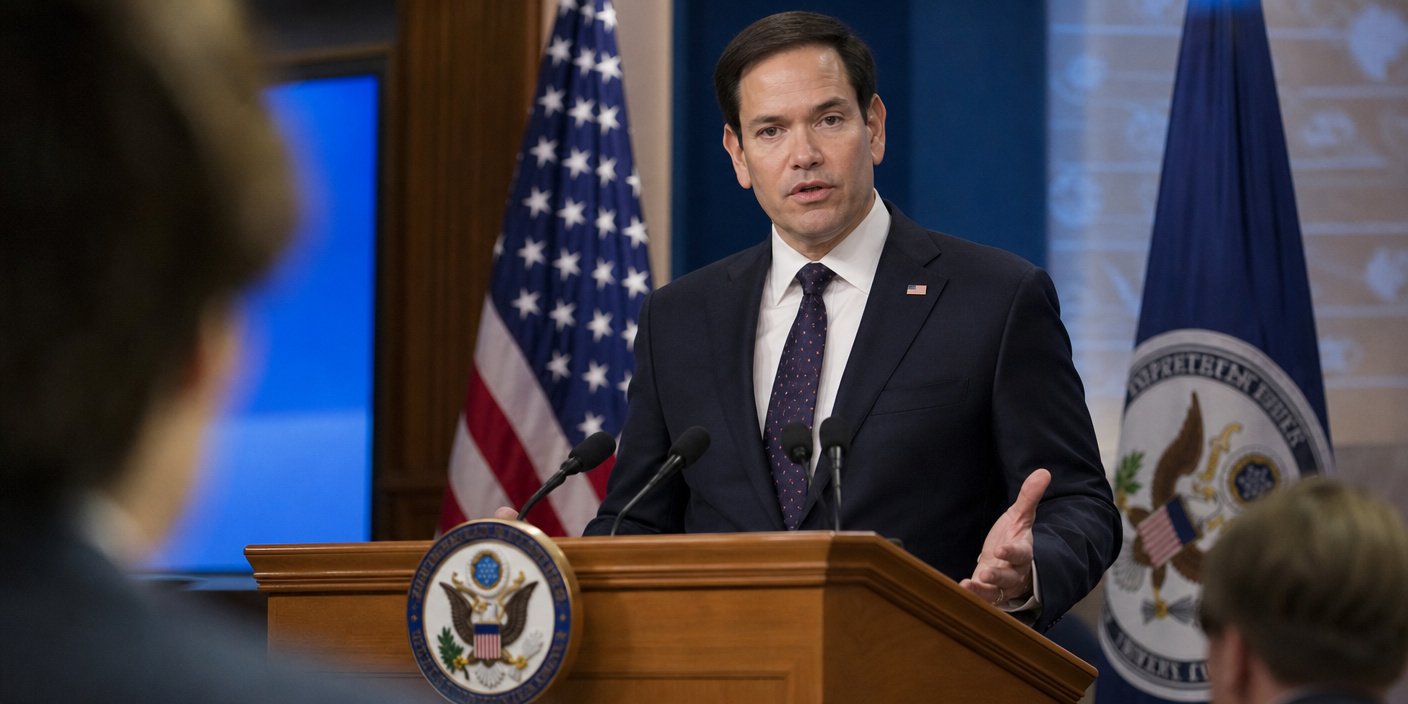
Washington D.C. – In a definitive statement that positions him at odds with Israeli Prime Minister Benjamin Netanyahu’s government, United States President Donald Trump declared on September 26, 2025, that he “will not allow” Israel to annex the occupied West Bank. The President’s firm stance, articulated to reporters, comes amidst escalating regional tensions and ahead of Prime Minister Netanyahu’s address at the United Nations General Assembly.
Trump’s Unambiguous Stance



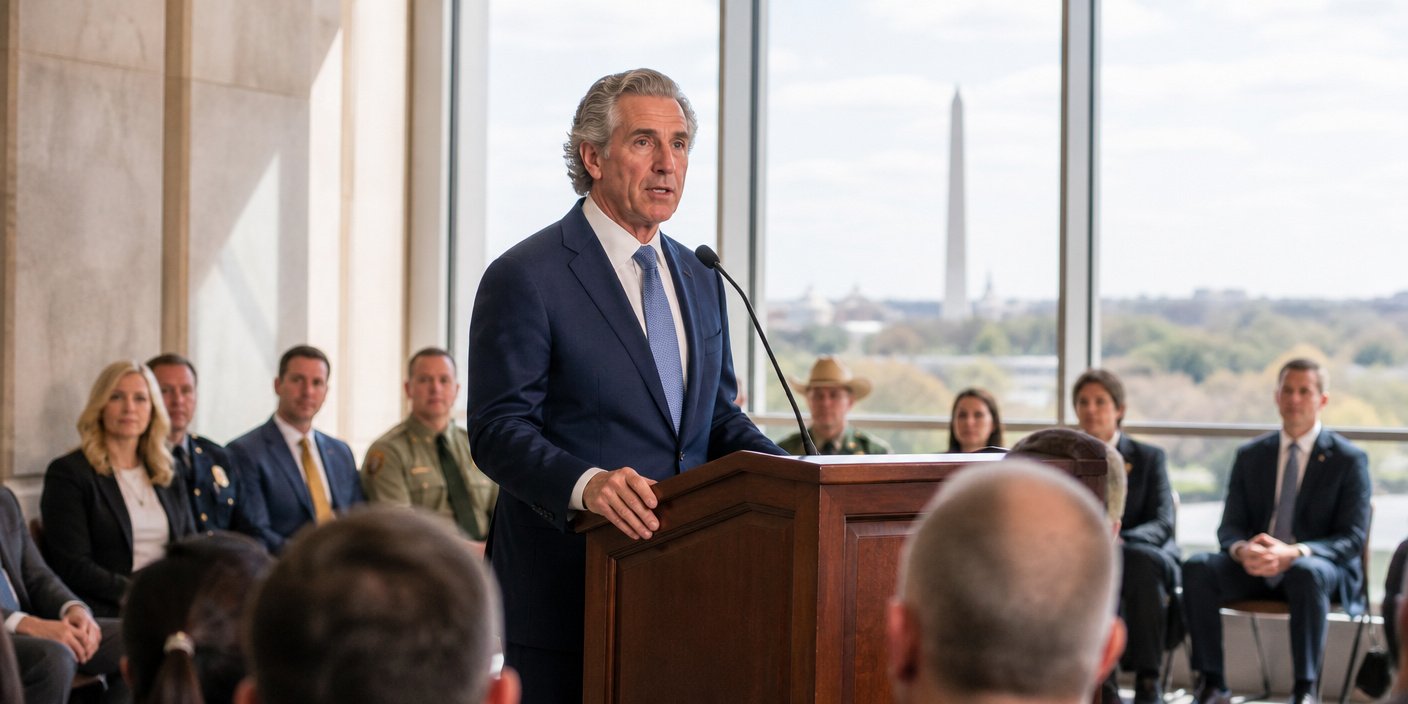
“I will not allow Israel to annex the West Bank. Nope. I will not allow. It’s not gonna happen,” President Trump stated unequivocally. When pressed on whether he had discussed this position with Prime Minister Netanyahu, Trump was non-committal, emphasizing, “Whether I spoke to him or not, I’m not allowing Israel to annex the West Bank. There’s been enough. It’s time to stop now.” While Trump did not detail specific actions the U.S. would take to enforce this directive, his pronouncement marks a significant intervention in a long-standing Israeli political objective.
The Context of Annexation Ambitions
The push for annexation by elements within the Israeli government has intensified, with far-right leaders advocating for extending Israeli sovereignty over parts of the West Bank. This movement has seen significant developments, including a non-binding motion in the Knesset in July 2025 calling for annexation. The International Court of Justice had previously ruled in July 2024 that Israeli settlements in the occupied West Bank are illegal and must be discontinued. Historically, the Trump administration itself had shifted U.S. policy in November 2019, stating that settlements were “not per se inconsistent with international law,” a move that reversed a long-standing finding from the Carter administration. The Biden administration had later reinstated the finding that settlements are “illegitimate” under international law, a stance that the current Trump administration now appears to be re-emphasizing.
International Pressure and Arab Leaders’ Warnings
President Trump’s declaration arrives after meetings with leaders from Saudi Arabia, the United Arab Emirates, Qatar, Egypt, Jordan, Turkey, Indonesia, and Pakistan on the sidelines of the UN General Assembly. These Arab and Muslim nations had presented Trump with a clear warning, emphasizing the “grave consequences” of any annexation. Saudi Arabia’s Foreign Minister, Prince Faisal bin Farhan Al-Saud, stated that the U.S. President “understands very well” these concerns, highlighting annexation as a “red line” for the region and a threat to regional stability and potential normalization agreements.
Implications for Netanyahu and Regional Diplomacy
Trump’s opposition to annexation could have significant political repercussions for Prime Minister Netanyahu, particularly within his governing coalition, which includes strong proponents of annexation. Analysts suggest that while Trump’s stance might provide Netanyahu with an external constraint against far-right pressure, it also highlights Israel’s reliance on U.S. policy. The move is seen by some as preserving the prospects for a two-state solution, a cornerstone of international diplomatic efforts, which many fear annexation would permanently extinguish. The UAE had previously warned that Israeli annexation could lead to their withdrawal from the Abraham Accords, a key foreign policy achievement for Trump. This development is part of a complex web of trending geopolitical stories shaping American foreign policy in the Middle East.
A Broader Peace Initiative
President Trump’s firm stance on annexation comes as his administration is actively promoting a 21-point peace plan aimed at ending the ongoing conflict in Gaza and fostering regional stability. U.S. Special Envoy Steve Witkoff has described the plan as addressing concerns for both Israeli and neighboring countries, expressing confidence in achieving a breakthrough. This comprehensive approach, which includes provisions for a transitional administration in Gaza and links between the West Bank and Gaza, is part of Trump’s broader strategy to reshape the region’s political landscape.
The President’s clear rejection of West Bank annexation, while praised by some international observers and Arab leaders, adds another layer of complexity to an already volatile region. The long-term impact of this declaration, and whether it signifies a lasting shift in American policy or a temporary maneuver, remains a subject of keen observation among political analysts and observers of these critical stories.