In a decisive move to uphold electoral integrity, the Department of Justice (DOJ) has launched a nationwide enforcement operation, securing charges and guilty pleas against 12 individuals accused of various election-related crimes. This coordinated effort marks a significant escalation in federal oversight, sending a clear message that the U.S. government remains vigilant in prosecuting attempts to subvert or interfere with the democratic process. The actions span multiple jurisdictions across the country, highlighting that election security is a national priority that transcends local boundaries.
Key Highlights
- Nationwide Scope: Charges and guilty pleas involve 12 distinct individuals, underscoring the DOJ’s commitment to addressing election crimes in various states.
- Federal Enforcement: The crackdown leverages federal investigative resources to combat threats ranging from voter intimidation to fraudulent activity.
- Legal Consequences: These prosecutions serve as a deterrent, illustrating that election-related crimes carry severe legal repercussions and federal oversight.
- Protecting Democracy: The initiative forms part of a broader strategy by the Department of Justice to safeguard the sanctity of the ballot box and maintain public trust in the electoral system.
The Federal Mandate on Election Integrity
The recent announcement by the U.S. Department of Justice represents more than just a series of isolated legal actions; it is a structural reinforcement of the nation’s electoral safeguards. By successfully securing guilty pleas and filing formal charges against these 12 individuals, federal prosecutors are signaling a shift toward more proactive enforcement. The DOJ, through its Criminal Division and in coordination with regional U.S. Attorneys’ Offices, has systematically dismantled activities that threaten the fair administration of elections.
The Role of the Election Threats Task Force
Central to these operations is the Election Threats Task Force, an entity established to address the rising tide of threats against election officials, poll workers, and the electoral infrastructure itself. This task force does not operate in a vacuum; it collaborates closely with the Federal Bureau of Investigation (FBI) and local law enforcement to ensure that information sharing is seamless. The 12 individuals charged in this recent sweep were identified through rigorous forensic investigation, proving that the digital and physical footprint of those attempting to commit election crimes is increasingly difficult to hide from federal scrutiny.
Defining Election Crimes Under Federal Law
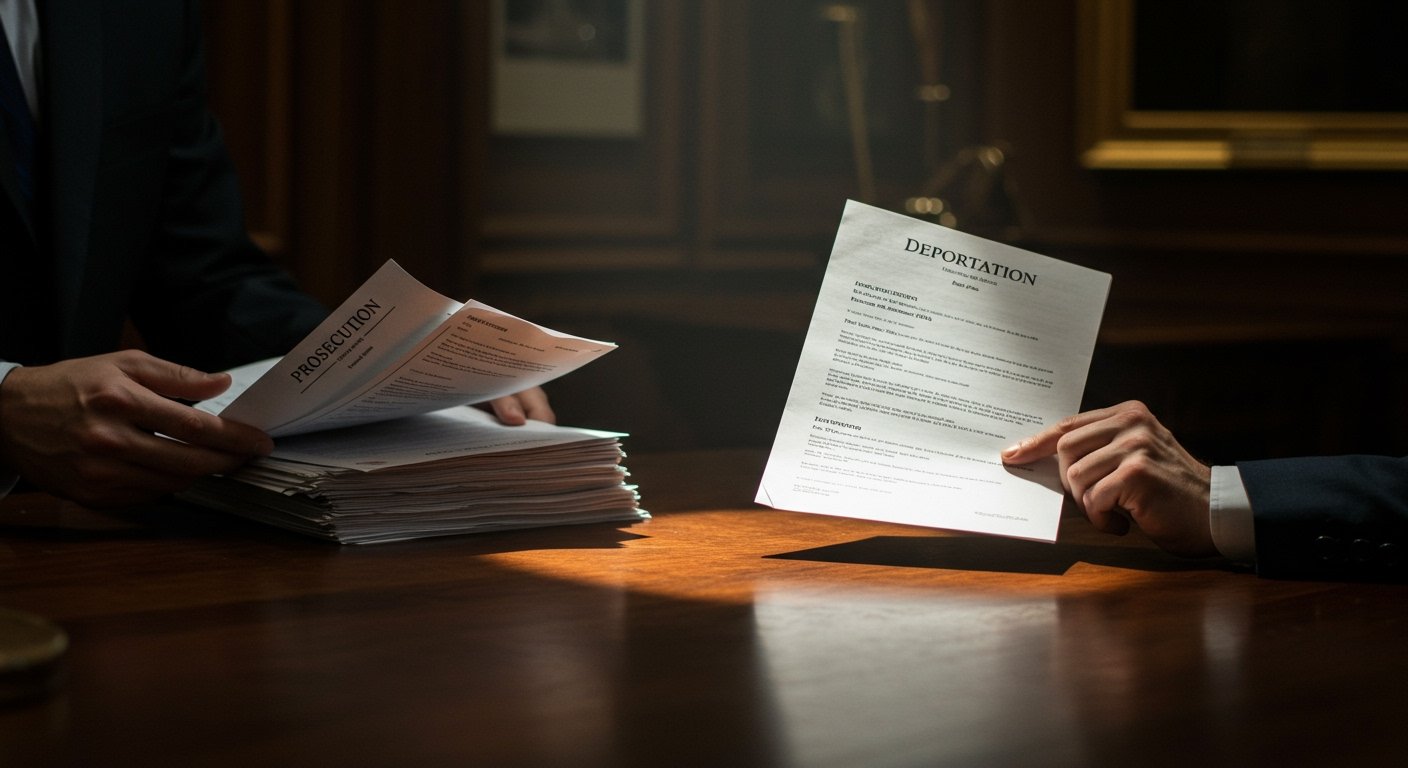

Understanding the nature of these charges requires a look at the statutory framework. Election crimes are not a monolithic category; they encompass a wide array of activities, including voter fraud, ballot harvesting, voter intimidation, and illegal campaign financing. The DOJ’s application of specific statutes, such as those found within the Voting Rights Act and federal conspiracy laws, demonstrates a sophisticated legal strategy. By prosecuting these cases, the DOJ is establishing a precedent that even minor local infractions—when they impede the federal right to vote or the security of federal elections—will be treated as serious violations of national law.
Examining the Ripple Effects on Public Trust
The broader implication of these prosecutions is the restoration of public confidence. In an era where misinformation often obscures the reality of electoral processes, seeing concrete federal action provides a tangible basis for trust. When citizens observe that the justice system actively intervenes to prevent and punish those who seek to undermine elections, the perception of a ‘rigged’ or ‘insecure’ system is challenged by the hard reality of judicial oversight. However, this raises critical questions about the balance between enforcement and the potential for perceived overreach. The DOJ must continue to operate with extreme transparency to ensure these actions are viewed as purely defensive measures for democracy, rather than partisan instruments.
Historical Context: The Evolution of Federal Oversight
Historically, the federal government’s role in election policing has evolved significantly. From the Reconstruction-era enforcement of the 15th Amendment to the more modern, technology-focused interventions of the 21st century, the DOJ has consistently moved to address systemic vulnerabilities. The current focus on these 12 individuals reflects a modern necessity: the speed at which misinformation and localized interference can now spread. Unlike in decades past, where election interference was often slow and localized, modern threats are instantaneous and can influence perceptions across a national electorate in real-time. This necessitates the rapid, multi-state enforcement response seen in the current DOJ sweep.
Technological Vulnerabilities and Modern Threats
Beyond the physical acts of fraud, the DOJ is increasingly focused on the intersection of technology and election crimes. Modern election interference now frequently involves the weaponization of data and cyber-based intimidation strategies. The 12 individuals charged in this recent sweep represent a spectrum of threats, and their prosecution serves as a case study for future enforcement. As we look toward future election cycles, the integration of advanced data analytics and cyber-forensics will become even more central to the DOJ’s mission. The ability to track the source of election interference, regardless of where it originates, is the new frontline of defense.
FAQ: People Also Ask
What specific types of crimes were included in these charges?
The charges against the 12 individuals vary by case but generally fall under federal statutes prohibiting voter intimidation, fraudulent registration, ballot tampering, and conspiracy to interfere with the administration of federal elections.
Why is the DOJ taking action now?
The DOJ operates on an ongoing basis to monitor and investigate threats to election integrity. The announcement of these charges serves to confirm that federal oversight is continuous and that investigations resulting from previous reporting periods have culminated in formal legal actions.
Does this affect the results of past elections?
The DOJ has stated that these enforcement actions are focused on individual criminal conduct and the integrity of the process itself, rather than serving as a mechanism to challenge or overturn specific past election results. The goal is the future security of the democratic process.
How can citizens report suspected election crimes?
Citizens are encouraged to report potential federal election crimes to their local FBI field office or by using the official DOJ reporting mechanisms available on their website. The DOJ emphasizes that maintaining election integrity is a responsibility shared by the public and federal authorities.