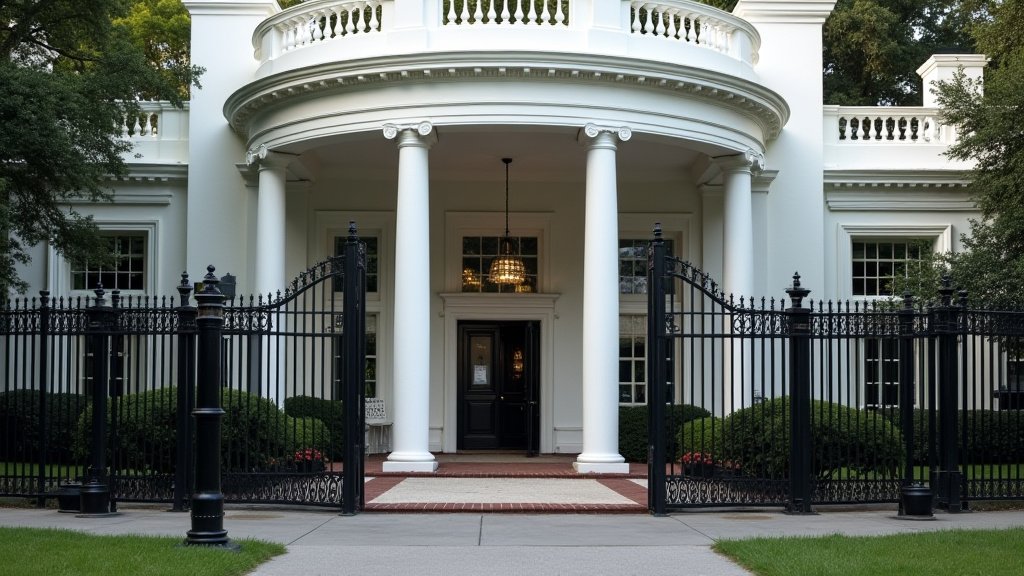
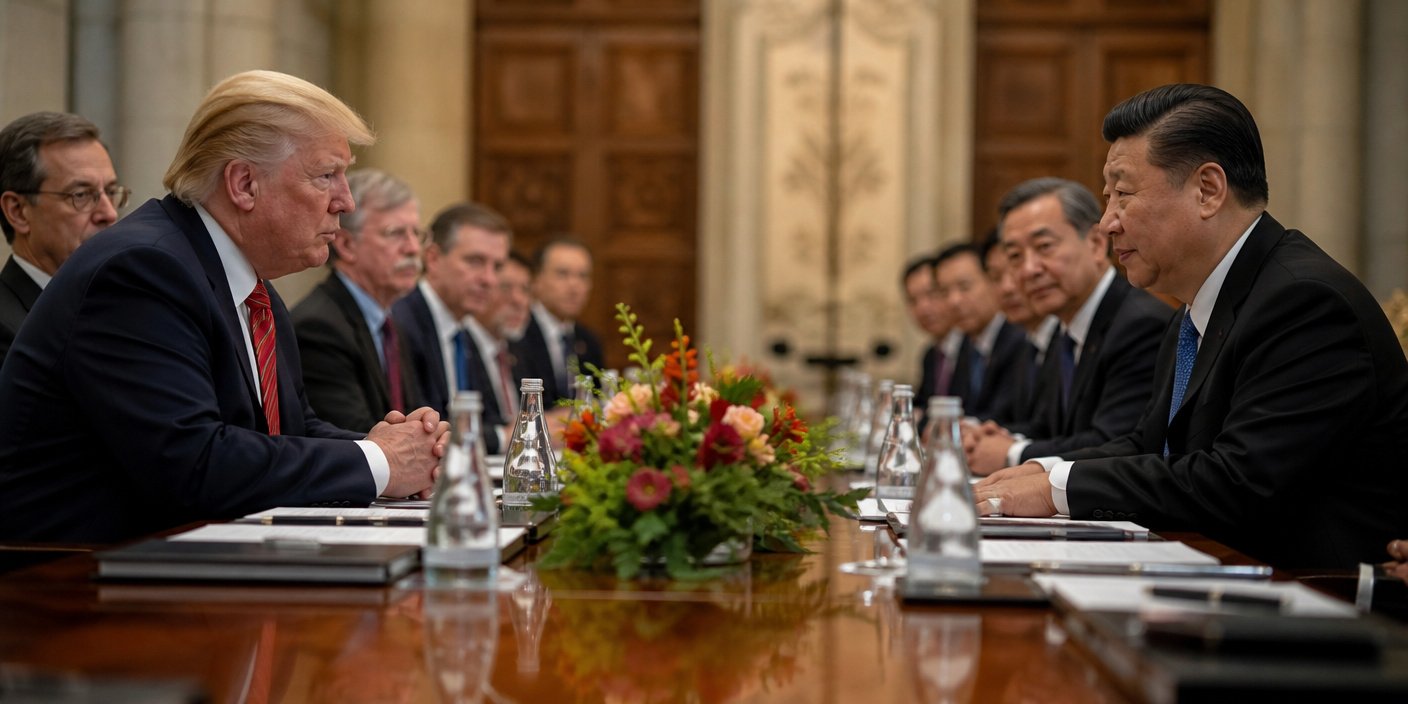
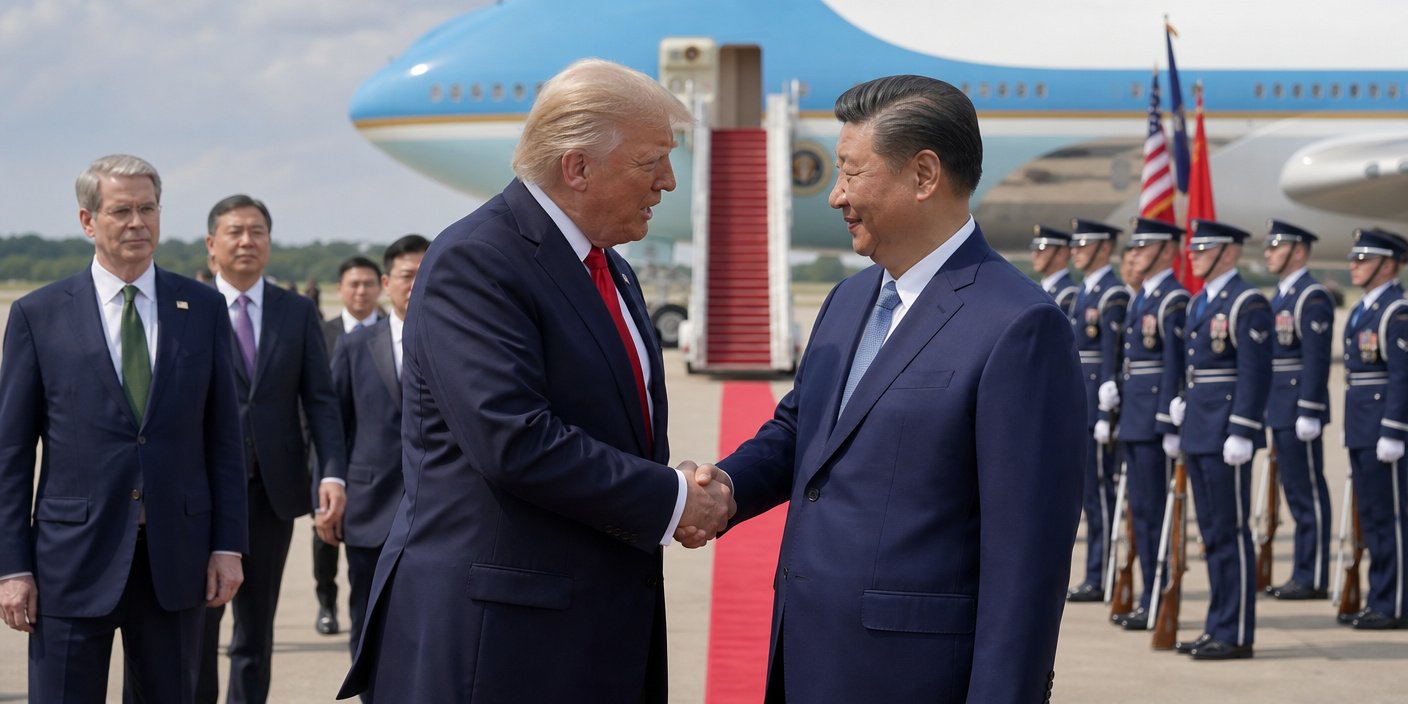
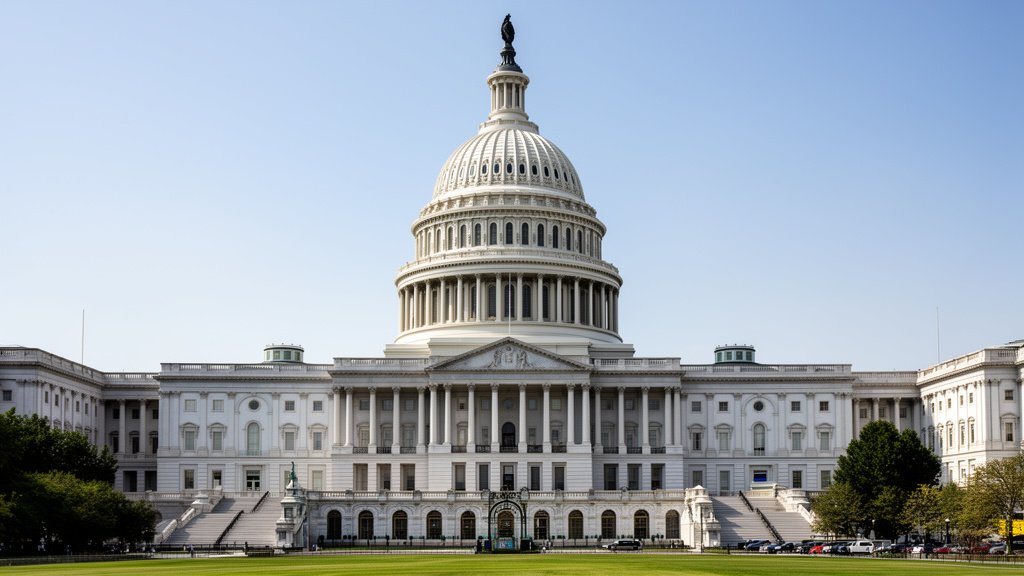
In a pivotal moment for global stability, Presidents Donald Trump and Xi Jinping convened at the White House for a high-level state visit aimed at recalibrating the complex dynamics between the United States and China. This summit, characterized by intense negotiations and diplomatic maneuvering, centered on the most pressing challenges facing the international community: bilateral trade imbalances, the escalating conflict involving Iran, and the urgent necessity of establishing a framework for the regulation of artificial intelligence.
Key Highlights
- Trade Re-calibration: Negotiators discussed potential shifts in tariff structures and supply chain resilience, aiming to stabilize the volatile economic corridor between Washington and Beijing.
- The Iran Conflict: Both leaders addressed the regional security crisis in the Middle East, emphasizing the need for de-escalation and the protection of international trade routes.
- AI Governance Pact: A breakthrough discussion regarding the responsible development of artificial intelligence, focusing on safety standards and preventing the weaponization of autonomous systems.
- Diplomatic Signaling: The visit served as a symbolic reset for bilateral relations, moving toward a framework of ‘competitive coexistence’ rather than overt containment.
Navigating the Geopolitical Pivot: The White House Summit
The meeting between President Donald Trump and President Xi Jinping at the White House marks a distinct shift in 21st-century diplomacy. By addressing both legacy economic grievances and the emerging technological threats of the AI era, the summit sought to establish a ‘guardrail’ system that prevents strategic competition from spiraling into kinetic conflict.
Economic Stabilization and Trade Realignment
At the forefront of the discussions was the multifaceted trade relationship, which has seen turbulence over the last decade. The administration officials, working closely with the Office of the United States Trade Representative (USTR), pushed for a more predictable regulatory environment. Discussions focused on balancing the trade deficit while ensuring that essential supply chains—particularly for semiconductors and medical supplies—are no longer points of vulnerability. Analysts suggest that the potential for a ‘phase-two’ trade agreement hinge on Beijing’s commitment to intellectual property enforcement and market access reforms. The economic dialogue was not merely about numbers; it was about defining the future of American and Chinese industrial policy in a globalized economy that is increasingly fracturing into distinct technological blocs.
The Iran Conflict and Strategic Security

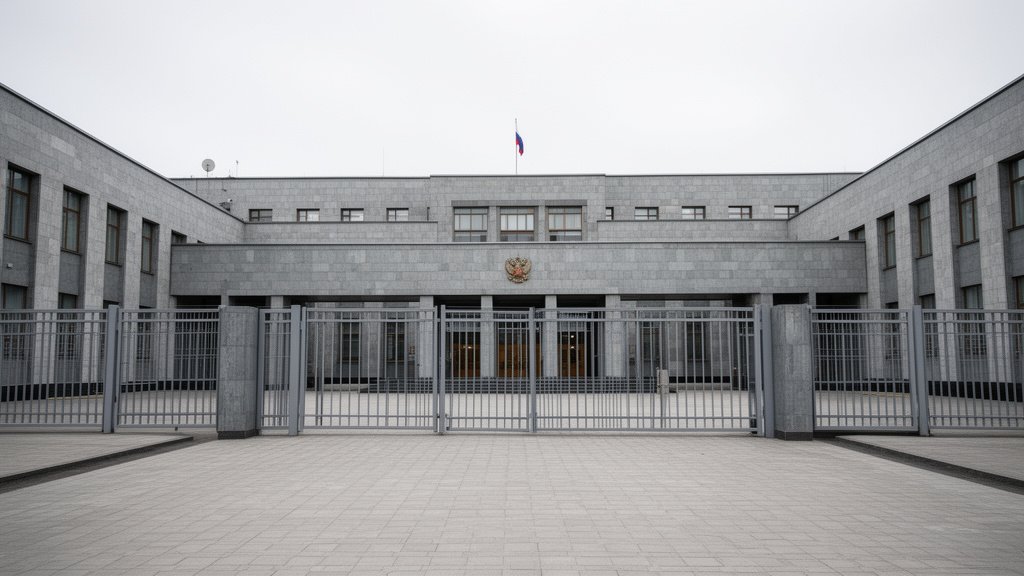
Perhaps the most pressing item on the agenda was the current crisis in the Middle East. With tensions surrounding Iran and its proxy networks posing an existential threat to global shipping lanes, the White House prioritized an immediate dialogue on containment. The summit allowed for a candid exchange on how U.S. and Chinese influence can be utilized to prevent regional spillover. While the two nations often find themselves on opposing sides of the geopolitical aisle, there is a rare, shared strategic interest in maintaining the free flow of energy and goods through the Strait of Hormuz. The discussions touched upon the role of the International Atomic Energy Agency (IAEA) and the potential for a joint diplomatic approach to discourage further escalation, acknowledging that a regional war would be catastrophic for the global economy that both nations rely upon.
Governing the Frontier: The AI Compact
In a historic development, the summit dedicated significant time to the existential challenge of Artificial Intelligence. Both leaders recognized that AI represents a ‘Wild West’ of technological innovation, where the lack of international norms could lead to dangerous proliferation. The proposed cooperation aims to mirror the nuclear non-proliferation treaties of the 20th century. By establishing common safety protocols, both nations aim to ensure that AI systems are developed with transparency and that the weaponization of autonomous decision-making—whether in military or cyber operations—is strictly prohibited. This marks the first time that both the White House and the leadership in Beijing have formally acknowledged the need for a bilateral technical framework to manage the risks posed by super-intelligent systems.
Secondary Angles: Historical Context and Future Impact
To fully grasp the significance of this summit, one must look at the historical trajectory of the U.S.-China relationship. Unlike previous administrations that focused heavily on isolationist policies, this meeting signifies a pragmatic pivot toward ‘managed competition.’ Economically, the impact of these talks will likely be felt in the stock markets and manufacturing sectors for years to come, as corporations look for certainty in an uncertain political climate. Looking forward, the success of this summit will be measured not by the signing ceremonies, but by the tangible reduction in friction regarding AI safety protocols and regional security incidents over the next 24 months.
FAQ: People Also Ask
Q: What is the primary outcome of the Trump-Xi trade discussions?
A: The discussions focused on structural reforms, tariff stabilization, and securing supply chains to reduce economic volatility, aiming for a more predictable trade environment.
Q: Why was the Iran conflict a major topic at this summit?
A: As two of the world’s largest economies, both the U.S. and China have a vested interest in the stability of global trade routes and energy prices, which are directly threatened by the conflict involving Iran.
Q: Is there an actual agreement on AI regulation?
A: The summit resulted in a commitment to begin establishing a collaborative framework for AI safety standards, aimed at preventing the weaponization of autonomous technologies.
Q: What does this meeting signal for future U.S.-China relations?
A: It signals a shift toward ‘competitive coexistence,’ where both nations aim to manage their profound differences and intense competition through diplomatic channels rather than direct confrontation.