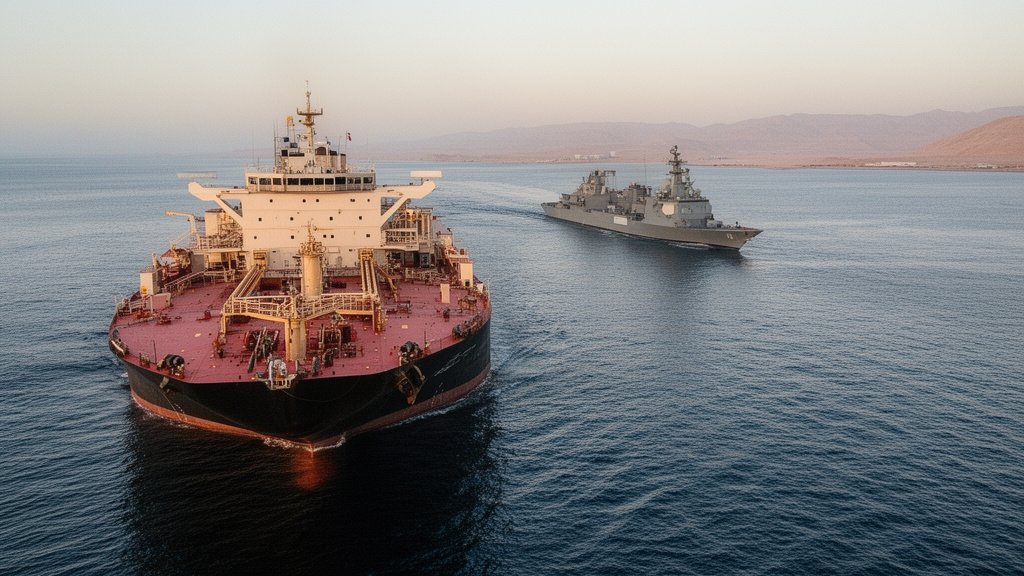
On September 5, 2026, U.S. Central Command (CENTCOM) forces successfully engaged and destroyed three oil tankers operated by the Islamic Revolutionary Guard Corps (IRGC) following a targeted provocation against two U.S. Navy warships operating in the region. This decisive military action marks a significant escalation in maritime security operations within the Persian Gulf, underscoring the volatility of shipping lanes critical to global energy supplies. The engagement occurred in the early morning hours, following what Pentagon officials described as a ‘coordinated and unprovoked’ tactical maneuver by IRGC-affiliated vessels, which attempted to harass and impede the freedom of navigation for U.S. maritime assets.
Key Highlights
- Engagement Date: September 5, 2026, in the Persian Gulf theater.
- Operational Outcome: CENTCOM forces neutralized three IRGC-operated oil tankers following direct aggressive action against two U.S. Navy warships.
- Casus Belli: The IRGC vessels engaged in provocative maneuvers, forcing the U.S. Navy to exercise the right of self-defense.
- Strategic Impact: The event highlights the deepening security friction in the Strait of Hormuz, with immediate implications for global oil market stability.
The Strategic Escalation: Maritime Defense in the Persian Gulf
The events of September 5, 2026, did not occur in a vacuum. For months, the Persian Gulf has served as a crucible for geopolitical friction, with the IRGC utilizing ‘grey zone’ tactics—using commercial or dual-use vessels to obfuscate naval movements and test the resolve of the U.S. Fifth Fleet. In this instance, the three neutralized tankers were reportedly utilized as mobile platforms for reconnaissance and electronic warfare, rather than purely for legitimate commercial transport.
Tactical Breakdown: The Engagement
According to initial reports released by CENTCOM, the incident began when two U.S. Navy warships were conducting routine maritime security patrols in international waters. They were approached by a swarm of small, high-speed attack craft (FAC) backed by the three oil tankers, which served as command-and-control nodes. As the situation rapidly deteriorated, the U.S. commanders determined that the proximity and aggressive maneuvering of the IRGC-linked assets posed an ‘imminent threat’ to the safety of the crews and the vessels. Following established rules of engagement, the U.S. naval units deployed precision fire. The engagement resulted in the immobilization and subsequent sinking of the three tankers, effectively dismantling a key component of the IRGC’s local naval infrastructure for that sector.
Geopolitical Fallout and Energy Market Volatility

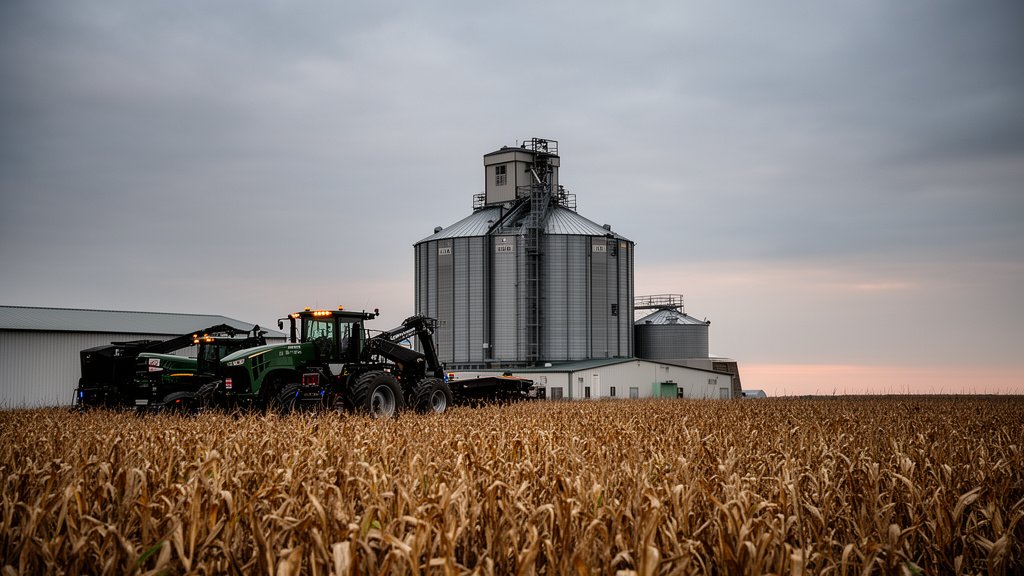
The destruction of these vessels has sent shockwaves through global energy markets. The Persian Gulf remains one of the world’s most critical maritime chokepoints. While the immediate localized conflict was contained, the broader economic ramifications are significant. Markets immediately reacted to the news, with Brent Crude futures seeing a sharp uptick as traders priced in the potential for prolonged instability in the Strait of Hormuz. Energy analysts suggest that this event marks a shift from ‘shadow wars’ to direct kinetic engagement, a development that complicates diplomatic efforts to maintain a status quo in Gulf security.
Historical Precedents: Navigating the Security Crisis
To understand the gravity of the September 5 engagement, one must look at the historical trajectory of U.S.-IRGC naval tensions. Throughout the 2020s, the region saw an uptick in tanker seizures, drone swarms, and ‘harassment’ campaigns. However, the decision by CENTCOM to engage and destroy assets rather than merely warning them off indicates a fundamental shift in the U.S. deterrent posture. Similar to the ‘Tanker War’ of the 1980s, the U.S. is signaling that its tolerance for tactical provocation has reached a definitive limit. This pivot effectively abandons the previous ‘wait-and-see’ approach, favoring preemptive neutralization when the threshold of safety is crossed.
Future Deterrence and Operational Posture
Looking ahead, the question remains how this escalation will influence future IRGC naval operations. By targeting the support architecture—the tankers themselves—the U.S. has signaled a willingness to impose a tangible cost on the IRGC’s logistical capabilities. Strategic observers note that the IRGC often relies on these ‘civilian’ hulls to hide command assets. By stripping away that camouflage, CENTCOM has altered the cost-benefit analysis for Tehran. The immediate future will likely see heightened surveillance levels and potentially the introduction of additional carrier strike group assets to the region to ensure that the message of deterrence is clearly understood. The U.S. commitment to freedom of navigation, a cornerstone of its maritime strategy, appears to be moving into a phase of active, enforcement-heavy protection.
FAQ: People Also Ask
1. Why did the U.S. destroy the tankers instead of capturing them?
In dynamic naval engagements, commanders must prioritize the safety of their crews and vessels. When faced with an imminent threat in a high-density environment like the Persian Gulf, neutralizing the threat at a distance is often the only way to ensure the safety of U.S. personnel and ships. Boarding operations in a hostile environment are notoriously dangerous and often unfeasible.
2. Will this lead to a wider conflict between the U.S. and Iran?
While the engagement is a serious tactical escalation, both sides have historically shown a preference for preventing a full-scale, total war. The U.S. defines this as a tactical exercise of self-defense, though diplomatic channels will certainly be strained as both nations assess the fallout.
3. How will this impact global oil prices?
Immediate market volatility is expected. Because the Persian Gulf is a major artery for global energy, any increase in military tension tends to drive up risk premiums. Traders will be monitoring the Strait of Hormuz closely for any signs of retaliatory actions or blockades that could disrupt supply chains.
4. What is the role of CENTCOM in this region?
U.S. Central Command (CENTCOM) is responsible for U.S. military operations in the Middle East, Central Asia, and parts of South Asia. Its primary mission in the Persian Gulf is to ensure the free flow of commerce, maintain maritime security, and deter regional aggression against U.S. interests and allies.