U.S. military forces executed a series of precision strikes against Iranian rocket launchers stationed on an Iranian island this past weekend, shattering a month-long period of relative calm in the Persian Gulf. The operation, aimed at neutralizing imminent threats to maritime security and regional infrastructure, has sent immediate shockwaves through global energy markets, with crude oil prices swiftly climbing above $90 per barrel. This escalation marks a significant pivot point in the ongoing, high-stakes standoff between U.S. Central Command (CENTCOM) and regional proxy networks, raising urgent questions about the potential for further kinetic conflict and the sustained stability of global oil supplies.
Key Highlights
- Precision Operation: U.S. military forces successfully targeted and neutralized Iranian rocket launchers positioned on a strategically sensitive Iranian island, ending a 30-day lull in direct military engagement.
- Market Volatility: Global oil markets reacted instantly to the news, with crude oil prices breaking the $90-per-barrel mark, reflecting heightened anxiety regarding potential supply chain disruptions.
- Regional Security: The strike represents a calculated shift in U.S. posture, moving from passive deterrence to active neutralization of offensive capabilities in the Persian Gulf.
The Strategic Shift: Breaking the Silence
The decision to strike the rocket launchers was not made in a vacuum; it was a calibrated response to intelligence indicating that the assets were positioned to threaten commercial shipping lanes and U.S. logistical nodes. For thirty days, the region had experienced a fragile, ‘gray-zone’ stability, characterized by clandestine posturing rather than open engagement. By targeting these assets, the U.S. has signaled an end to the period of restraint, forcing a recalculation for regional actors who previously utilized the lull to harden their defensive and offensive infrastructure.
Tactical Geography: The Persian Gulf Flashpoint
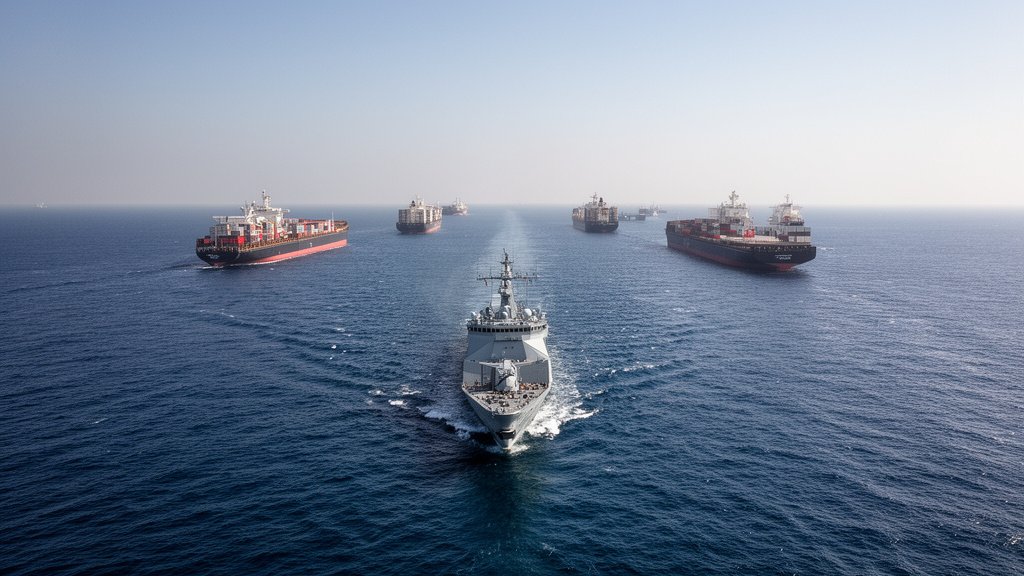
The Persian Gulf remains the world’s most critical maritime chokepoint. The positioning of rocket batteries on islands within this corridor is a strategic attempt to project power over the Strait of Hormuz—the artery through which approximately 20% of the world’s total oil consumption passes. By striking these launchers, U.S. forces have effectively removed a ‘gun to the head’ of global energy transit, but they have also invited direct scrutiny from the Islamic Revolutionary Guard Corps (IRGC). This tactical geography ensures that any strike is not merely a local engagement, but a geopolitical event with cascading consequences for international trade.
The Economic Ripple Effect: Crude Above $90
Markets are hypersensitive to news from the Persian Gulf, and the jump to over $90 per barrel is indicative of the ‘geopolitical premium’ being priced back into oil futures. Traders are balancing two competing realities: the actual loss of infrastructure from the strikes versus the fear of a broader, more protracted conflict that could physically choke off supply routes. If the tension continues to escalate, analysts predict that this price floor could be tested repeatedly, placing inflationary pressure on the U.S. and European economies that are already grappling with fluctuating energy costs.
Regional Instability and the Dynamics of Deterrence
The underlying tension between the U.S. and Iranian-backed entities has entered a new, more volatile phase. The doctrine of deterrence, which relies on the credible threat of force, requires periodic demonstration to remain effective. Critics argue that the month-long lull may have been misinterpreted by local actors as a sign of U.S. hesitation or a withdrawal from regional security commitments. Consequently, this weekend’s strikes serve as a ‘reset’ of that deterrence, re-establishing the red lines that the U.S. expects regional powers to respect.
Deterrence vs. Escalation Ladder



There is a fine line between maintaining deterrence and triggering an escalatory spiral. Every action taken by U.S. forces is met with a counter-action by the IRGC or its proxies, creating an ‘escalation ladder.’ The challenge for policy-makers in Washington is to neutralize threats without crossing the threshold into a full-scale, direct war—a scenario that would be catastrophic for regional security and global markets. This strike was clearly designed to stay on the lower rungs of this ladder, but the unpredictability of regional actors remains the largest variable in this strategic equation.
Assessing the Fragile State of Middle East Security
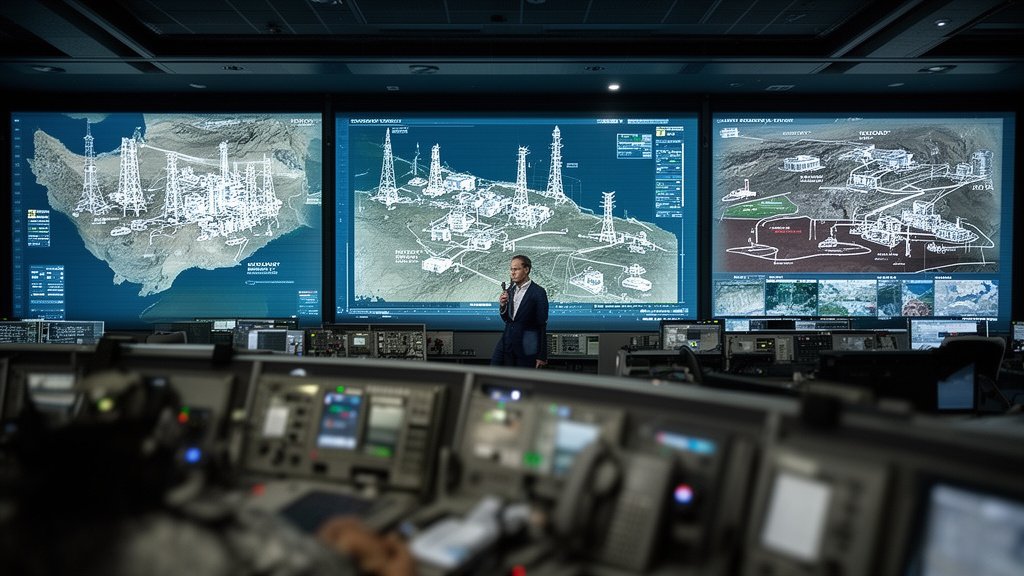
The current security architecture in the Middle East is increasingly defined by the proliferation of precision-guided munitions and drone technology. The rocket launchers struck this weekend are indicative of a broader trend: the democratization of high-end military tech. When non-state or regional actors have access to these weapons, the U.S. can no longer rely on traditional naval deterrence alone. The need for persistent, real-time intelligence and the capability to strike on short notice, as evidenced this weekend, will likely become the ‘new normal’ for CENTCOM operations.
Navigating the Fallout: Projections and Risk
Looking forward, all eyes are on the diplomatic and military response from Tehran. Will the response be a proportional, controlled retaliation, or will this strike trigger a wider campaign of harassment against maritime traffic? The answer to this will dictate whether oil prices stabilize or continue their upward trajectory. Investors are bracing for a period of extended volatility, with energy sector stocks expected to see sharp movements based on the hour-by-hour developments in the Persian Gulf.
Global Supply Chain Concerns
Beyond the raw price of a barrel of oil, the logistics of the region are a primary concern. Insurance premiums for shipping vessels navigating the Strait of Hormuz have historically spiked during periods of conflict. An increase in these premiums will inevitably trickle down to the cost of goods, as the transit of energy-intensive commodities becomes more expensive. This is a subtle but potent way that conflict in the Middle East touches the wallet of the average consumer worldwide.
Diplomatic Hurdles
The path to de-escalation is narrow. Traditional diplomatic channels are strained, and the lack of a direct, functional communication line between U.S. and Iranian military leadership increases the risk of miscalculation. The international community is now calling for a return to the status quo, yet the reality on the ground—with smoldering launch sites and heightened alerts—suggests that a return to the quiet of last month is unlikely in the immediate future. The U.S. will likely continue to monitor for signs of reconstruction or retaliation, keeping its regional assets at a heightened state of readiness for the foreseeable weeks.
FAQ: People Also Ask
Q: Why did the U.S. strike the rocket launchers now?
A: The strike was a preventative measure based on intelligence that these launchers were being prepared to threaten commercial shipping and U.S. military infrastructure, requiring an active response to maintain deterrence.
Q: How will this strike affect my gas prices?
A: While gas prices are determined by a complex mix of global supply, refining capacity, and local taxes, the spike in crude oil above $90 a barrel creates immediate upward pressure. If the situation in the Persian Gulf remains volatile, consumers should anticipate potential fluctuations at the pump in the coming weeks.
Q: Is this the beginning of a larger war?
A: Experts are divided, but the U.S. administration frames these actions as targeted, limited operations intended to prevent, not provoke, a wider conflict. However, the risk of miscalculation by regional actors remains a significant concern for military analysts.
Q: What is the significance of the ‘month-long lull’?
A: The month-long lull represented a period of relative, albeit fragile, stability. Its conclusion indicates that the ‘rules of engagement’ are shifting, and that regional actors may be testing the U.S. threshold for tolerance regarding military build-ups in the Persian Gulf.