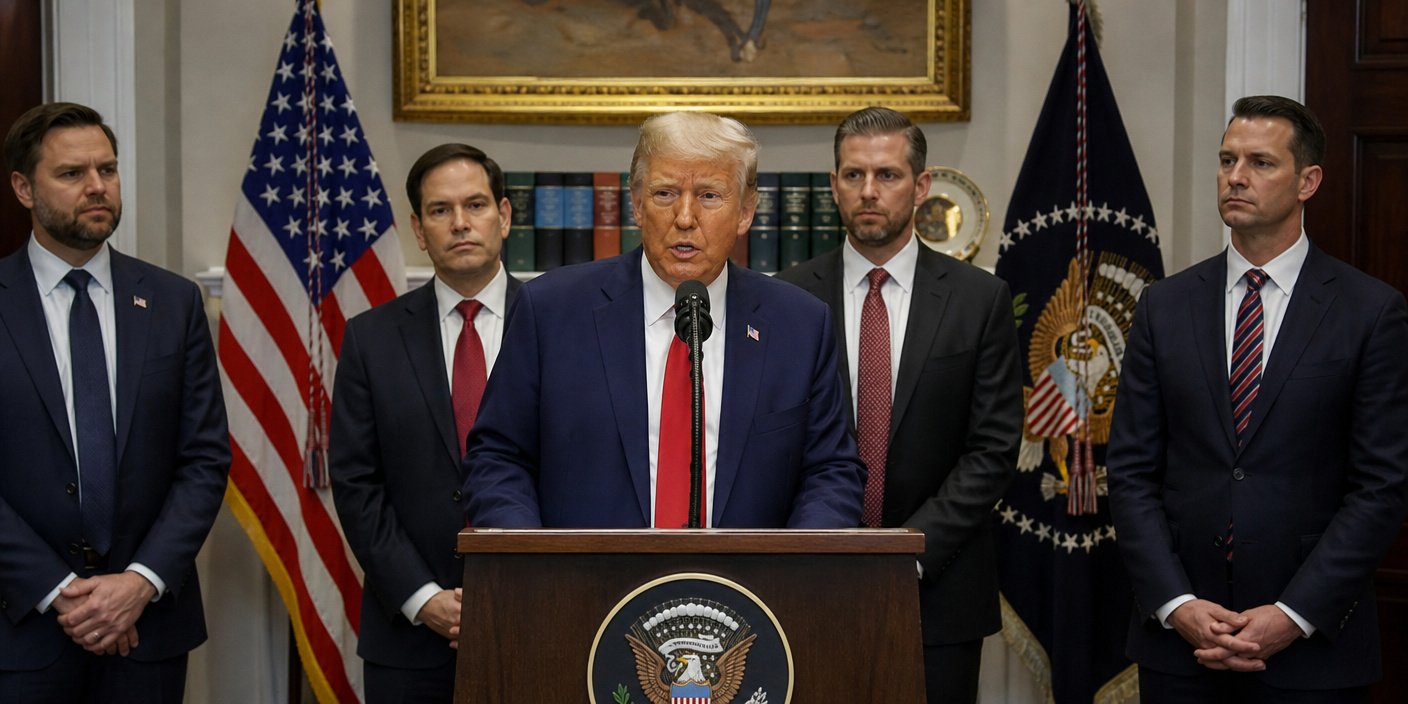
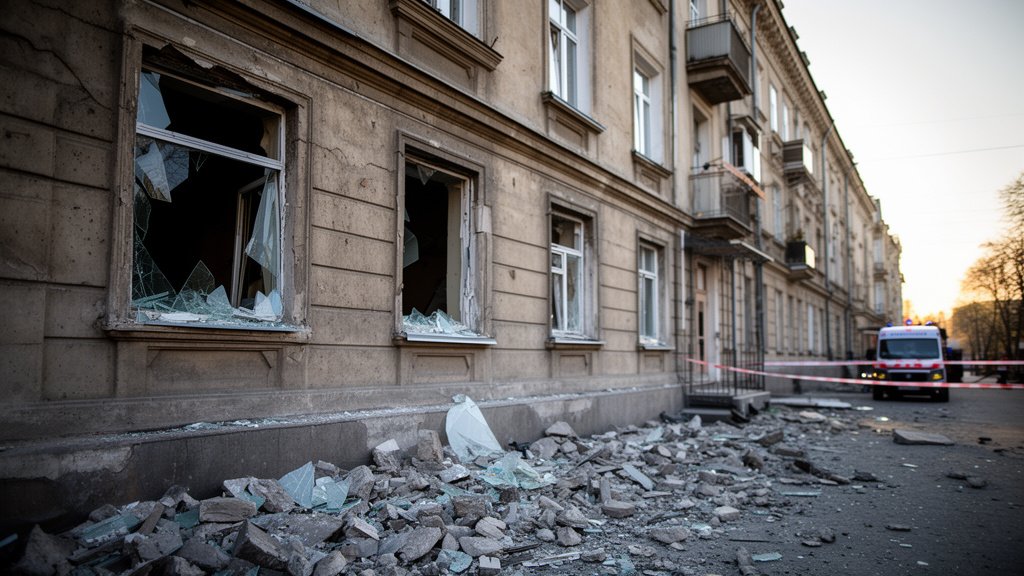
Former President Donald Trump has announced a new US-brokered agreement aimed at addressing the long-standing instability in the Gaza Strip. The proposal, which marks a significant shift in diplomatic strategy, mandates the complete disarmament of Hamas and the staged withdrawal of Israeli Defense Forces (IDF) from the region. At the center of this framework is the ‘Board of Peace,’ an oversight body intended to manage the transition and ensure compliance from all participating parties.
Key Highlights
- Hamas Disarmament: The core of the agreement requires the verified surrender and removal of weaponry held by Hamas.
- IDF Withdrawal: A staged retreat of Israeli troops from Gaza is contingent upon the successful disarmament process.
- Board of Peace: A new multi-national administrative entity is established to oversee the transition and maintain security.
- Strategic Framework: The plan seeks to replace current security dynamics with a sustainable, long-term governance model.
The Anatomy of the New Gaza Security Framework
The announcement of the agreement has sparked intense scrutiny from geopolitical analysts and global leaders alike. By proposing a direct linkage between Hamas disarmament and the withdrawal of Israeli troops, the plan attempts to resolve the primary security paradox that has defined the conflict for decades. The introduction of the ‘Board of Peace’ suggests a departure from reliance on established international organizations, moving instead toward a specific, deal-oriented administrative structure designed to facilitate direct compliance.
The Operational Role of the ‘Board of Peace’
The ‘Board of Peace’ is slated to function as the primary arbiter of the agreement. Its mandate includes the verification of disarmament protocols, the monitoring of border integrity, and the coordination of logistical support for the region during the transition period. According to the proposal, this board will operate with specific executive authority to ensure that the disarmament process is not merely a symbolic gesture but a structural reality. The Board is expected to incorporate regional stakeholders who have a vested interest in the long-term stability of the Gaza Strip, though the exact composition of this governing body remains a subject of ongoing discussion among international diplomatic channels.
The Disarmament-Withdrawal Nexus


The central pillar of this initiative is the synchronization of disarmament and troop withdrawal. Historically, the primary friction point in previous negotiations has been the lack of a reliable mechanism to ensure security once troops depart. By making the Israeli withdrawal contingent on the verifiable disarmament of Hamas, the plan seeks to mitigate the security vacuum that typically precedes an escalation in conflict. Experts suggest that the speed and efficiency of this withdrawal will be directly tied to the verifiable count of surrendered munitions and the cessation of militant activities within the Gaza perimeter.
Secondary Angles: Contextualizing the Proposal
Geopolitical Realignment and the Abraham Accords
This agreement does not exist in a vacuum; it is being viewed as an extension of the broader diplomatic momentum generated by the Abraham Accords. By leveraging existing regional alliances, the Trump administration’s proposal attempts to normalize the security landscape of Gaza. The integration of the ‘Board of Peace’ is seen as a way to formalize the role of regional partners, ensuring that the burden of monitoring does not fall solely on Western powers or the warring parties themselves. This shift aims to create a more integrated Middle Eastern security architecture that prioritizes regional cooperation over external intervention.
Economic Revitalization as Security
A critical, yet often overlooked, component of the disarmament plan is the intended economic revitalization. The agreement includes provisions for infrastructure investment that are explicitly linked to the maintenance of the security status quo established by the Board of Peace. The rationale is that economic prosperity is the most effective deterrent against re-militarization. By stabilizing the security environment, the plan aims to open pathways for international investment, rebuilding efforts, and trade normalization, which proponents argue will incentivize the population to support the disarmament process over the preservation of militant infrastructure.
The Challenge of Implementation
Despite the clear framework, the implementation of such a sweeping agreement faces significant historical and logistical hurdles. The transition from active conflict to a managed peace requires not only the physical surrender of weapons but a fundamental shift in the governing ideologies within Gaza. The ‘Board of Peace’ will face the arduous task of verifying the decommissioning of tunnels, smuggling networks, and clandestine manufacturing sites. Furthermore, ensuring that all factions within the region adhere to the agreement, rather than just the central leadership, will be the ultimate test of the Board’s executive reach and the enforcement mechanisms backing the deal.
FAQ: People Also Ask
Q: What is the primary function of the ‘Board of Peace’ in the Trump proposal?
A: The Board of Peace is designed to act as the central oversight and enforcement entity. It is responsible for verifying the disarmament of Hamas, monitoring the Israeli troop withdrawal, and managing the security transition to prevent a power vacuum.
Q: How does the agreement address the Israeli withdrawal from Gaza?
A: The agreement dictates a staged withdrawal of Israeli Defense Forces (IDF). This withdrawal is strictly contingent upon the verified disarmament of Hamas, ensuring that security is maintained throughout the process.
Q: Is this agreement tied to previous Middle East diplomatic efforts?
A: Yes, analysts view this proposal as an extension of the Abraham Accords framework, aiming to leverage regional partnerships to ensure stability and enforcement of the peace terms.
Q: What is the incentive for Hamas to disarm under this plan?
A: While the specific incentives are complex, the proposal focuses on a transition to long-term stability and economic reintegration, suggesting that the normalization of the region and the cessation of conflict provide a path toward a new governance model.