The financial markets on July 13, 2026, navigated a complex landscape shaped by heightened geopolitical tensions and major domestic political developments. Seeking Alpha’s “Politics And The Markets” report highlighted critical events, including new U.S. strikes on Iran that intensified concerns over Persian Gulf oil supply, the unexpected death of Senator Lindsey Graham, and former President Donald Trump’s consideration of Australia’s pension system as a potential solution for American retirement challenges. These interconnected events created a backdrop of uncertainty and strategic reevaluation for investors and policymakers alike.
U.S. Strikes on Iran Amplify Persian Gulf Instability
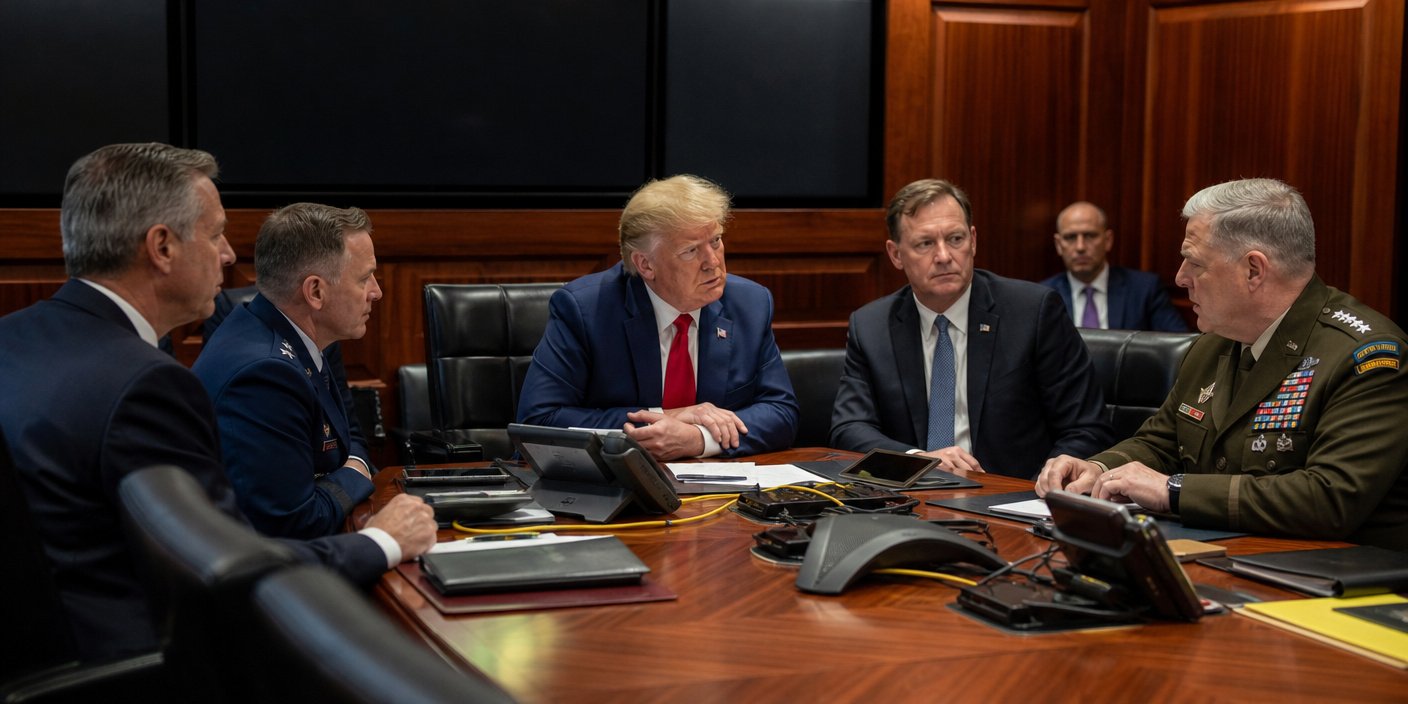
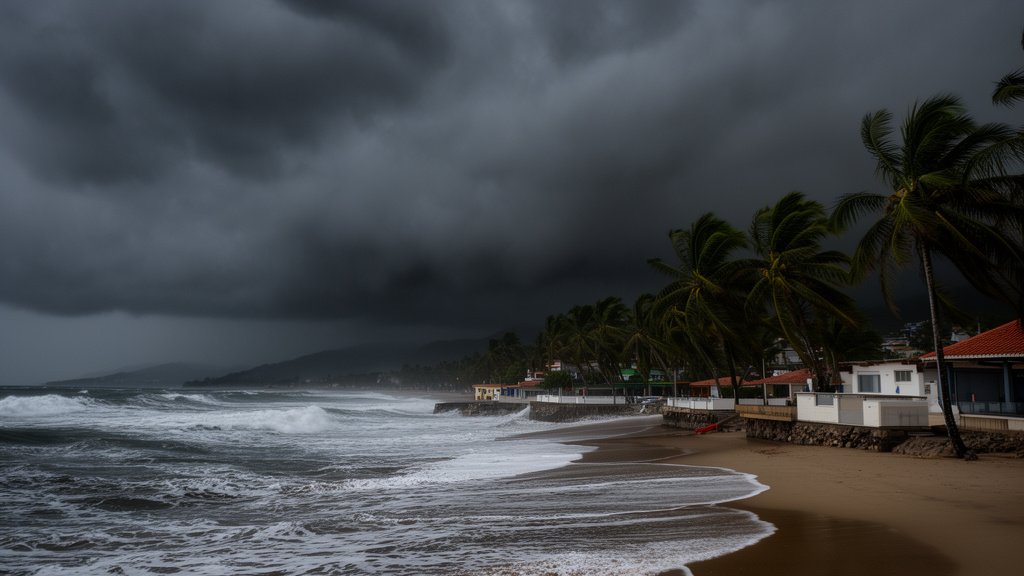
On Monday, July 13, 2026, the United States launched a new series of strikes against Iran, significantly escalating a standoff that directly threatened the stability of oil shipments through the vital Strait of Hormuz. This action followed previous U.S. demands that Iran publicly affirm the open passage of all shipping lanes within the strait and pledge to cease attacks on civilian vessels. The ultimatum carried explicit consequences for non-compliance, underscoring the gravity of the situation. Despite the increased military actions, reports indicated that Donald Trump stated the Strait of Hormuz remained open following the U.S. strikes, a claim that offered a sliver of reassurance amidst broader anxieties about potential supply disruptions and price volatility in the global oil market. The strategic importance of the Strait of Hormuz, a chokepoint through which a significant portion of the world’s oil supply transits, meant that any instability in the region had immediate and far-reaching economic implications. Analysts at Seeking Alpha noted that the ongoing confrontation could lead to increased shipping costs, insurance premiums, and a general premium on crude oil prices, directly impacting inflation and economic growth worldwide.
Passing of Senator Lindsey Graham Leaves Foreign Policy Void




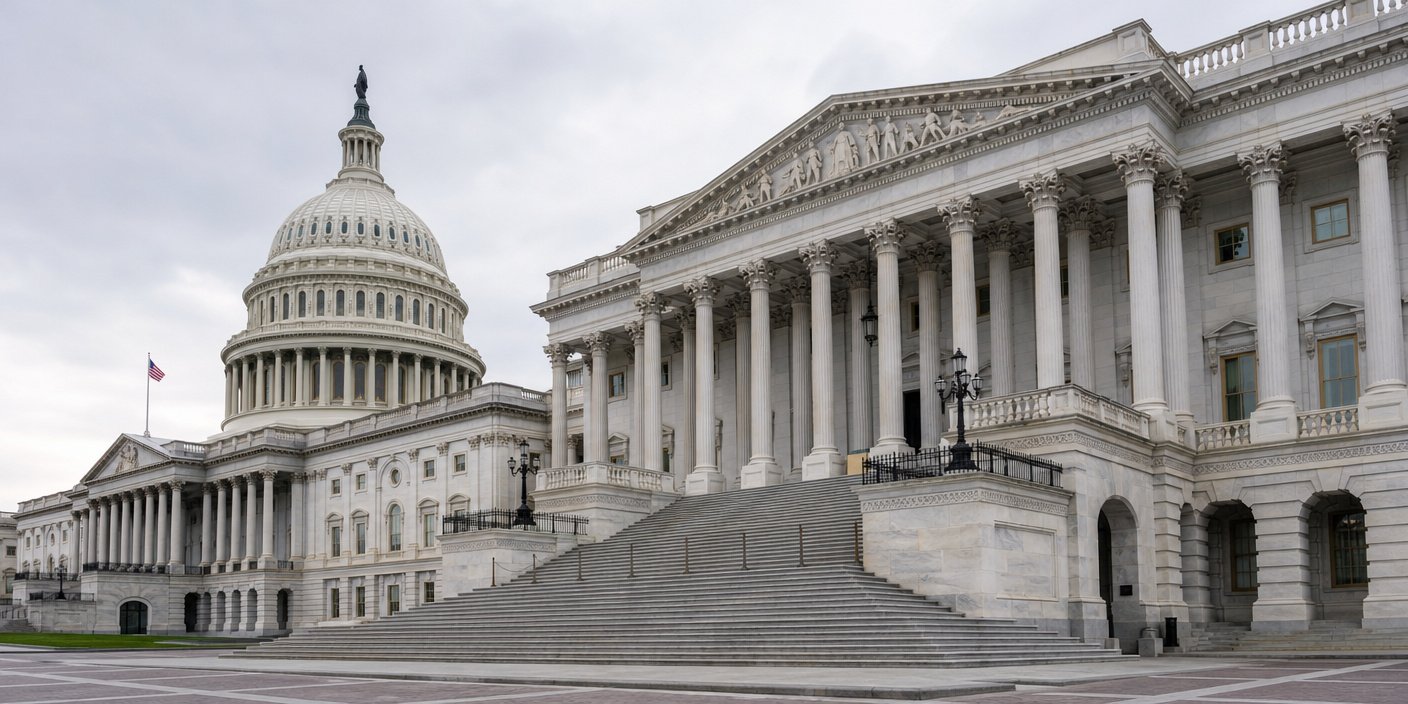
The political sphere was also profoundly impacted by the announcement of Senator Lindsey Graham’s death at the age of 71, following a brief illness. Graham, a long-serving Republican Senator from South Carolina, was a prominent figure known for his hawkish foreign policy stance and deep engagement on national security issues. His tenure in the Senate, beginning with his election in 2002 after serving four terms in the U.S. House of Representatives, saw him become a leading voice on matters concerning Iran, Russia, and broader geopolitical strategies. His passing, so close to the escalating tensions in the Middle East, created an immediate void in foreign policy discourse, particularly among those advocating for a robust and assertive U.S. international posture. The article noted Graham’s consistent advocacy for a strong national defense and his often unyielding approach to foreign adversaries, a perspective that has shaped and will continue to influence U.S. foreign policy debates. His absence is likely to be felt keenly as Congress grapples with complex international challenges, leaving a gap in experienced leadership on critical national security committees.
Trump Explores Australian Pension Model for U.S. Retirement
In parallel to the international and senatorial developments, former President Donald Trump reportedly expressed interest in Australia’s pension fund model as a potential solution to address retirement challenges within the United States. The exploration of such a model suggests a focus on long-term economic planning and a search for innovative approaches to ensure financial security for American retirees. Australia’s system, which often involves mandatory contributions from employers and employees, has been cited for its ability to generate substantial long-term capital for domestic investment. Trump’s reported contemplation of this model signals a potential policy direction aimed at bolstering retirement savings and fostering domestic investment, should he pursue these ideas further within the political arena. Discussions with Congress on this matter were anticipated, indicating a willingness to engage in bipartisan dialogue on a crucial issue affecting millions of Americans. This focus on retirement security comes at a time when many nations, including the U.S., are re-evaluating their social safety nets and long-term fiscal health.
Market Reactions and Economic Stability Amidst Turmoil
While specific market movements were not detailed in the summary, the confluence of these events—geopolitical conflict, the death of a key political figure, and potential policy shifts—typically fuels market volatility. Investors closely monitor such developments for their potential impact on interest rates, currency valuations, and the performance of various sectors, particularly energy and defense. Seeking Alpha’s broader market commentary often dissects these influences, with indices such as the Dow Jones, S&P 500, and Nasdaq futures showing slight upticks in pre-market trading on July 13, 2026, suggesting a complex investor sentiment. Despite the day’s significant news, the underlying U.S. economy has shown remarkable stability over the preceding years, with economic indicators like initial unemployment claims remaining within a tight, low range. This resilience, however, is constantly tested by external shocks and domestic policy uncertainties, making the careful analysis of political events crucial for understanding market dynamics and future economic trajectories.
FAQ: People Also Ask
Q1: What were the primary concerns regarding the Strait of Hormuz on July 13, 2026?
A1: The primary concerns were the potential disruption of oil shipments due to escalating U.S.-Iran tensions and new U.S. strikes. The Strait of Hormuz is a critical chokepoint for global oil transport, and any instability there directly threatens supply and could lead to price volatility.
Q2: What is notable about Senator Lindsey Graham’s passing in the context of the day’s news?
A2: Senator Lindsey Graham, who passed away at 71, was known for his hawkish foreign policy stance. His death created a void in foreign policy discussions, particularly as U.S.-Iran tensions were escalating, a region he frequently commented on and advocated strong stances towards.
Q3: What is Donald Trump reportedly considering for U.S. retirement challenges?
A3: Donald Trump is reportedly considering Australia’s pension fund model as a potential solution to address U.S. retirement challenges. This model involves mandatory contributions and aims to bolster long-term retirement savings and domestic investment.
Q4: How did the market react to these political and geopolitical events on July 13, 2026?
A4: While specific market movements weren’t detailed, such significant geopolitical and political events typically lead to market volatility. Investors closely watch these developments for their impact on various sectors, especially energy and defense, and on broader economic indicators like interest rates and inflation.